Locksmith in Sherwood, OntarioNew keys foryour place in Sherwood
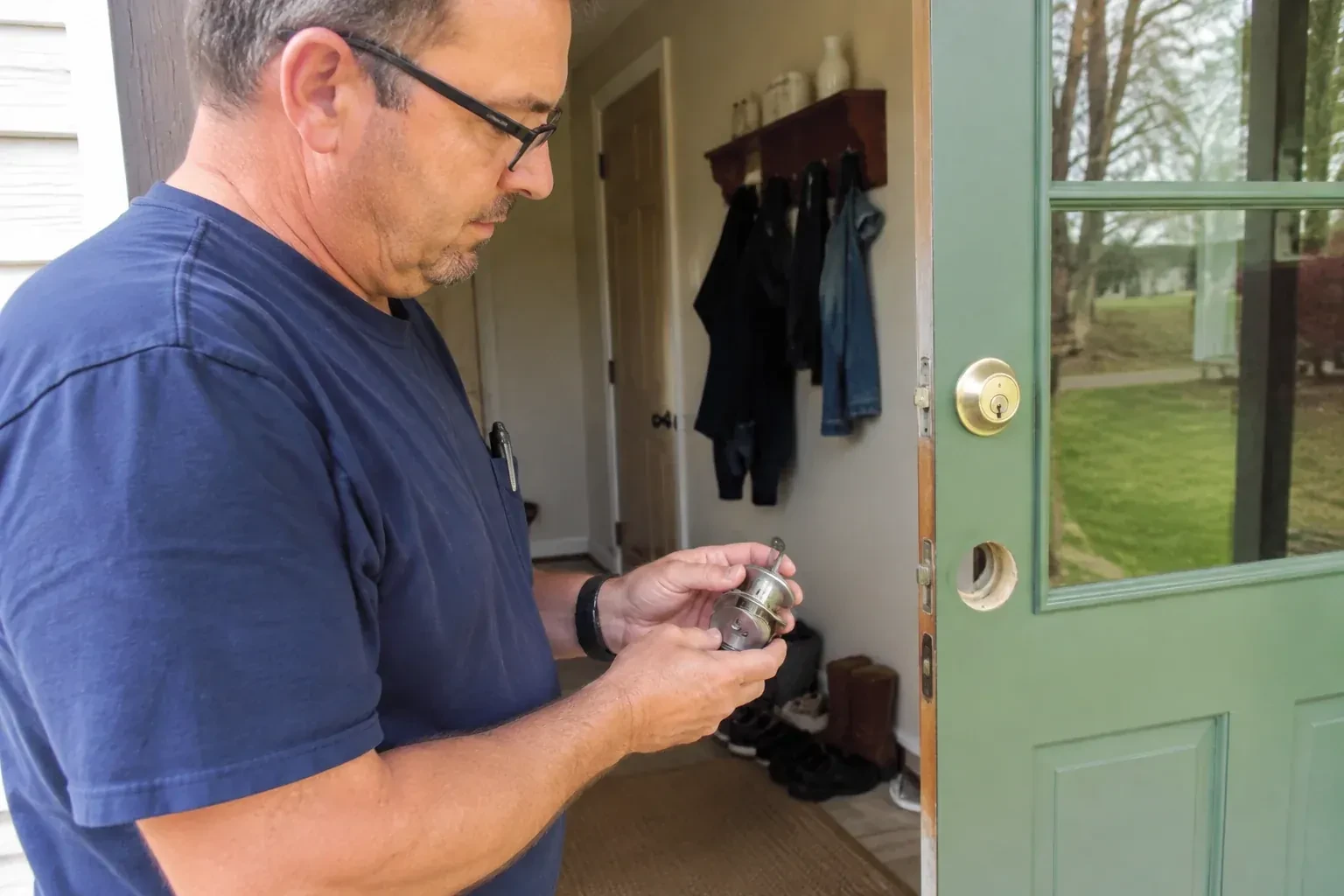
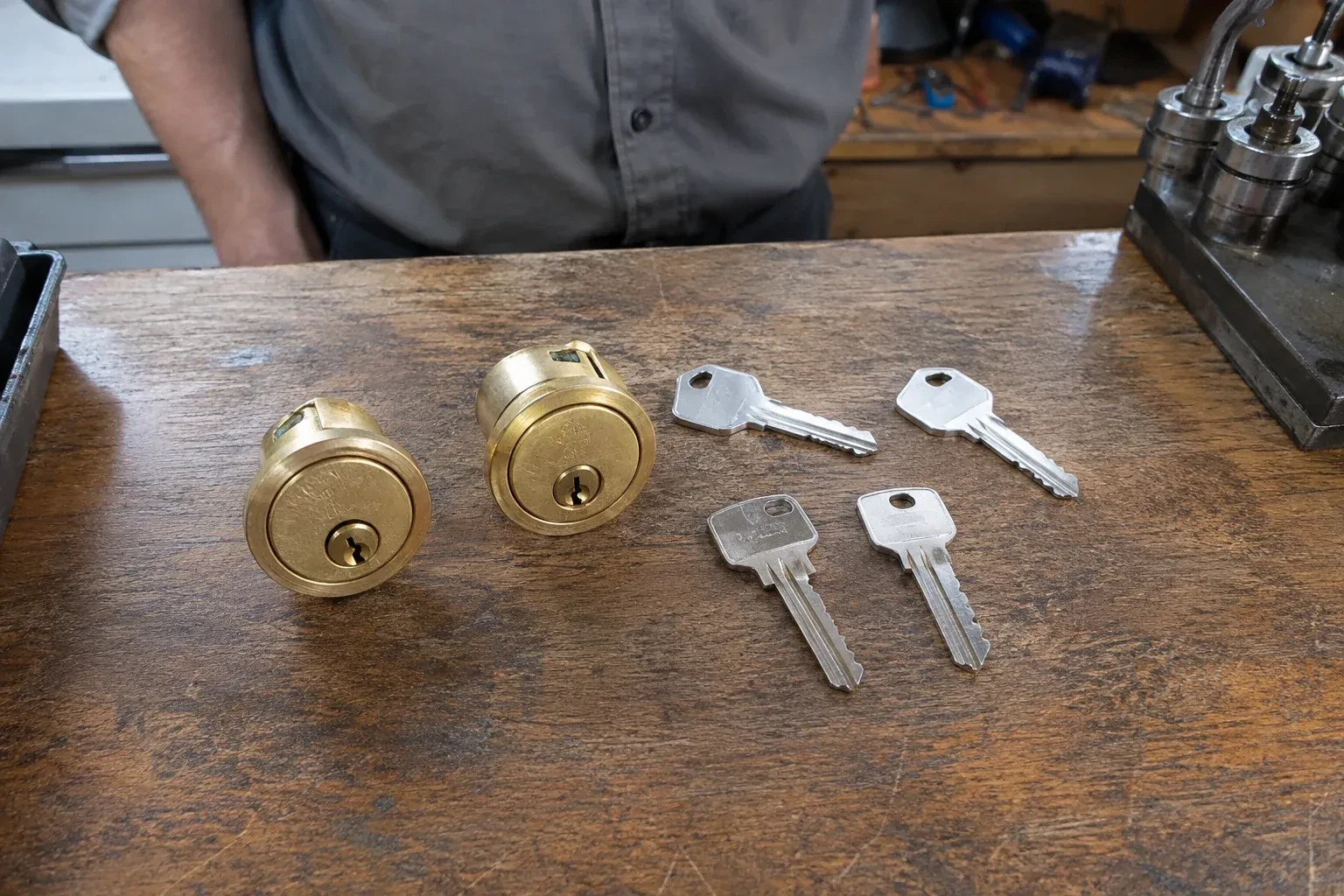
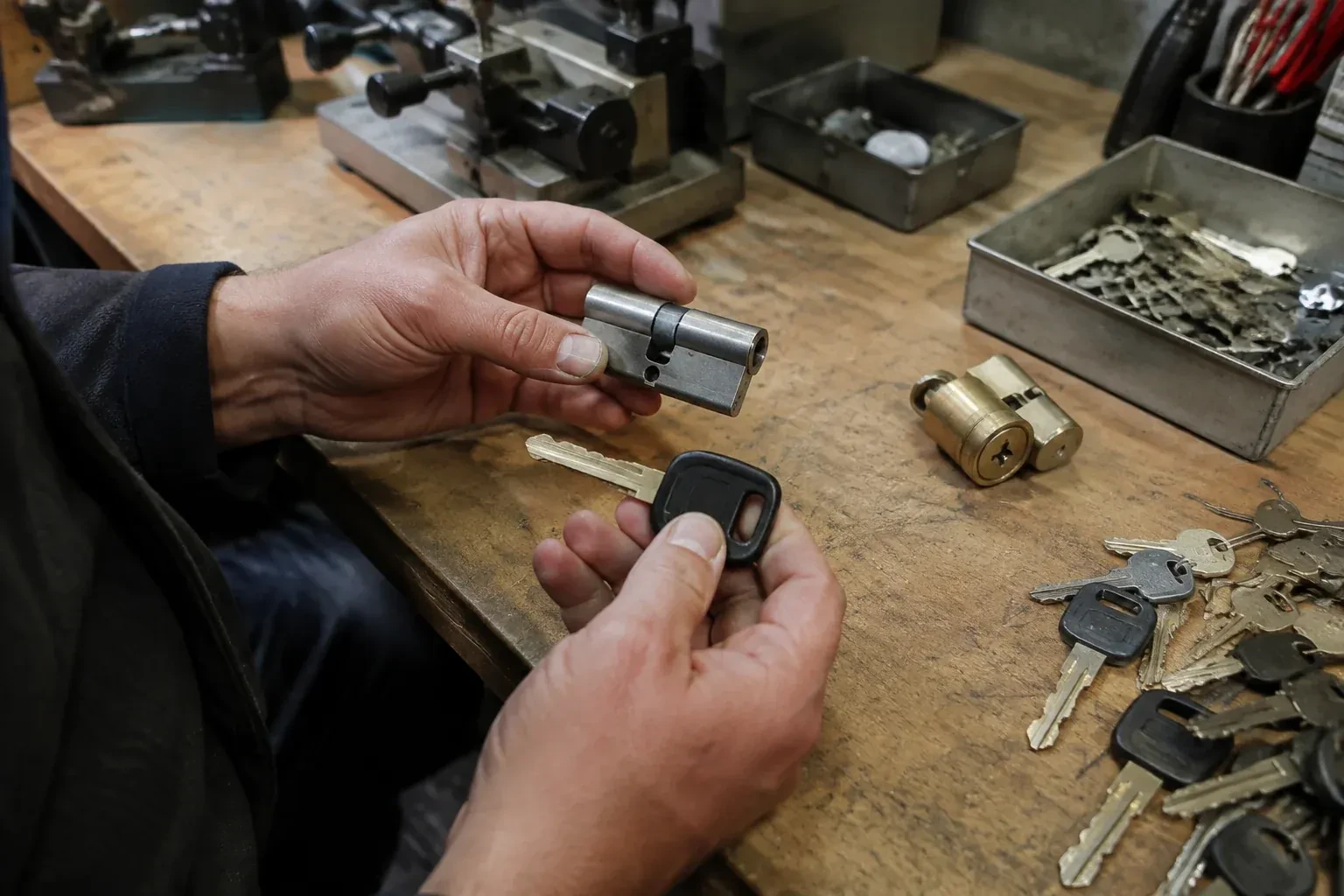
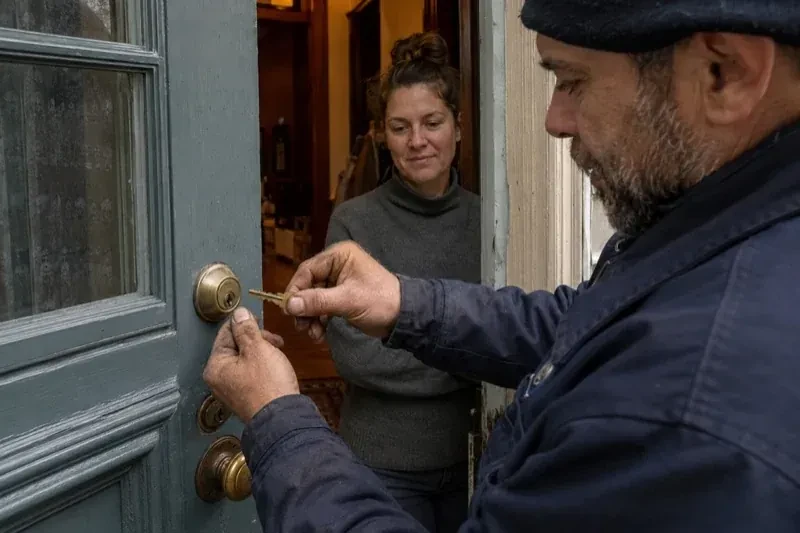
Moving into a home in Sherwood means somebody else's keys are still out there: a former owner, a tenant, a painter, a cousin who once watered the plants. Rekeying every exterior lock to one fresh key settles the question in a single visit, and the same job suits a rental turning over or a shop changing hands.
Moving into a home in Sherwood means somebody else's keys are still out there: a former owner, a tenant, a painter, a cousin who once watered the plants. Rekeying every exterior lock to one fresh key settles the question in a single visit, and the same job suits a rental turning over or a shop changing hands.
Every lock has a story. We listen first.
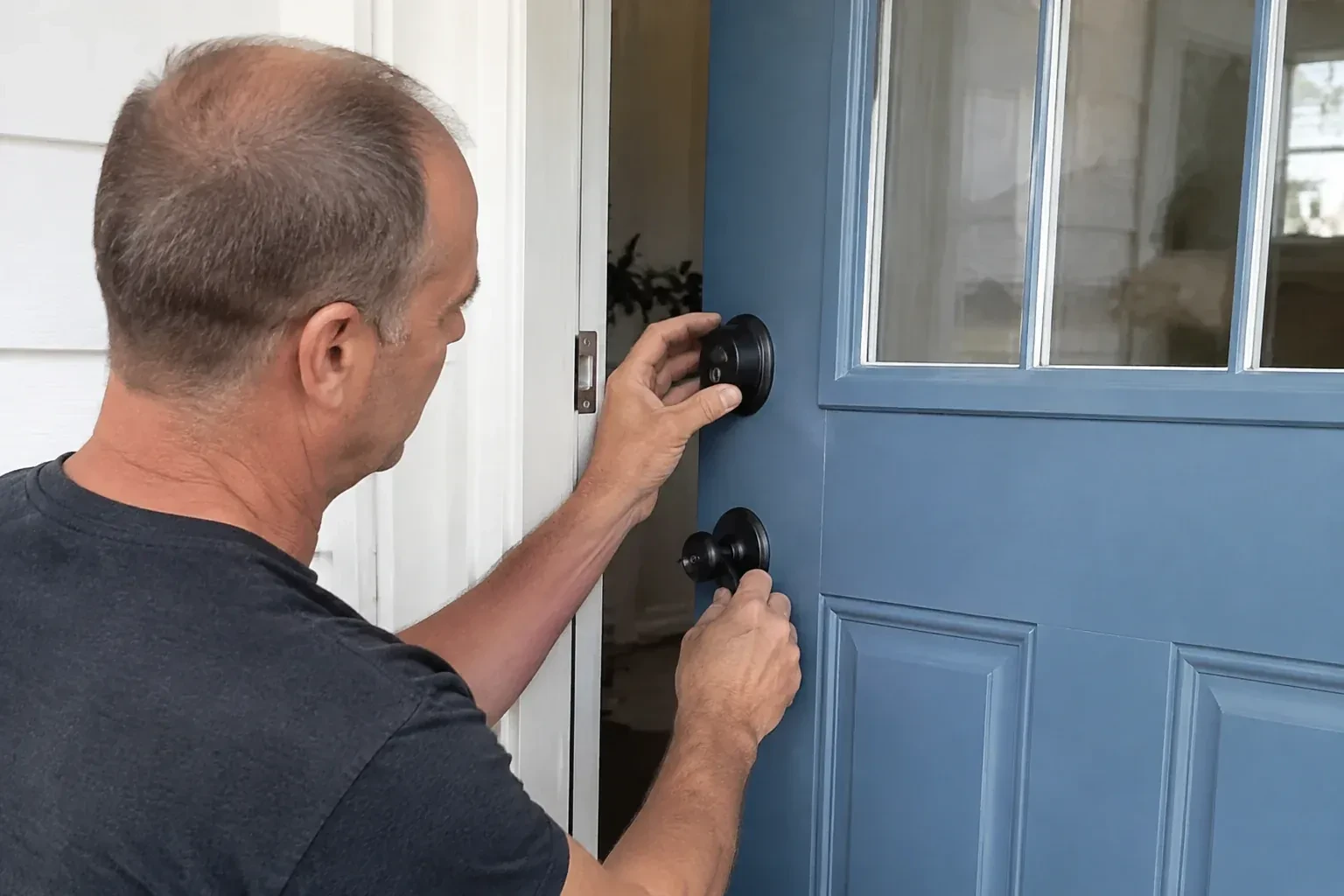
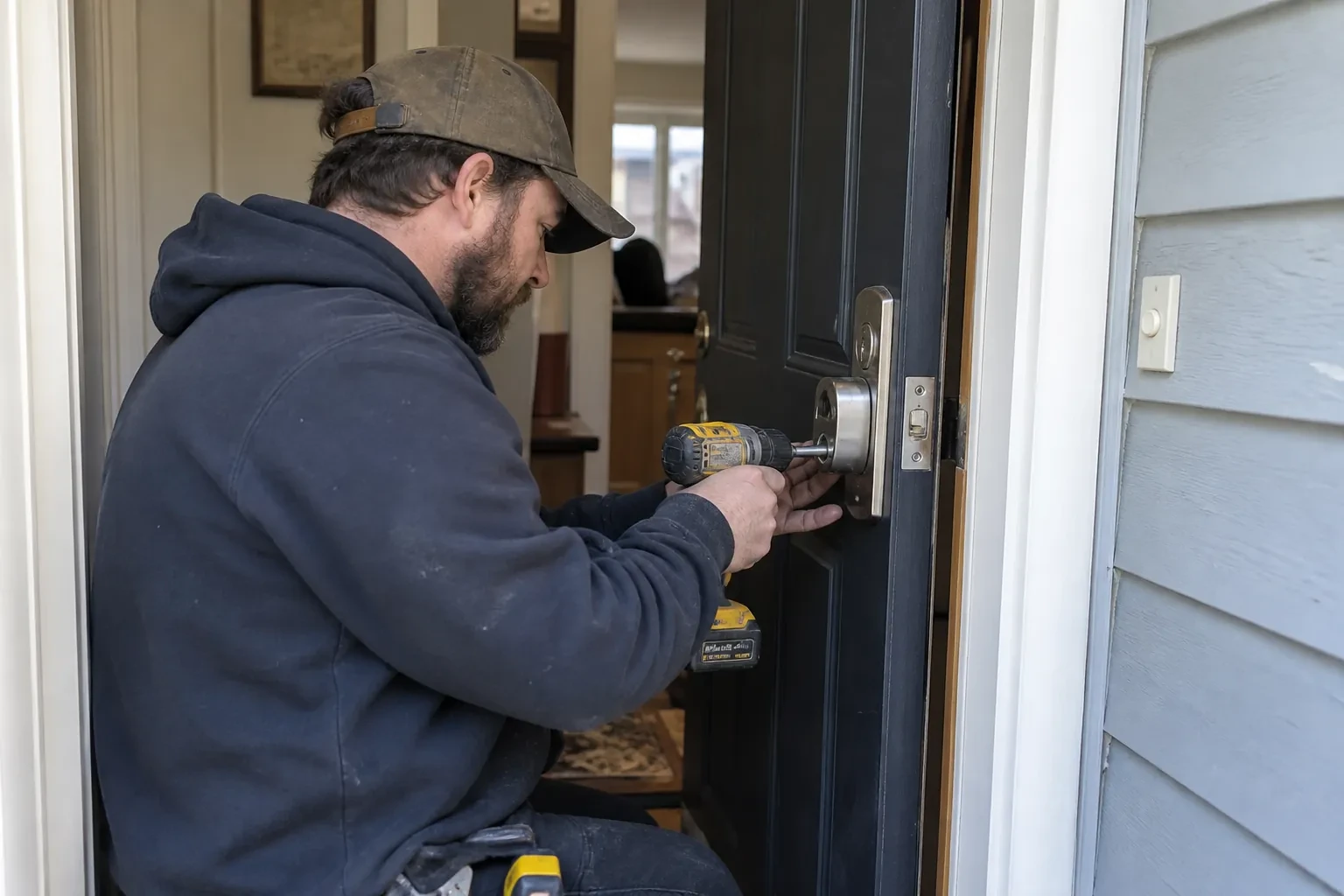
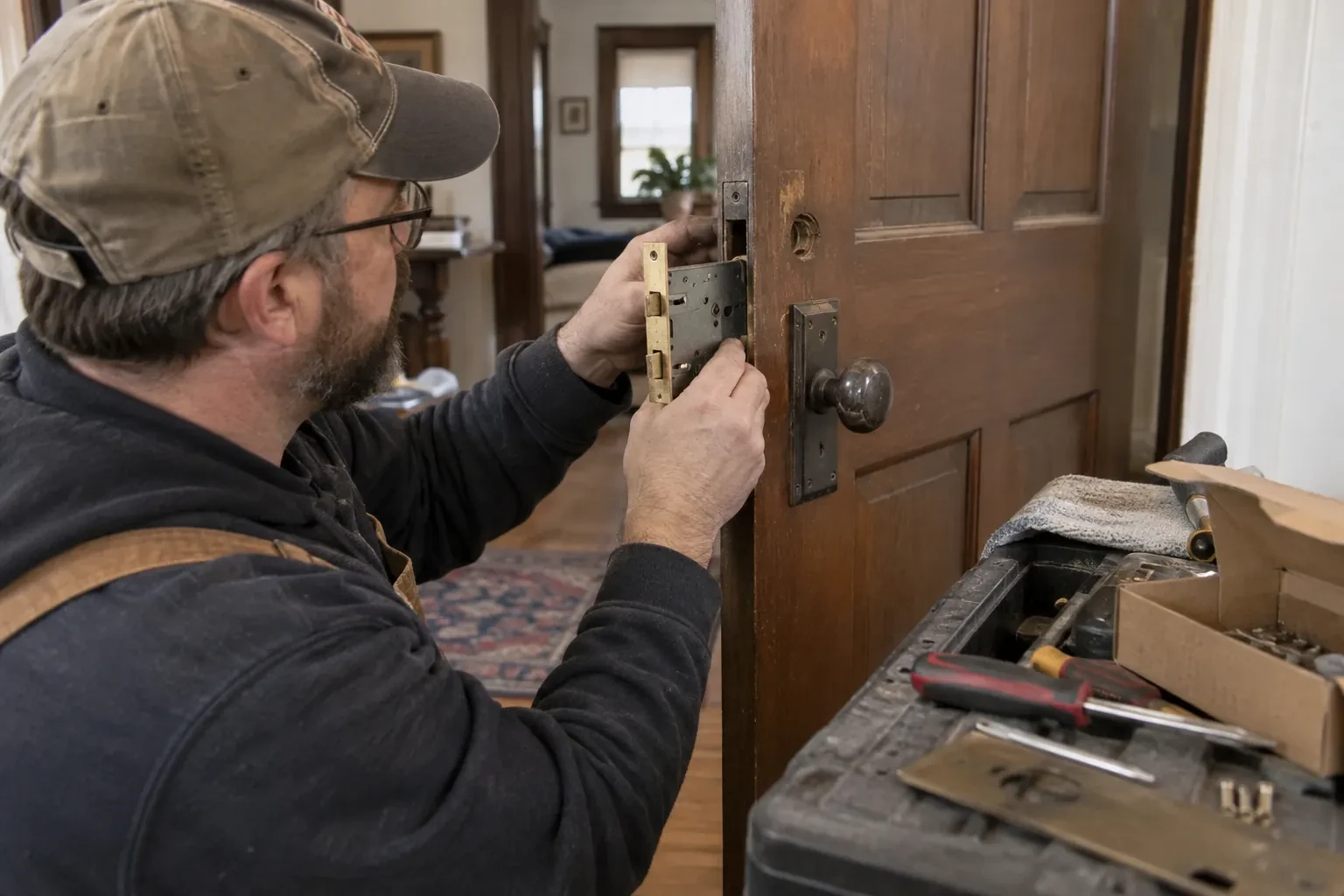
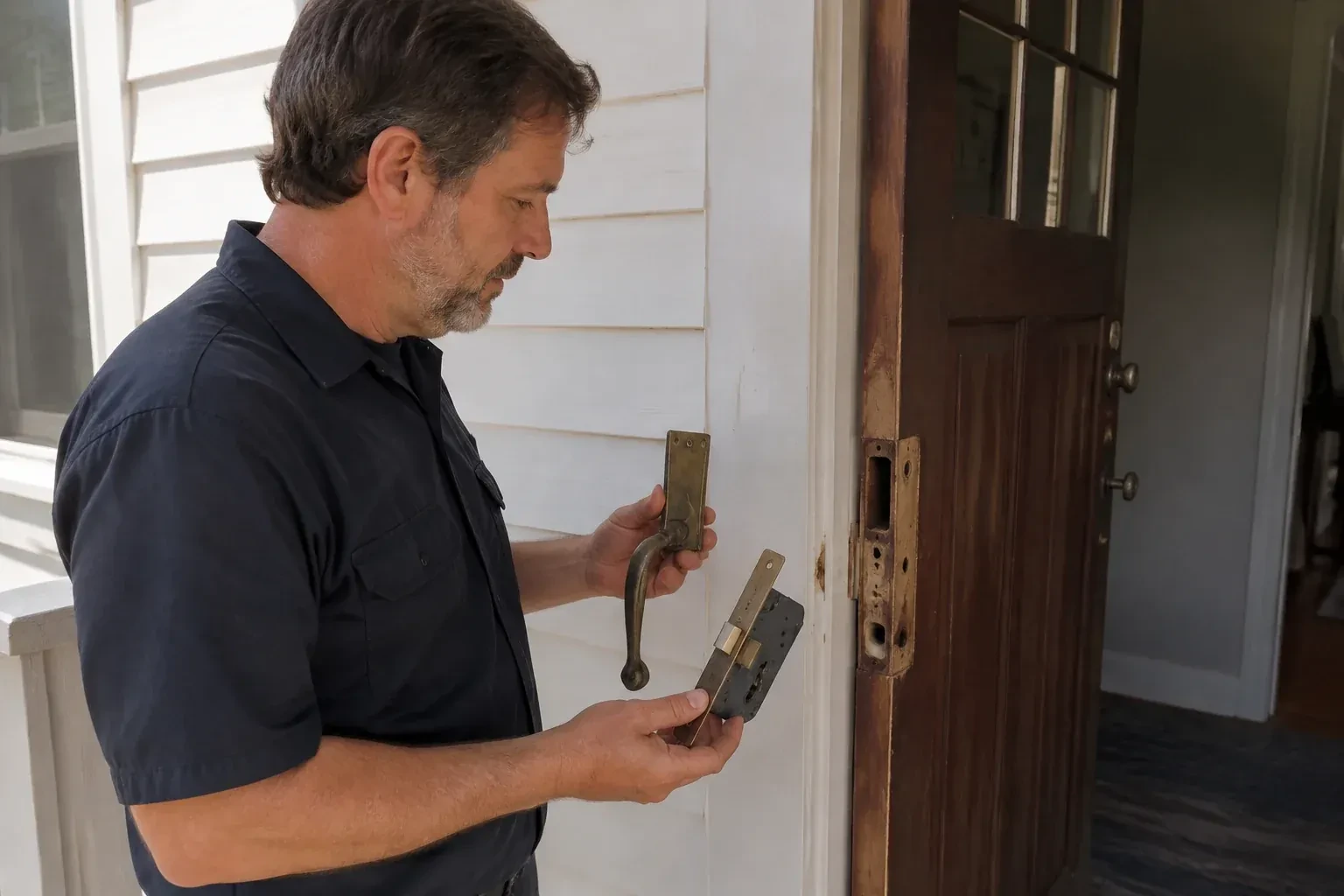
Older houses in Sherwood get a locksmith who respects them. We work around original trim, keep period hardware where it can be kept, and match finishes when something new is needed so the door still looks like it belongs to the house. Modern security can sit behind a hundred-year-old face; that is a matter of choosing parts carefully.
Business owners in Sherwood sometimes discover that nobody knows how many keys are out there. We help you start again: rekey the important doors, issue labelled keys, keep a record and consider a master system so managers carry one key while staff carry another. It is a sensible reset, done around your hours.
11years in business
24/7open every day
You set the pace. We explain, you decide, we work. If you would rather sleep on a bigger change, we do what is needed now and leave the rest for another visit.
The reasoning behind each suggestion. Every recommendation comes with the reason for it, in language that does not require you to know the trade. Ask why as often as you like.
Order restored. Tools packed, dust cleared, doors closed properly. We leave your home or business looking as it did, with the lock problem gone.
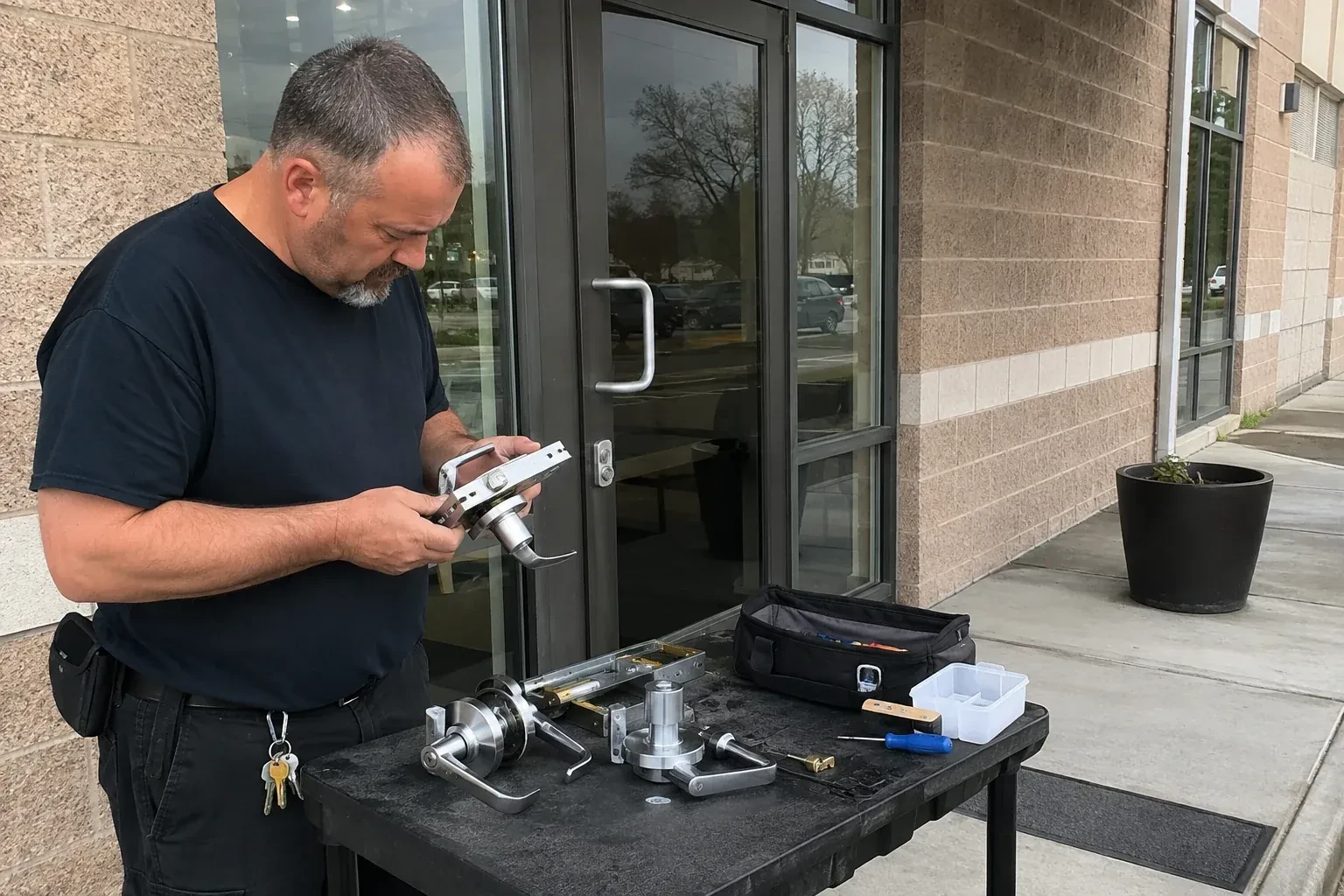
In Sherwood the work spans everything on a door that turns, latches or bolts. Homes: lockouts, rekeys, replacements, deadbolts, smart locks, heritage hardware. Businesses: storefront locks, exit devices, closers, master key systems, safes. Read the service that fits and see how a visit runs from start to finish.
About 8% of homes in Vaughan were built in 1980 or earlier, according to the 2021 Census.
Newer homes
Where housing is new, garage entries, side doors and the front door were usually fitted at the same time but not always to the same key. Keying them alike is a small job that makes the household's ring simpler from the start.
Single-detached houses make up about 63% of homes in Vaughan (2021 Census).
Mostly houses
Detached houses have their own garages, sheds and gates, and each tends to carry a lock chosen on the day it was needed. A locksmith visiting such a home looks at all of them, not just the front door, and brings the whole property up to one standard.
The manager who holds the only set of office keys is on a plane. The team is gathered in the corridor outside the suite, the landlord's office does not open for another hour, and the client meeting is at nine-thirty.
The lock works, but only if you lean on the door with your hip while turning the key. After a week of humid weather the bolt is jammed against the strike plate, and without that push the key stops halfway.
Your basement tenant has given notice, and a new one arrives on the first. The lock on the separate entrance works perfectly well. You simply want a fresh key for the incoming tenant and for the old one to be retired.
The front door has a handsome lever and a keyed knob, and that is all. Nothing above it. When the door is shut, the only thing keeping it closed is a spring latch the width of a thumbnail, and you have started to notice.
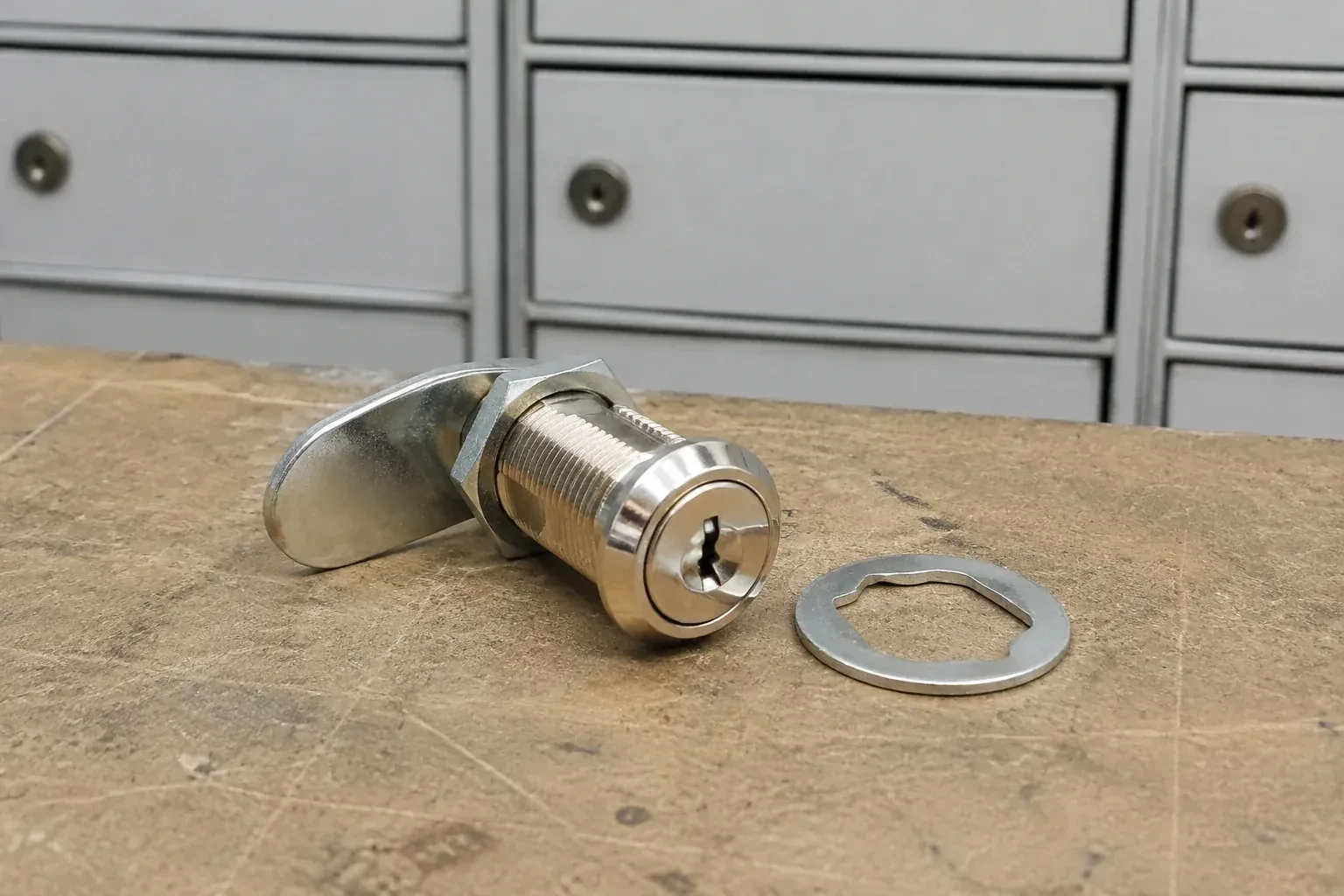
The mail slot on the shop's exterior wall has a small compartment lock that a former employee still has a key to, months after they left. Nobody on staff can say with any confidence who else might hold a copy.
The office has been reshuffled twice since the locks were last touched. Reception can open the server room, the warehouse crew has a key to accounting, and the chart that once explained who could open what has not been seen since the move.
After the fit-out, the gym floor now holds more people than the old office space ever did, and the exit door at the back still has the same turn-lock it had when the room held desks.
One key opens the car, starts the car, and rides in one pocket every day. Nothing backs it up. A dropped storm drain, a torn pocket or a moment of distraction would leave the household without a way to drive anywhere tonight.
The remote fob has gone silent, the doors won't unlock with a button press, and the little emergency blade tucked inside it has not been used since the day the car was bought. Nobody remembers exactly where the metal edge is supposed to go once it's out.
Following a break-in, the instinct is to buy the biggest lock. The better response is to look at how entry was made and strengthen that path first, then consider a cylinder and key system that stops it happening by key rather than by force.
The house is fifteen years old and every exterior door still wears the light hardware the builder fitted: a short bolt, a thin strike held by two small screws, and a knob lock that never suited a street entrance.
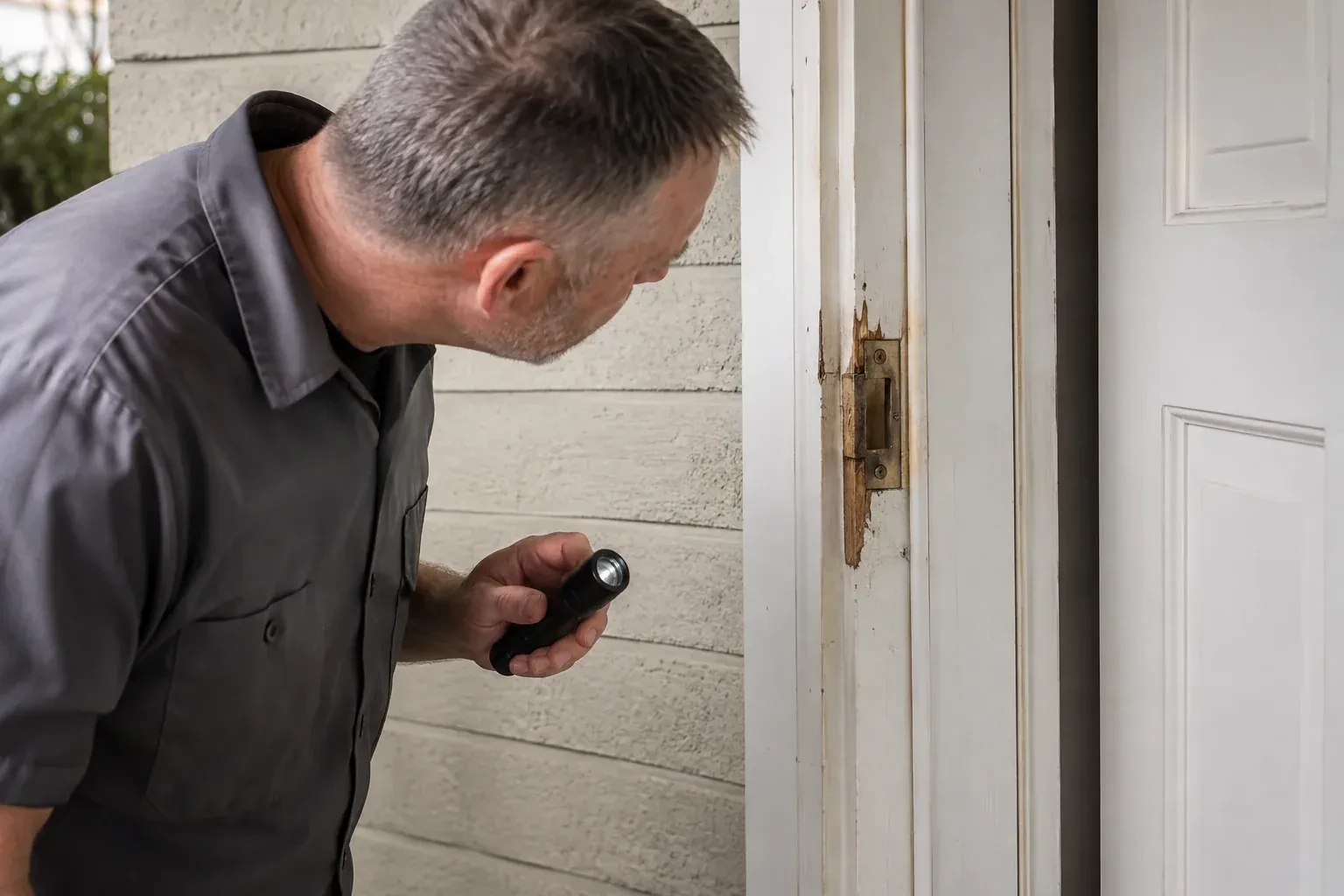
Police have come and gone, the occurrence number is on a sticky note, and you are standing in a cold hallway looking at a splintered frame, wondering how the house gets locked before everyone tries to sleep.
Whether you run a single shop or manage several units, this section covers the locks, keys and access hardware that keep a business running. Each page explains the work in plain terms and what to think about before choosing an option.
WhySteel-clad and fibreglass doors, the common insulated entry doors in newer subdivisions, take a deadbolt happily as long as they are cut for it properly.
The mail slot on the shop's exterior wall has a small compartment lock that a former employee still has a key to, months after they left.
WhyMoving into a new place is a common moment for this service, since a mailbox compartment rarely comes with a documented history of who was handed a key.
The office has been reshuffled twice since the locks were last touched.
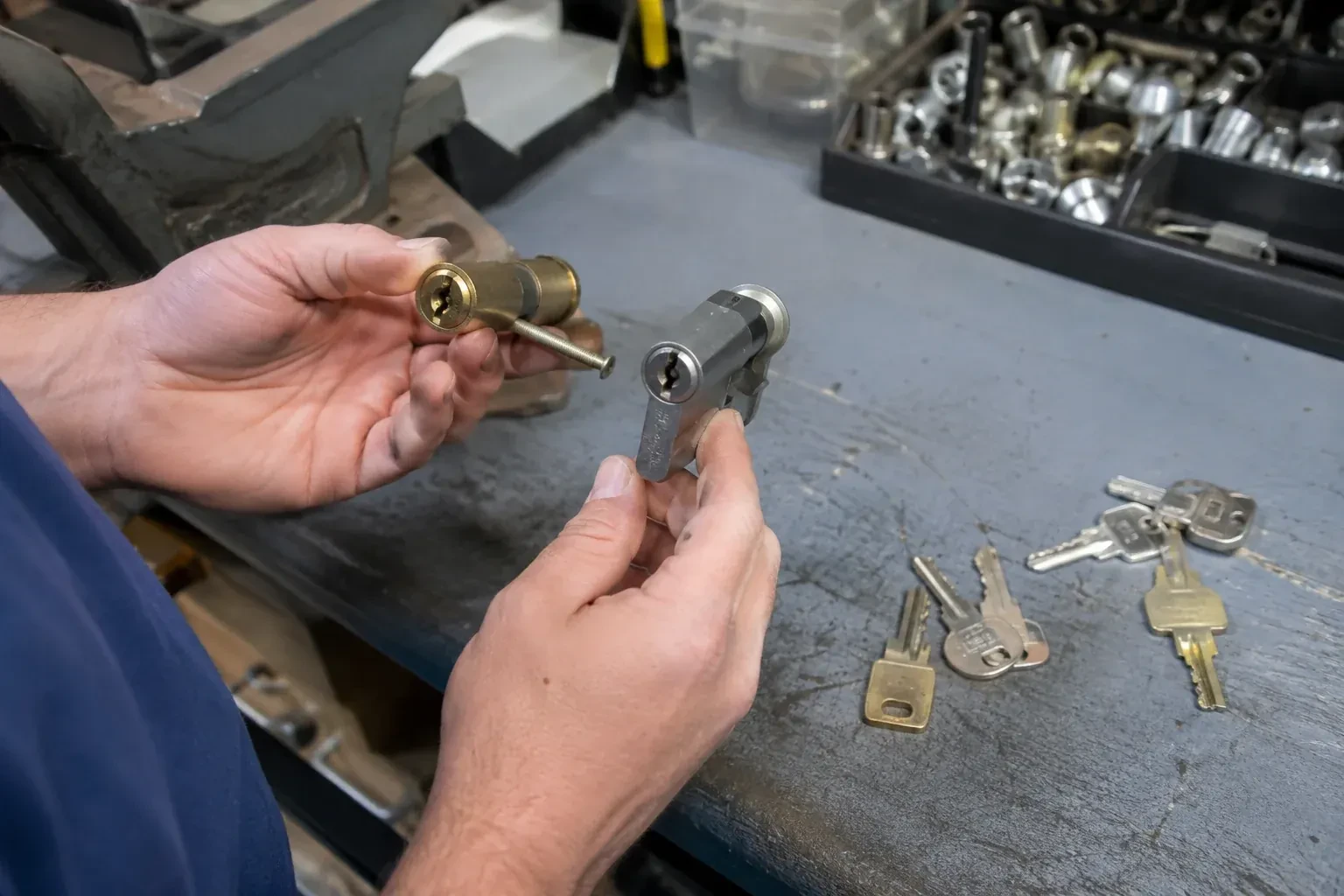
WhyCommercial rekeying changes the pins inside a business's existing lock cylinders so that a new key operates them and every earlier key stops working, while the hardware itself stays on the door.
After the fit-out, the gym floor now holds more people than the old office space ever did, and the exit door at the back still has the same turn-lock it had when the room held desks.
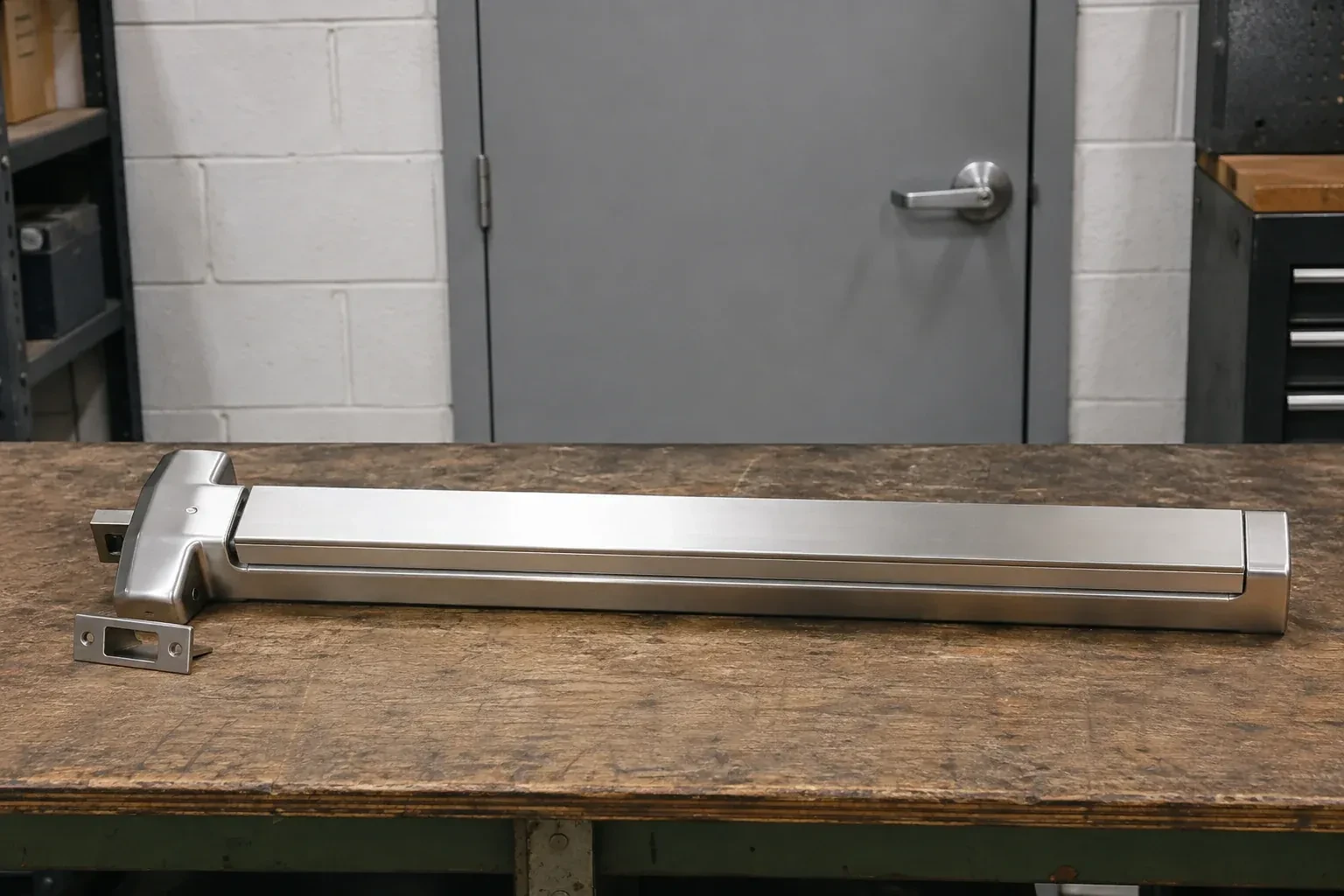
WhyPanic and exit hardware installation fits a commercial door with a device that releases the latch the moment someone pushes on it from the inside, so the room's occupants are never asked to find a key to leave.
One key opens the car, starts the car, and rides in one pocket every day.
WhyHouseholds with more than one driver and one car key end up trading it back and forth, which works until two people need the vehicle at once.
The remote fob has gone silent, the doors won't unlock with a button press, and the little emergency blade tucked inside it has not been used since the day the car was bought.
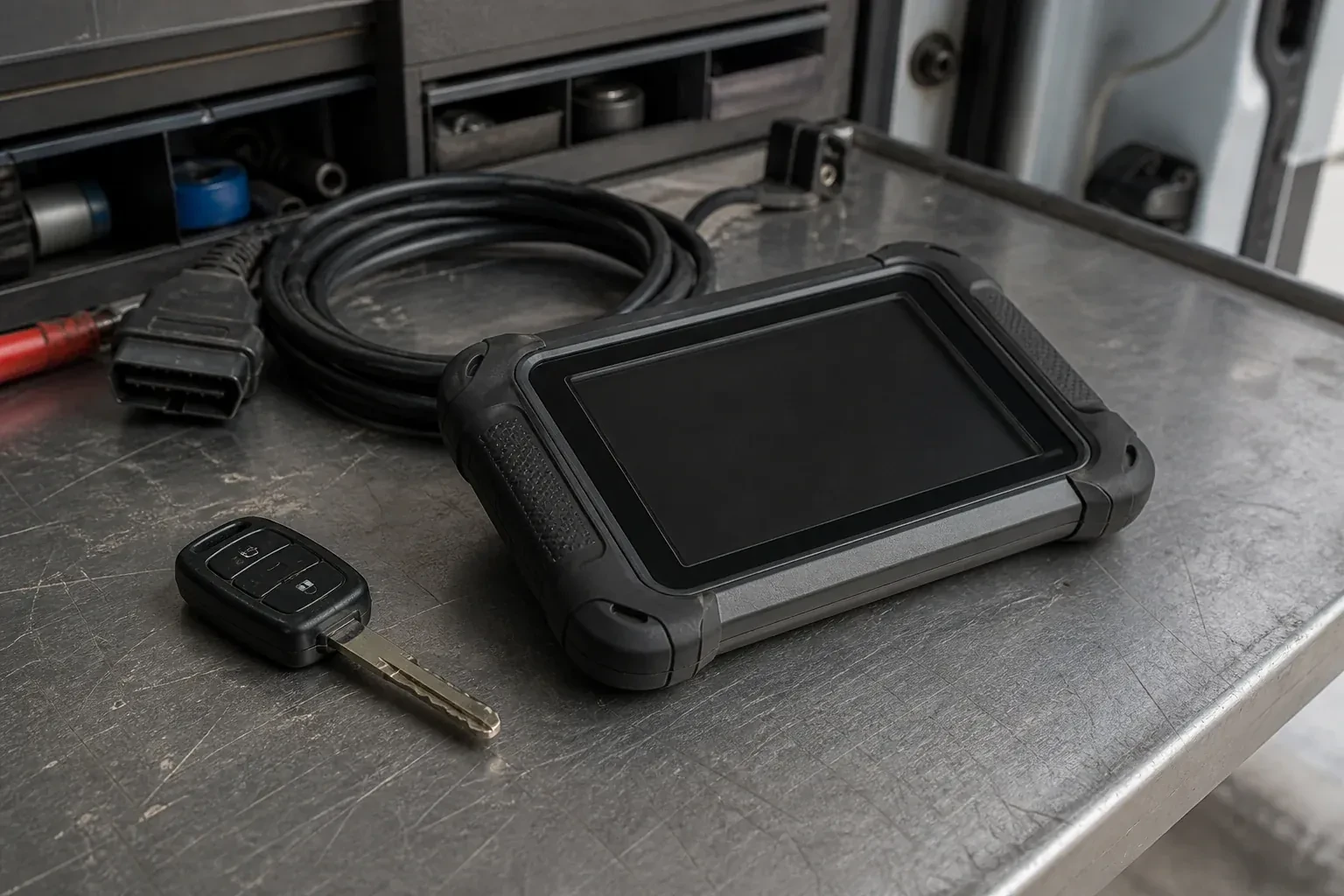
WhyTransponder key programming is the step that teaches a vehicle's immobilizer to recognize a key's chip so the engine agrees to start, separate from cutting the metal blade that opens the door.
How a visit goes
Describe the property, the hardware and what has changed, and the visit starts from what you have seen.
1
2
3
01
Confirming it is your door
Before touching the lock we ask for identification or another way to show you live or work there. It protects you as much as anyone.
02
The gentlest opening that works
Most doors can be picked or bypassed with no damage. We start there and only move to a firmer method if the lock leaves no other choice, explaining as we go.
03
A working lock before we go
Once you are inside we check the lock still turns properly and that you have a key that works. If the lock was the reason you were stuck, we say so.
The address and unit number, which door you are outside, what the lock looks like, and where the keys are: with someone, lost, broken or simply refusing. Say whether there is an alarm or a card reader on the door, who can disarm or confirm your authority, and whether the building has a property manager. If you can send a photo of the lock and the door edge, the right cylinders and cores come on the first trip.
Why is it always the shaded side of the building that seizes?
The face of a building that never sees direct sun stays colder and damper, so ice in a keyway lasts days longer there and condensation sits in the cylinder rather than drying off. Wind-driven rain and snow tend to hit the same face. Those doors deserve a keyhole cover, a storm door where one fits, and a lubricant check before the season turns, and they are often the first lock a locksmith asks about.
How often should locks be rekeyed?
There is no calendar for it. What matters is who holds a key, not how many years have passed. Think about it when occupancy changes hands, when someone who had a key no longer needs one, or when a ring goes missing along with something that shows where you live. Between those moments a well-kept cylinder may need no scheduled care, and when it does, use whatever that cylinder's maker specifies. With the doors already on one recorded system, any repeat is a short piece of work.
What is the difference between a deadbolt and the lock in my door knob?
The knob or lever holds the door shut with a spring latch: a bevelled tongue that snaps into the frame and can be pushed back by anything slid into the gap. A deadbolt is a solid rectangular bar driven by the key or thumb-turn alone, and when fully thrown it locks in place so it cannot be pressed back from the edge. The knob keeps the door closed; the deadbolt keeps it locked.
Do I need to prove the mailbox is mine before you change the lock?
Yes, and it takes only a moment. For a house or a standalone box, an address match usually settles it. For one compartment in a shared building panel, a lease, a deed, a unit number matching the building's own records, or confirmation from the property manager does the job. This step protects every household on the same panel, including whoever calls next.
What is a keying chart and why does it matter afterwards?
A keying chart is a plain list of every opening, the key group that operates it, the code stamped on those keys and the number issued. Months later it lets you answer exactly which doors a missing key opened, and it lets a locksmith add a new door to the system without changing anything else. Keep it with the key register, somewhere locked, with a copy off site.
Can I still lock the door from outside?
Yes. The releasing device only governs the inside of the door; the outside gets its own trim, a pull, a lever with a cylinder, or a keyed cylinder alone, chosen for how that door is entered. Locking or unlocking that outside trim has no effect on the inside crossbar, which always releases the latch under a push, so entry security and exit function are handled as two separate questions.
Why does the VIN matter for making a spare key?
The VIN identifies the exact immobilizer generation and lock system your particular vehicle left the factory with, which decides whether the chip can be copied directly or needs to be freshly coded through the diagnostic port, and which blank and blade profile are correct. Two cars that look identical from the outside can use different systems a model year apart, so the VIN removes the guesswork.
How do I know if this is a key problem rather than something else?
The clearest sign is the engine cranking normally, meaning the starter motor turns it over, but never catching, often alongside a flashing security light. A fuel or mechanical fault usually behaves differently, such as cranking slowly or making unusual noise. Describing exactly what happens when the key is turned helps the locksmith tell the two apart before arriving.
Request a visit
Older houses in Sherwood get a locksmith who respects them. We work around original trim, keep period hardware where it can be kept, and match finishes when something new is needed so the door still looks like it belongs to the house. Modern security can sit behind a hundred-year-old face; that is a matter of choosing parts carefully.