High security
High Security Locks
Following a break-in, the instinct is to buy the biggest lock. The better response is to look at how entry was made and strengthen that path first, then consider a cylinder and key system that stops it happening by key rather than by force.
Which one do I need?
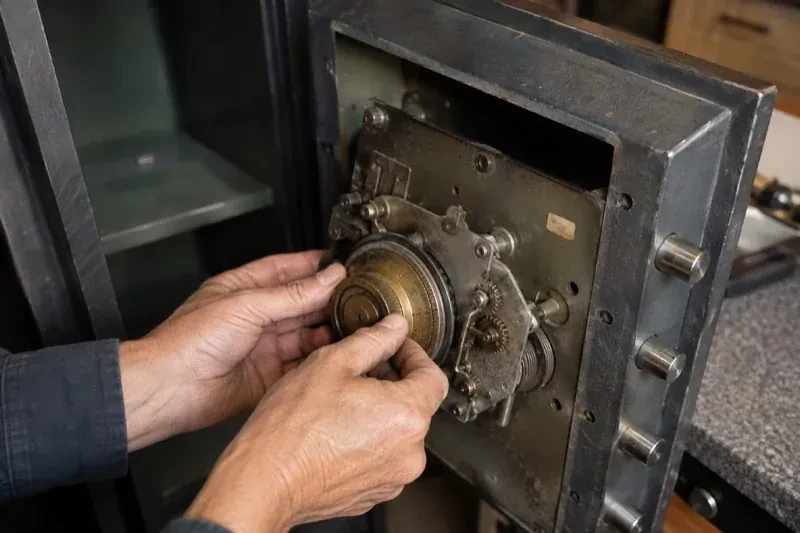
- Decades of daily use have left the law firm's old dial safe drifting: the numbers line up close to where they should, never quite enough to drop the bolt.Safe Opening & Combination Change
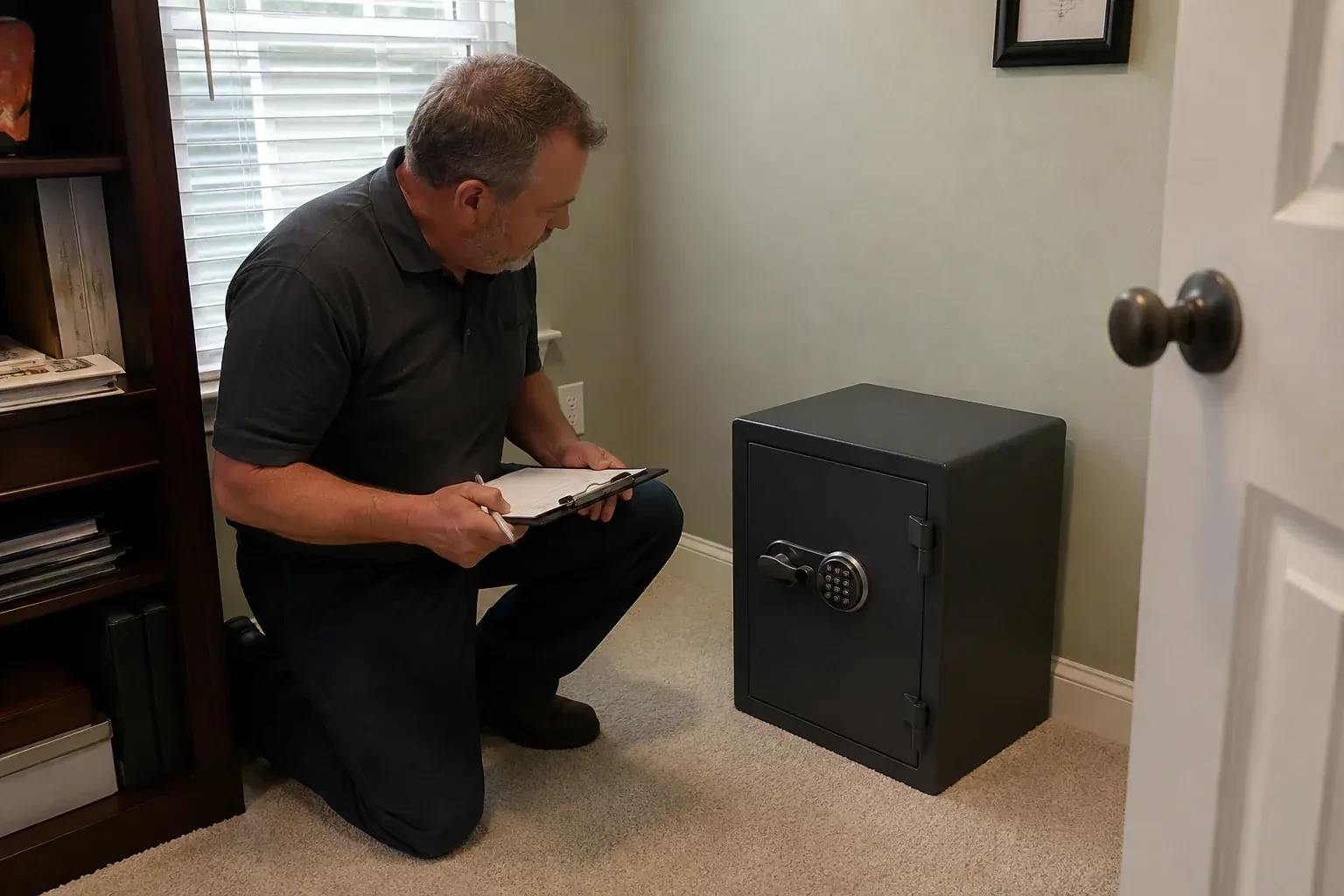
- A community group counts the weekend's raffle and bake-sale cash on a kitchen table, then carries it home in a tote bag until the bank opens Monday, because there has never been anywhere safer to leave it.Safe Installation & Servicing
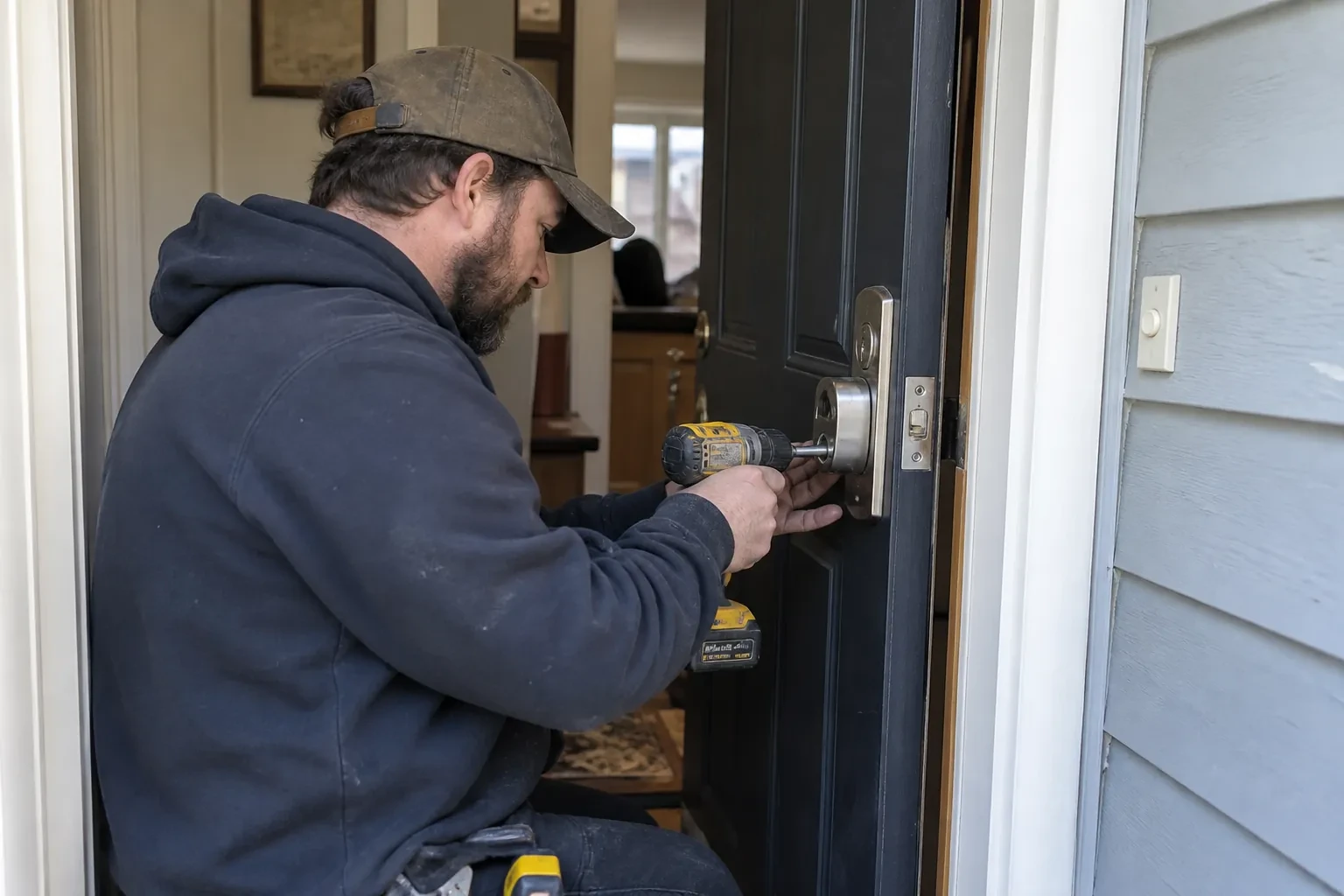
- A colleague showed you a video of a lock being opened with a bump key in a few seconds.High Security Locks
High Security Locks
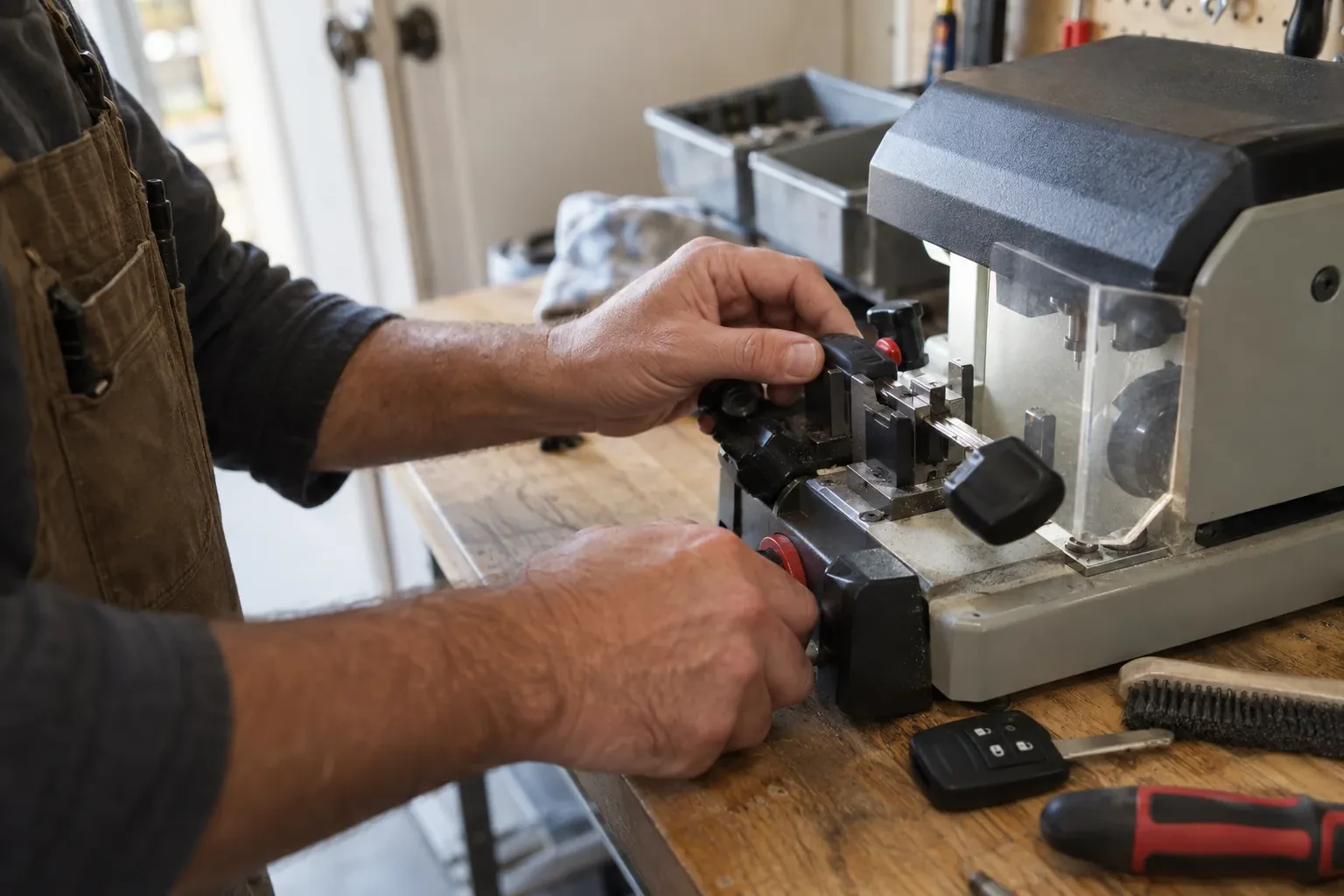
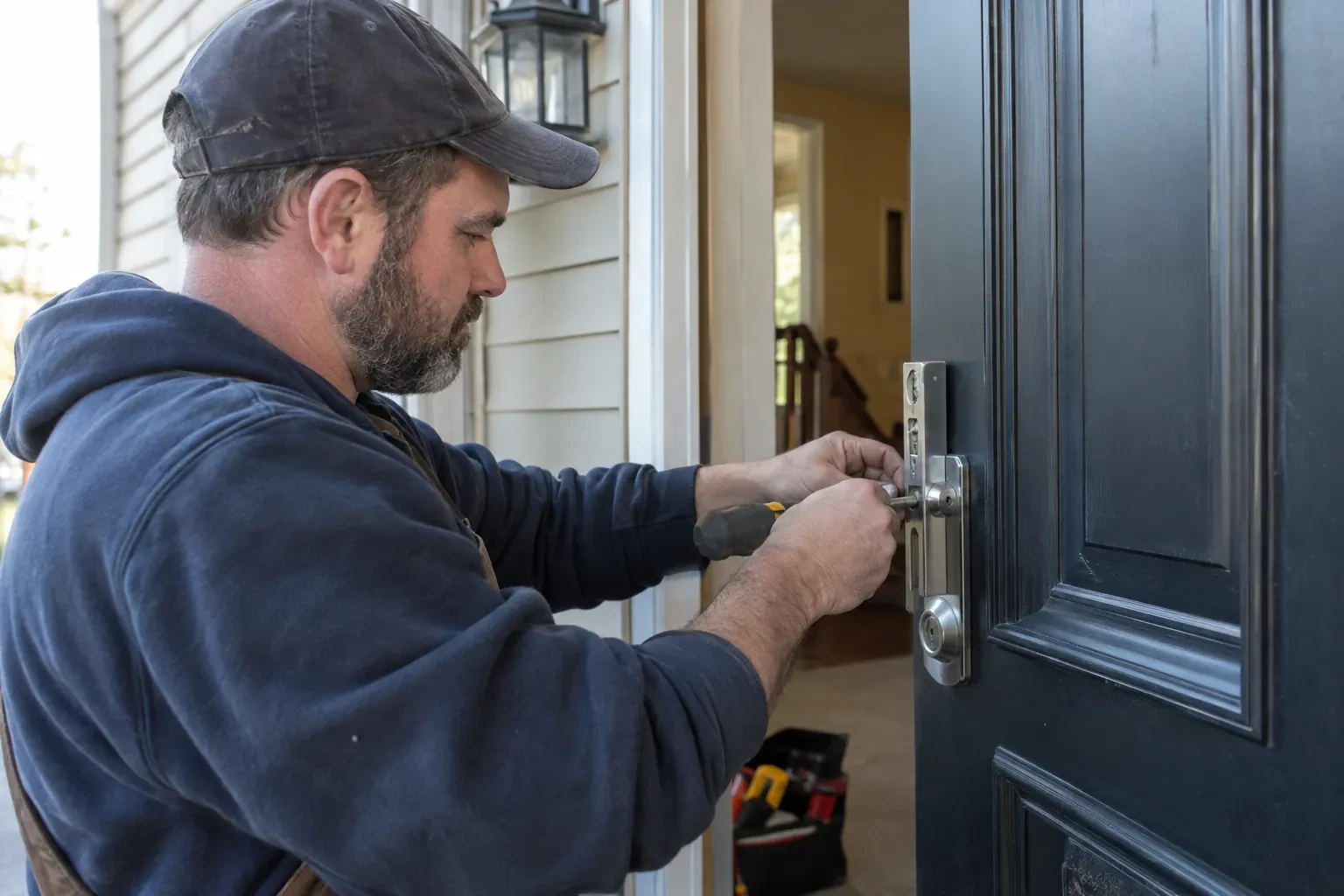
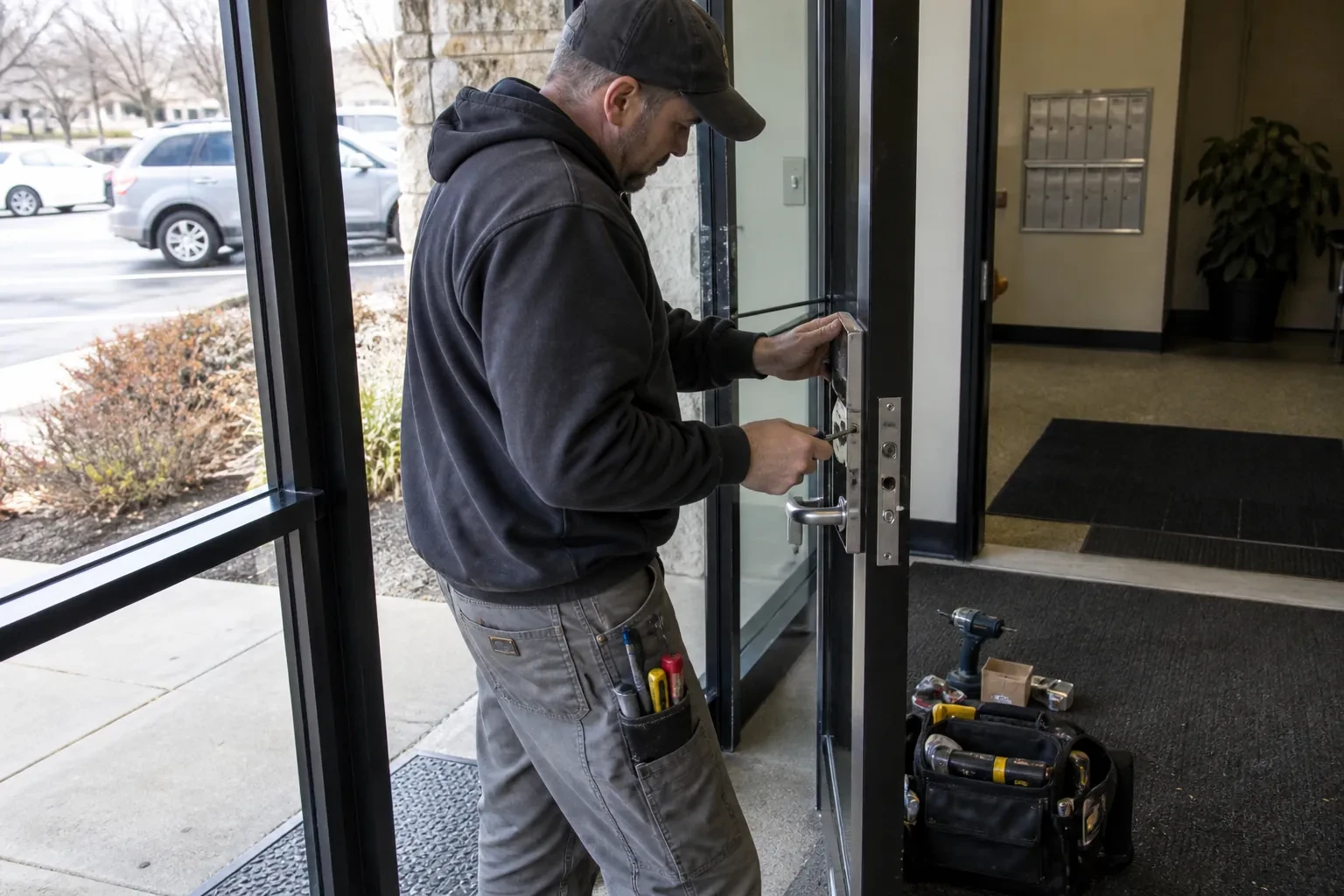
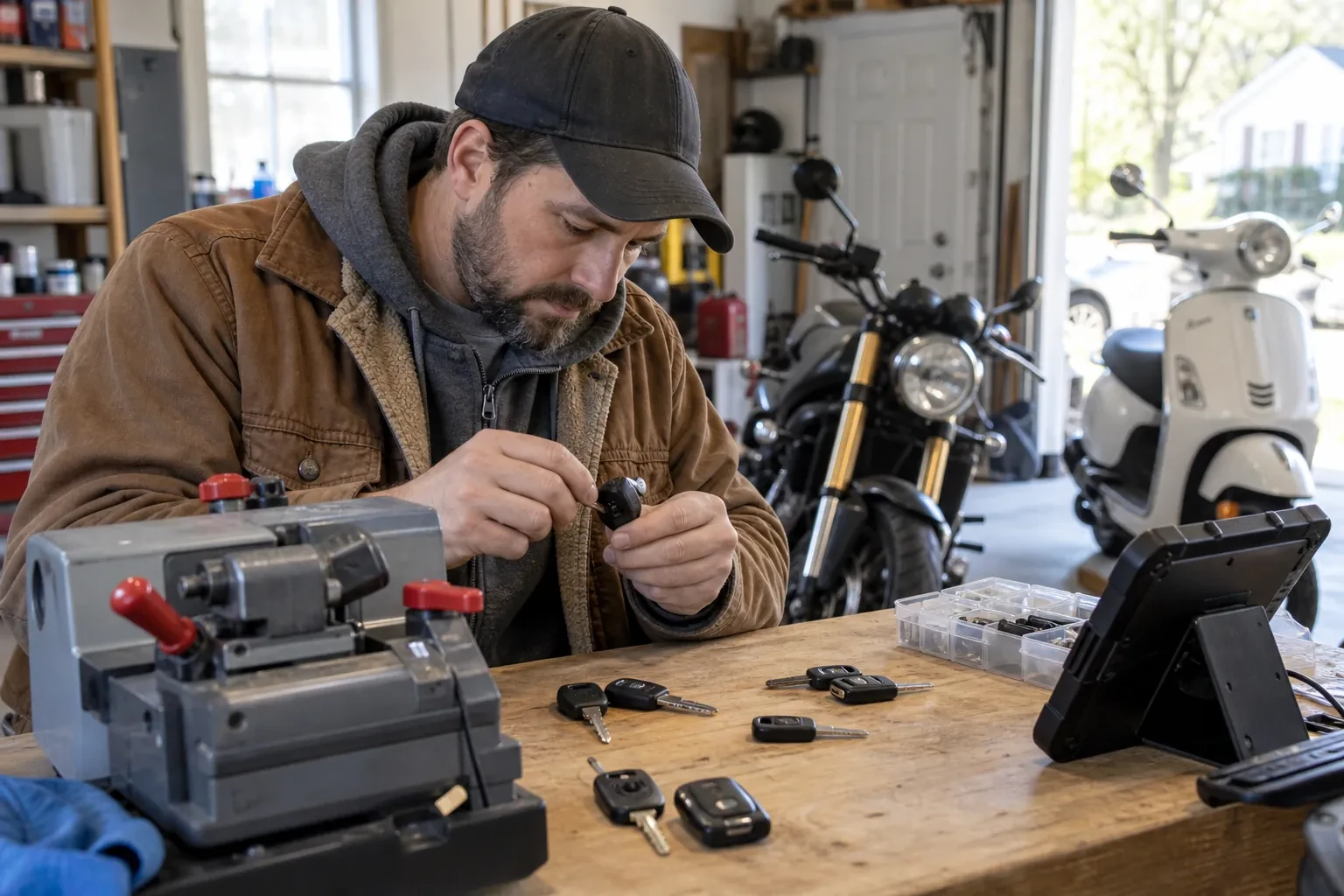
Cylinders and deadbolts built to resist picking, bumping and drilling, keys that cannot be copied without authorisation, and safes opened or installed.
Safe Opening & Combination Change
Reading the safe before touching it
Every safe carries clues about what is inside its lock. A manufacturer's data plate, usually on the door or inside the frame, often names the brand, model and sometimes the lock's own security rating. The dial style, the keypad's shape and buttons, and whether a key cylinder sits alongside the combination lock all narrow down the lock family before a single tool is used.
Older safes without a legible plate are identified from the case shape, the handle style and the dial ring instead. Getting this identification right decides which manipulation technique, which reset procedure or which manufacturer tool applies, and it is the difference between a clean opening and a guess.