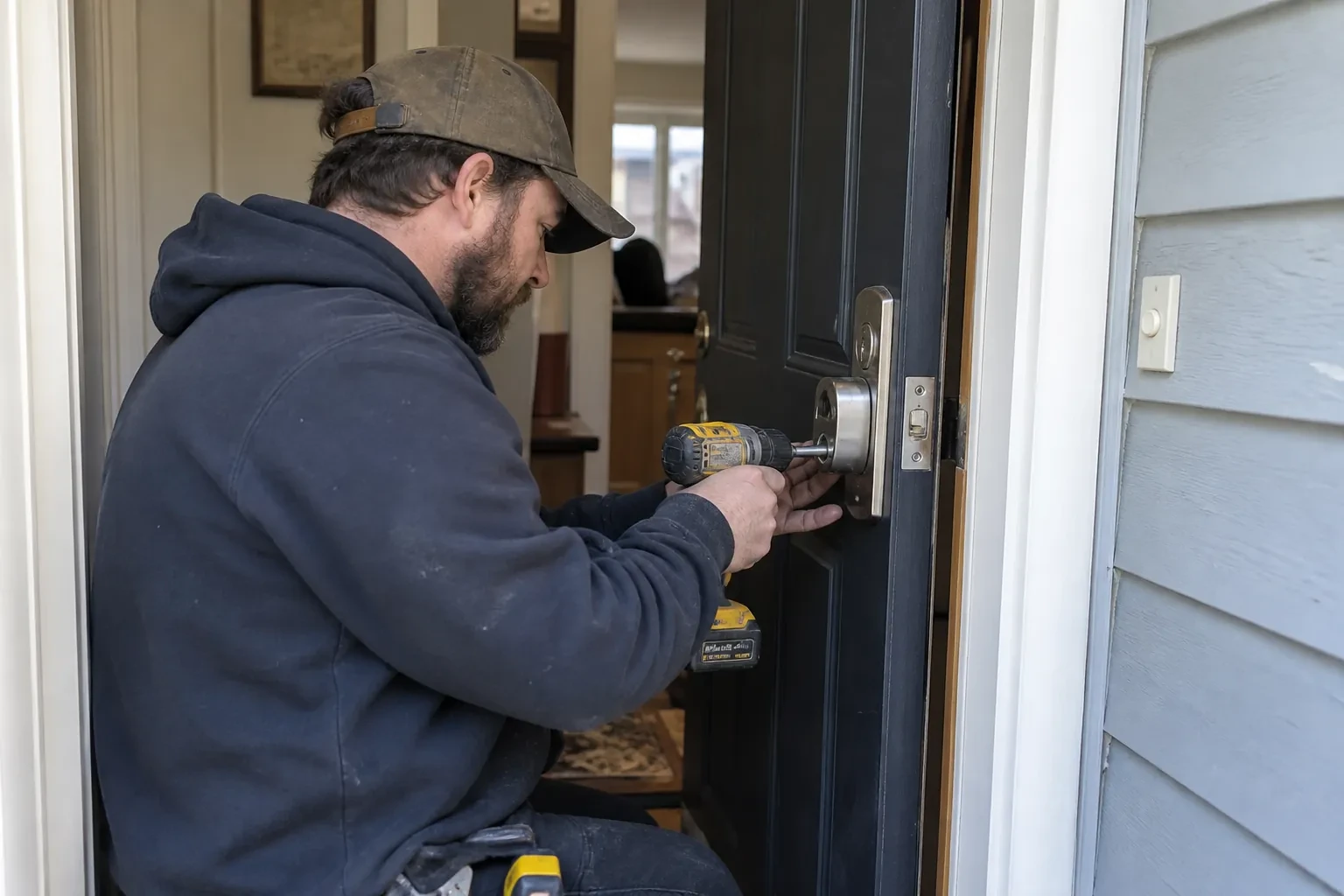
Change or rekey
Change or Rekey Locks
Deadbolts, cylinders, strikes and keys are the four things we look at on every home visit, in that order. A weakness in any one undoes the others. The residential pages describe each and what a sound version looks like on your door.
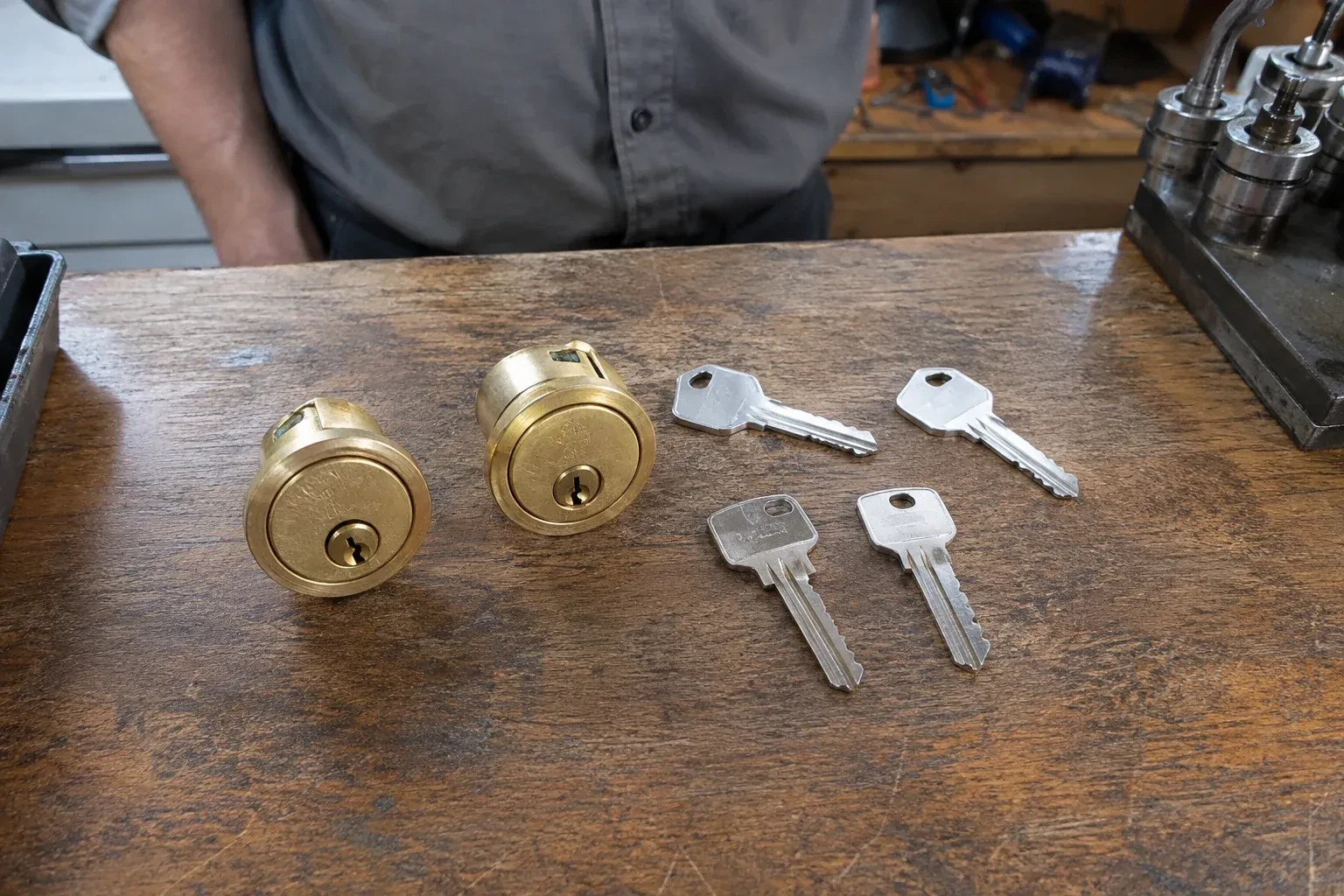
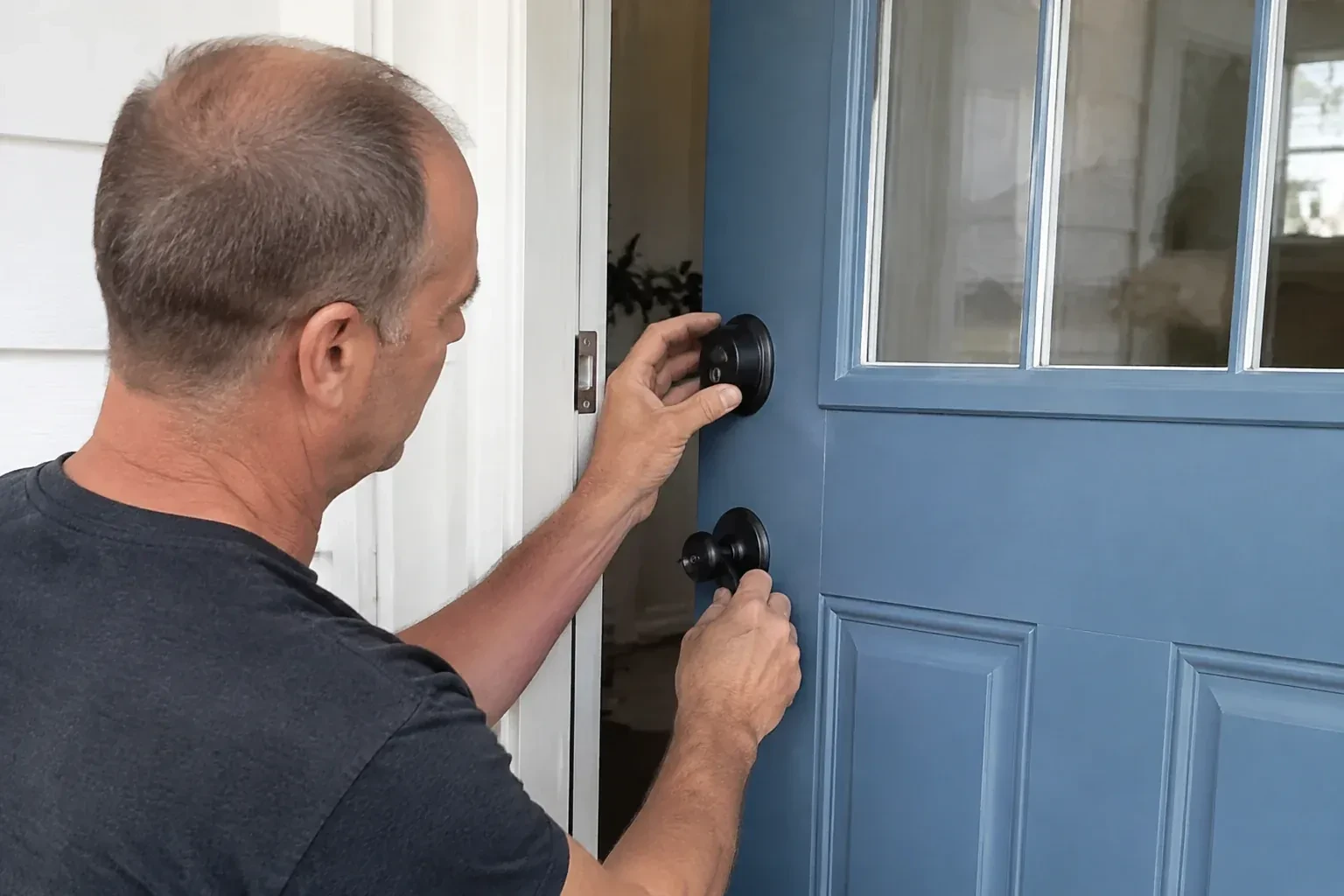
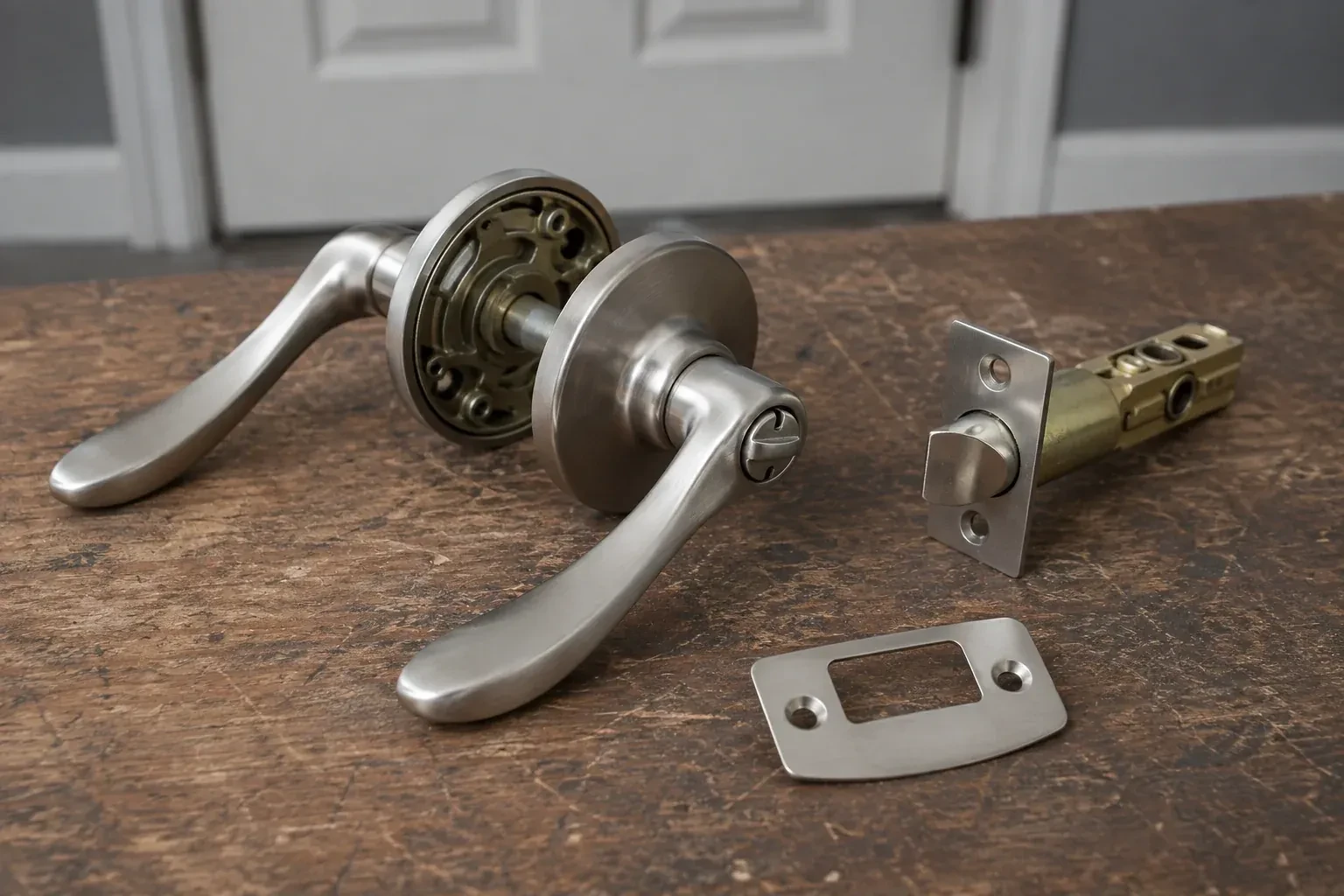
Which one do I need?
- Three months of renovation are finally done.Lock Rekeying
- The bolt on the front door is keyed on both sides.Deadbolt Installation
- The house is fifteen years old and every exterior door still wears the light hardware the builder fitted: a short bolt, a thin strike held by two small screws, and a knob lock that never suited a street entrance.Lock Replacement & Upgrade
- The knob flops loose on its spindle and never springs back to level.Vintage Mortise Lock Service
- Arthritis has made the small house key hard to grip and turn, especially with gloves on in January.Smart Lock Installation
- Every time the courtyard gate closes, it slams hard enough to rattle the fence panels, and the deadlatch never quite drops into the keeper before the spring yanks it the rest of the way.Gate & Building Entry Locks
Change or Rekey Locks
New keys for the locks you have, or new locks where the hardware has worn out: rekeying, replacement, deadbolts, smart locks and older mortise hardware.
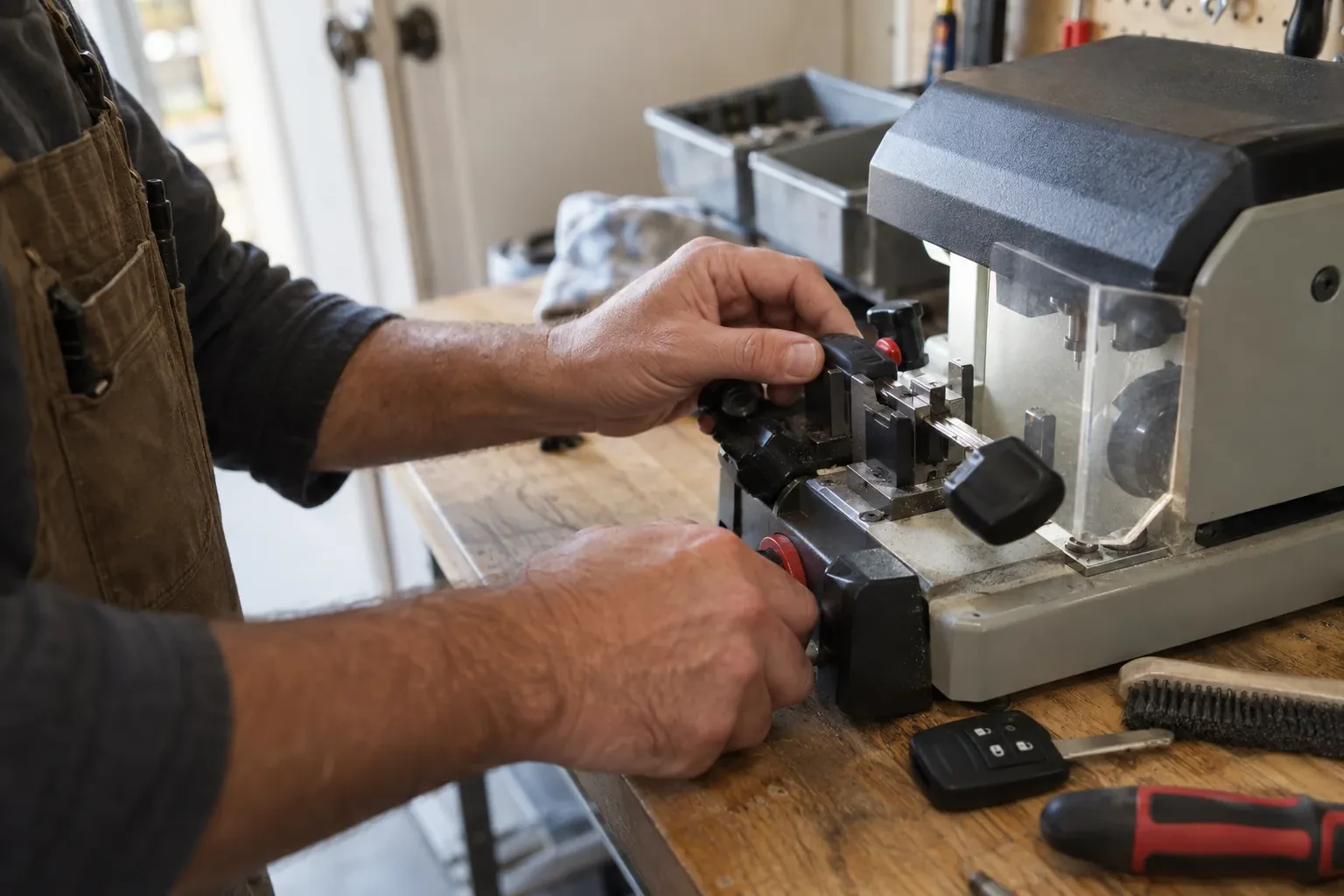
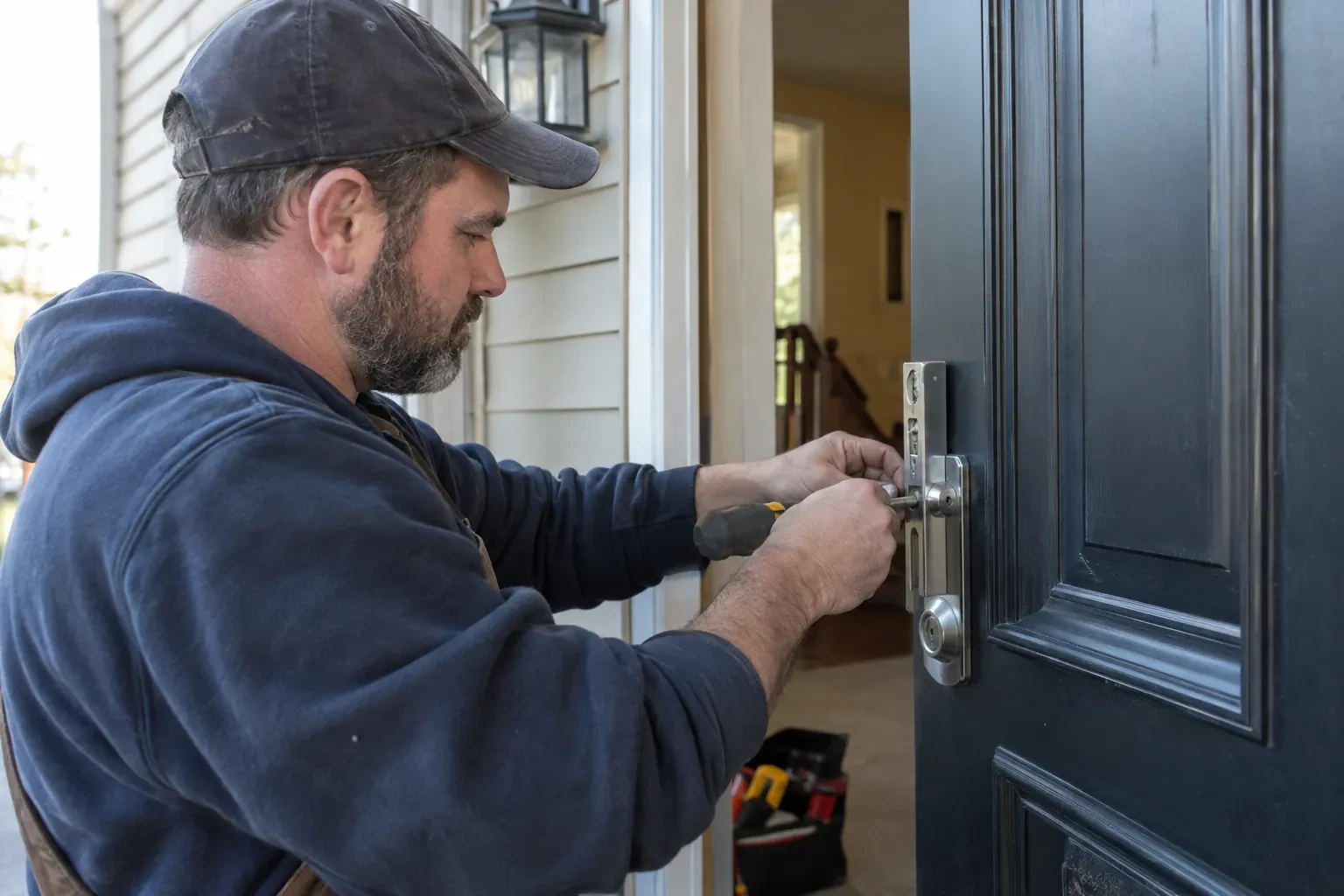
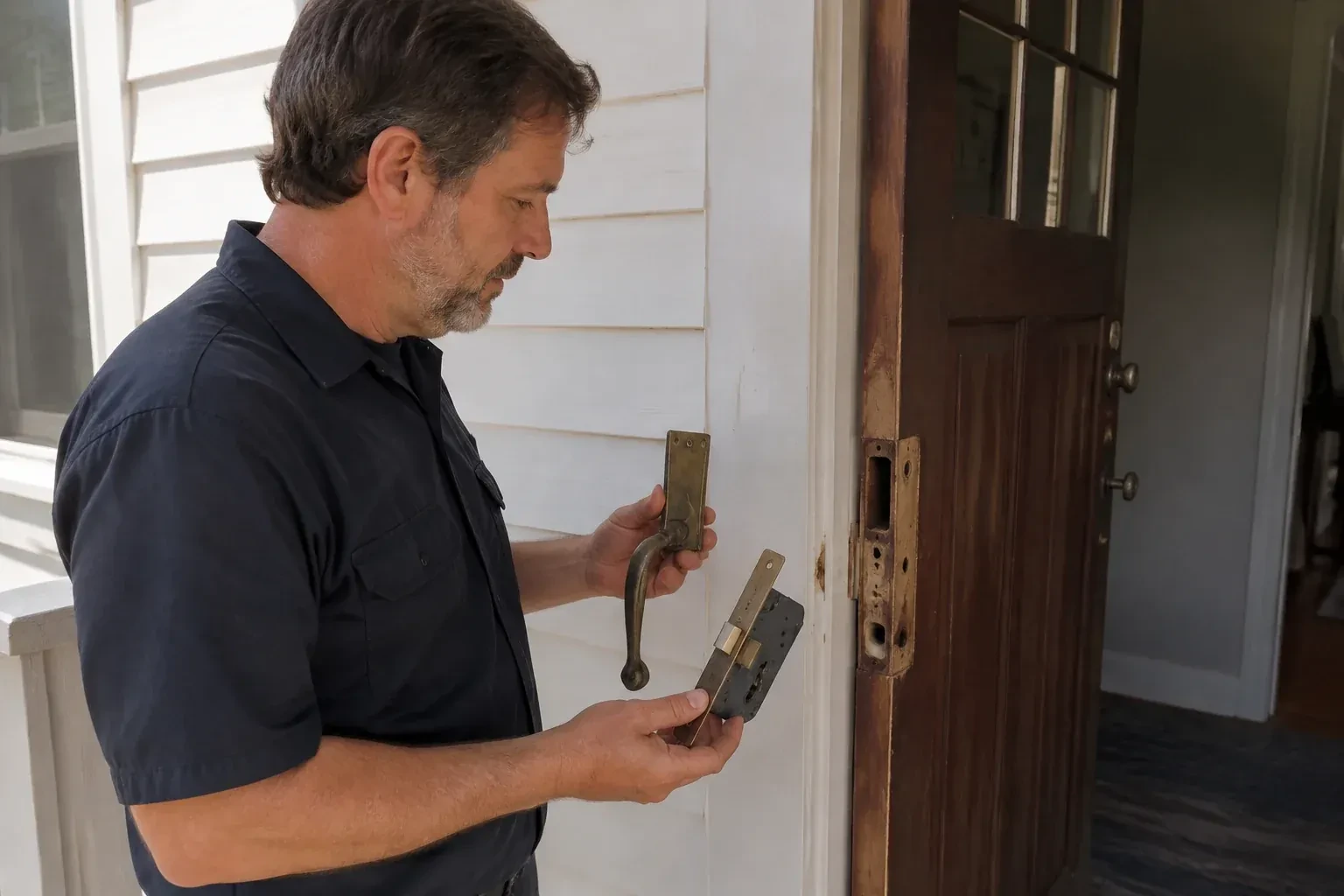
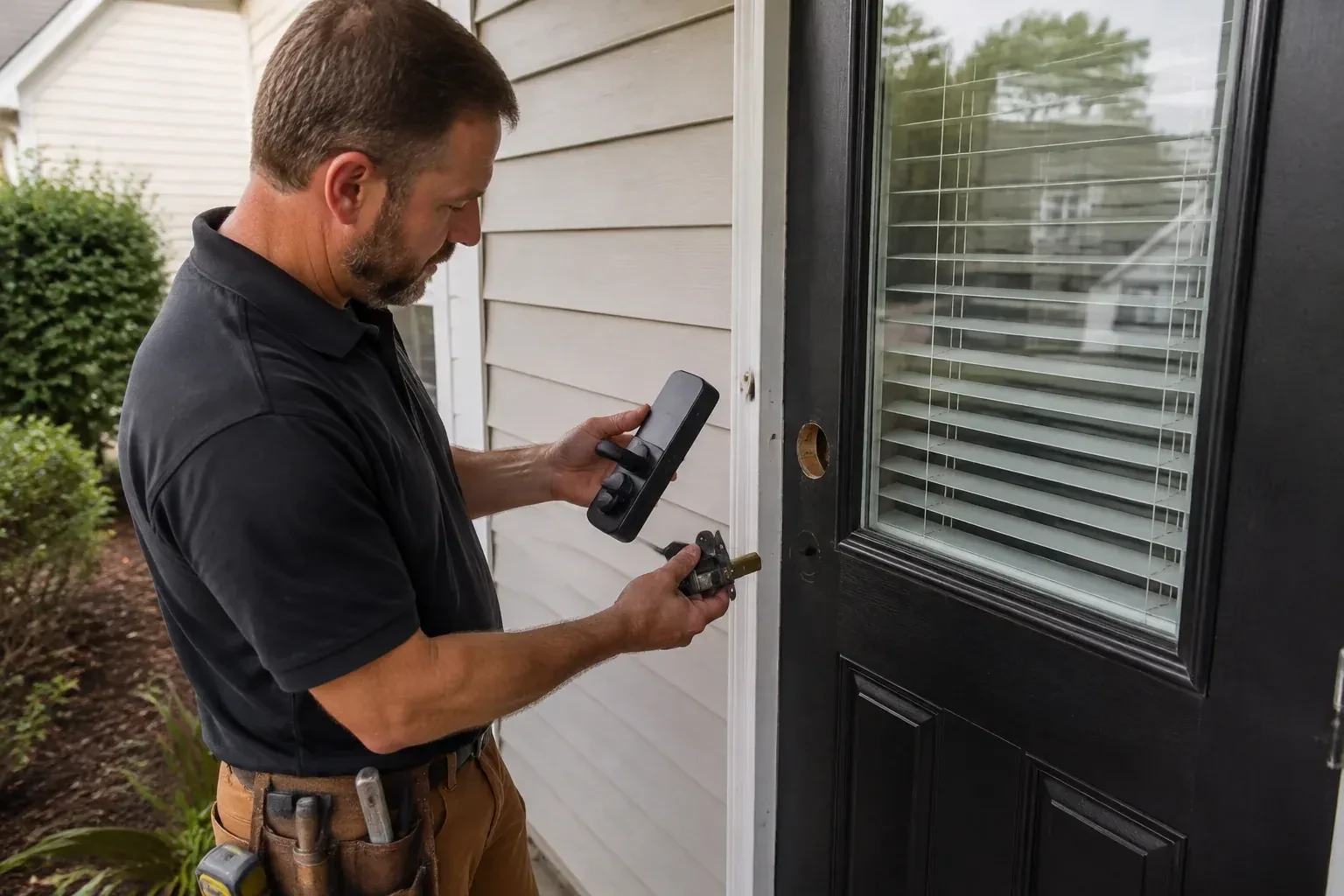
Lock Rekeying
Counting the keys that are already out there
Part of planning a rekey is understanding why it is happening. The locksmith asks how many keys exist as far as you know, who has held one, and whether any went missing with something identifying the address. The answers do not change the pinning, but they shape the advice: whether a padlock or mailbox shares the same risk, whether a garage keypad code should change on the same visit, and how many new keys make sense to cut.
It also helps to know whether any key is a restricted or patented type, since those are cut from a record rather than duplicated and may involve the original supplier.