Locksmith in Edgeley, OntarioExit doors, closers,and hardware that lasts
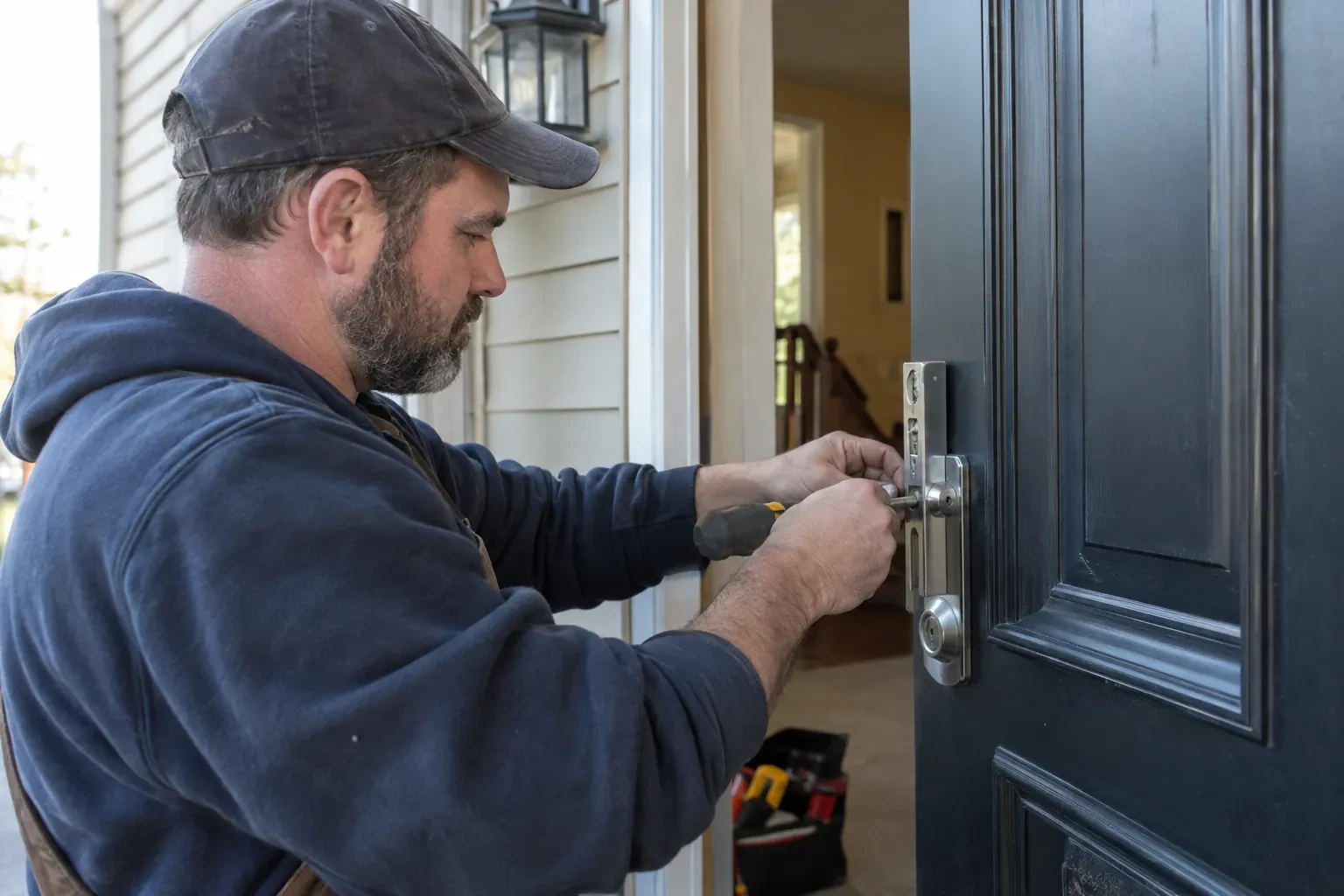
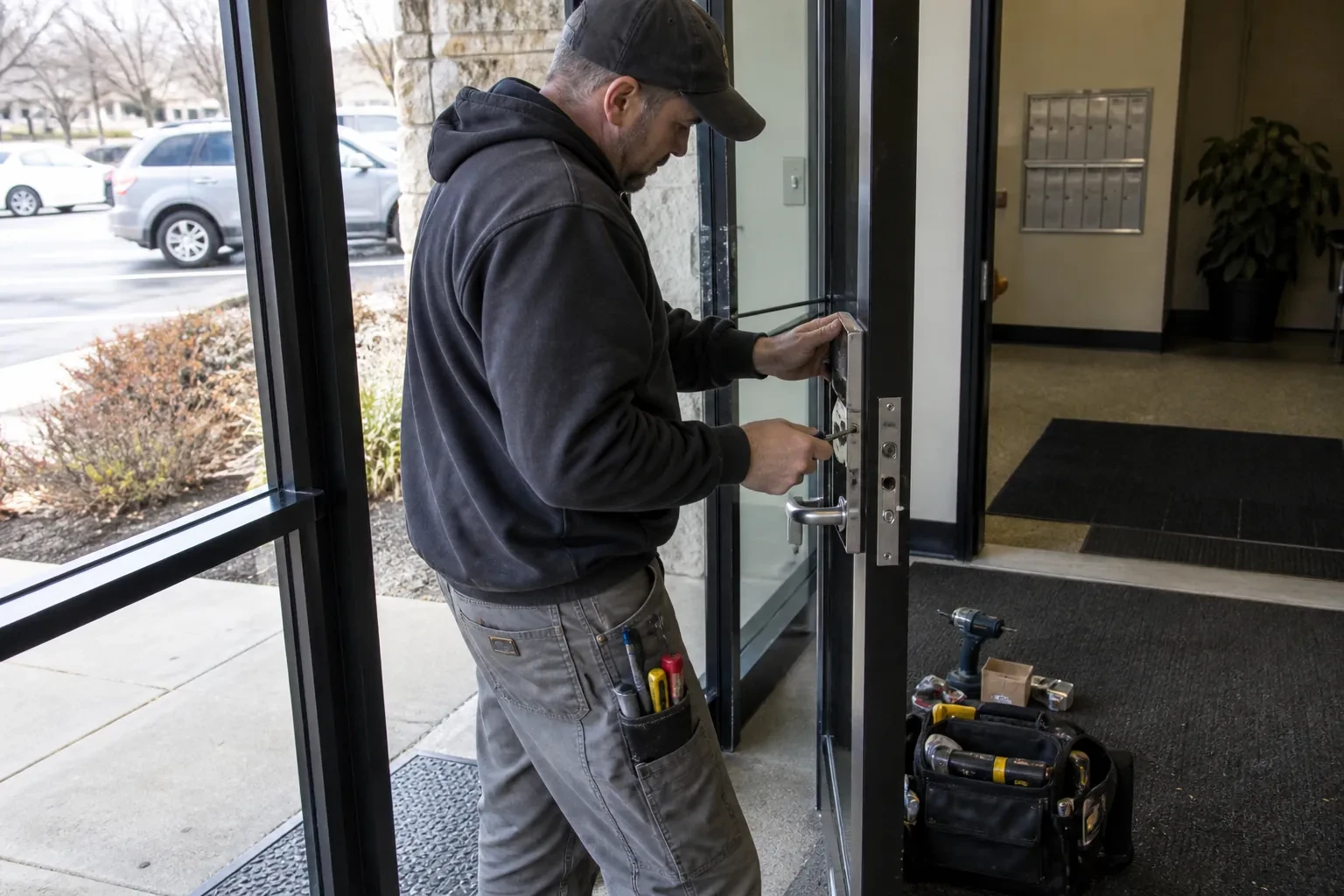
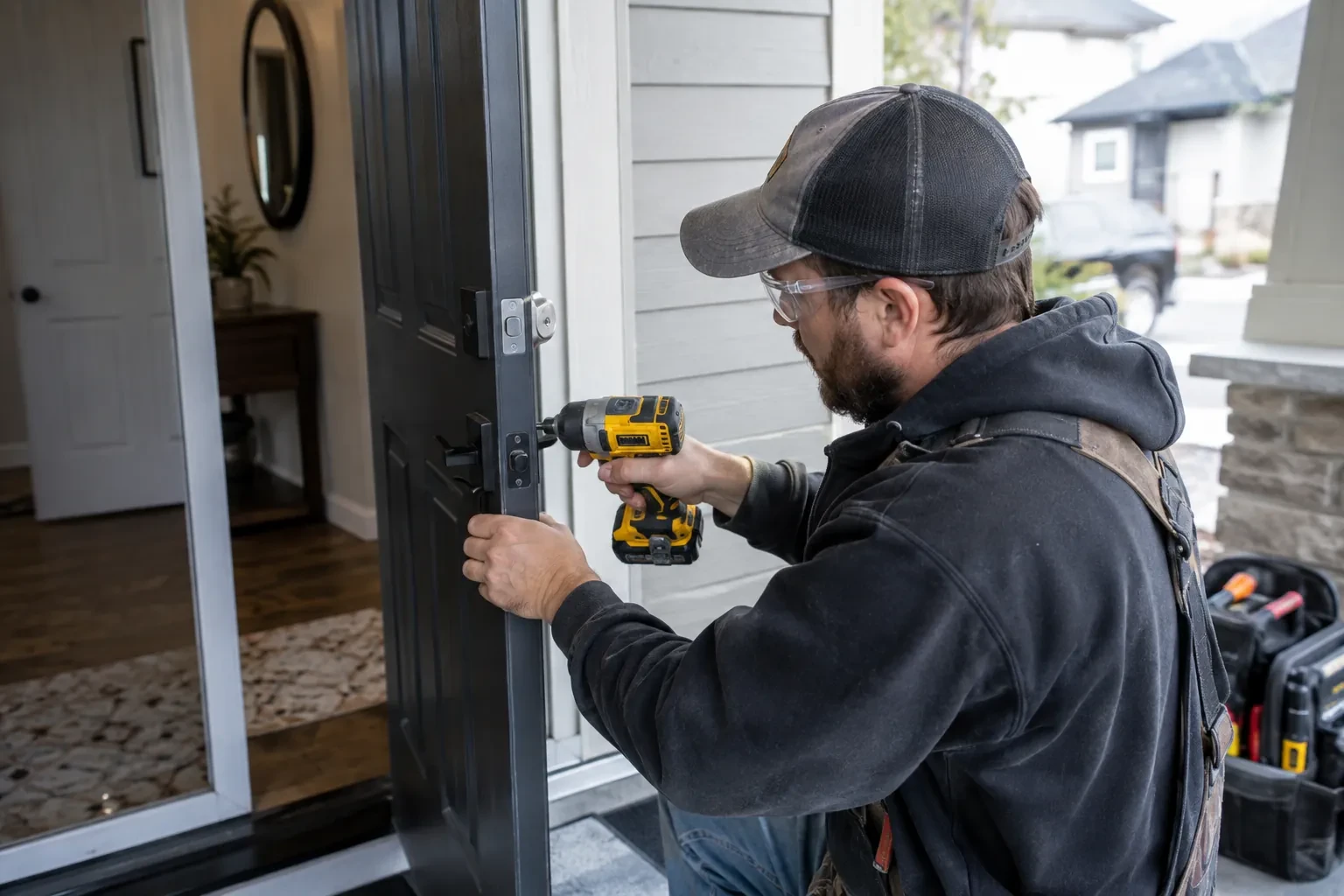
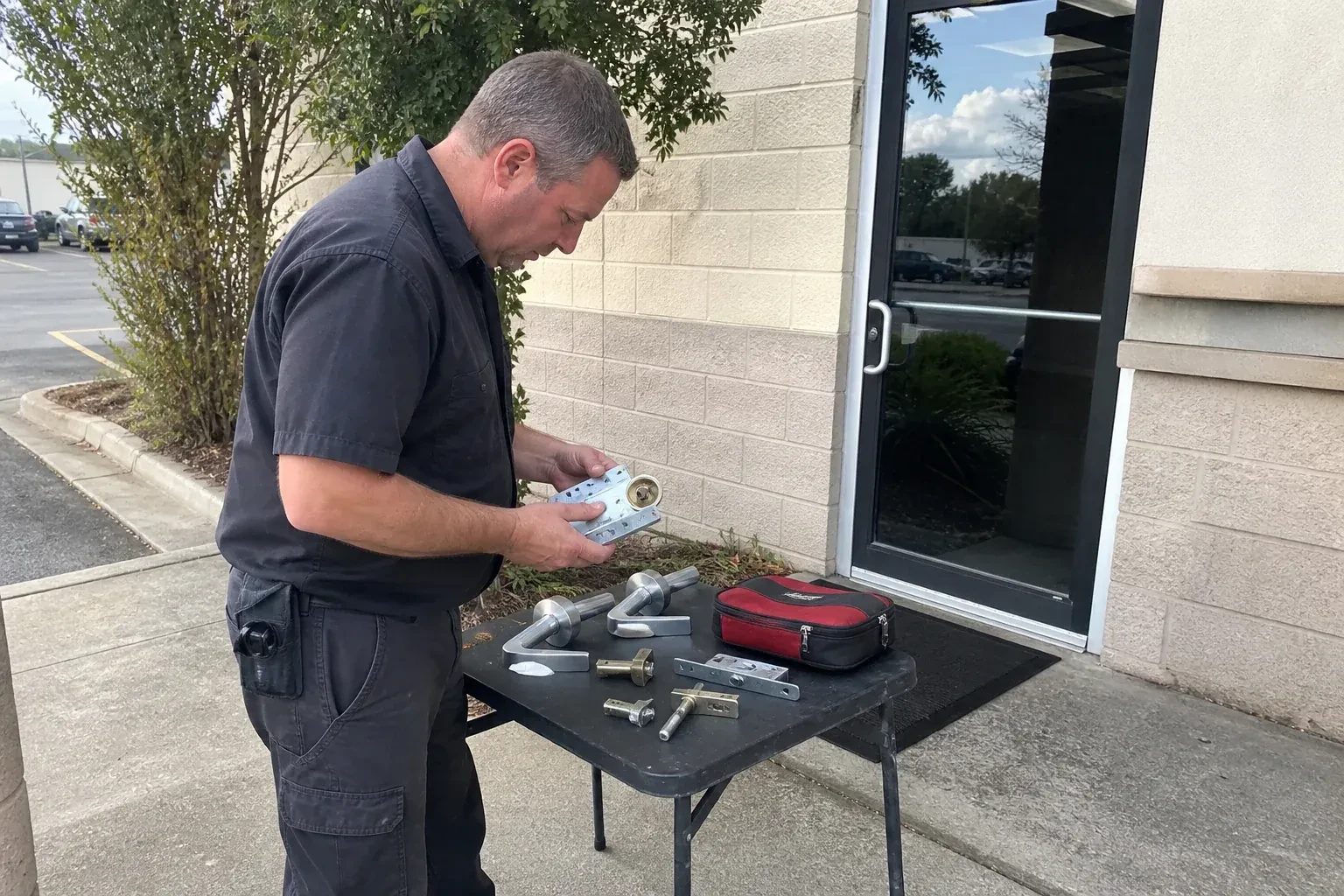
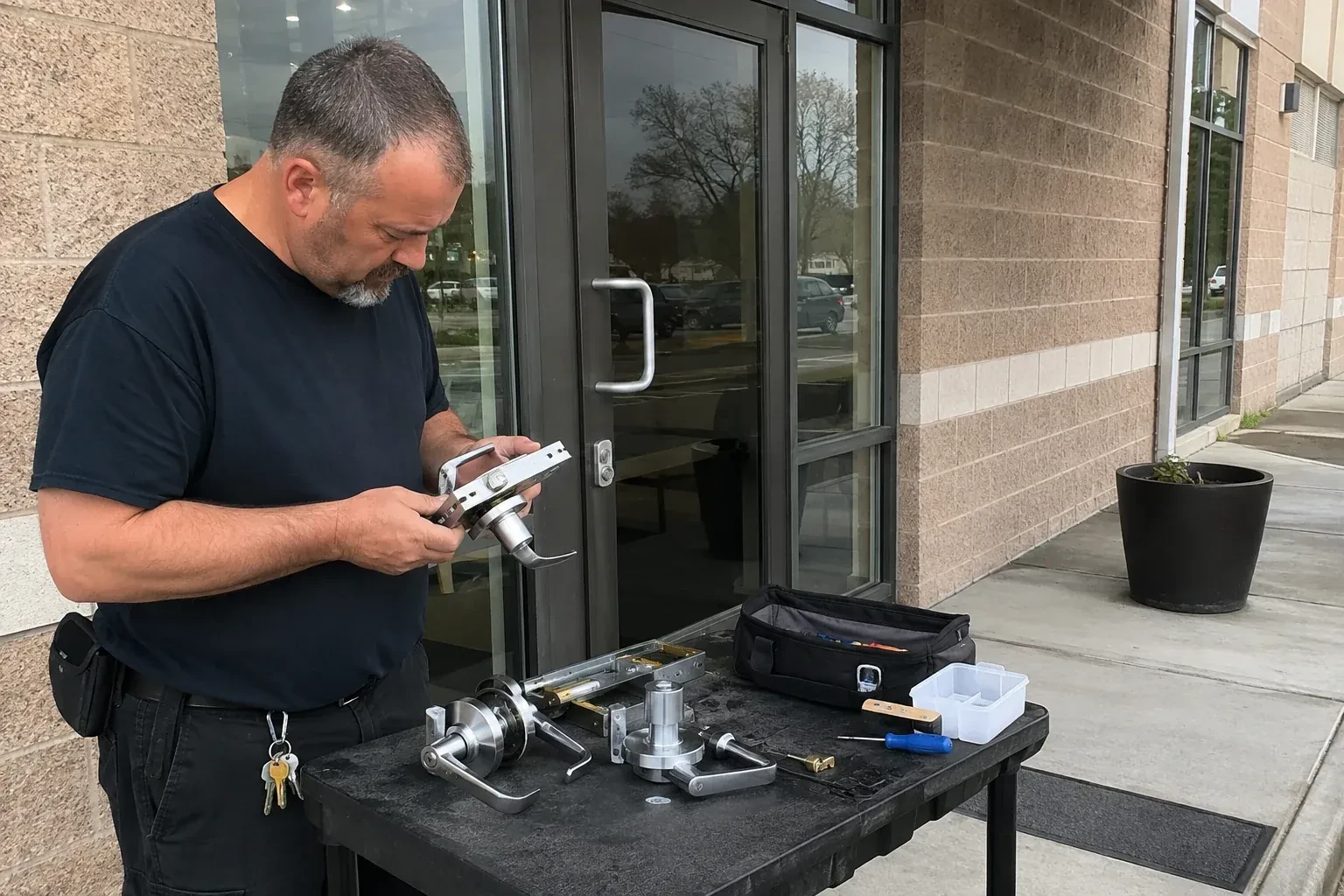
Commercial doors in Edgeley take a beating: hundreds of openings a day, deliveries, weather, the odd kick. We fit lever sets, closers, push bars and deadlatches built for that traffic, adjust them so the door shuts and latches on its own, and come back to service them before they fail.
Commercial doors in Edgeley take a beating: hundreds of openings a day, deliveries, weather, the odd kick. We fit lever sets, closers, push bars and deadlatches built for that traffic, adjust them so the door shuts and latches on its own, and come back to service them before they fail.
Every lock has a story. We listen first.
Landlords and property managers in Edgeley get a partner who understands turnover. We rekey between tenants, keep the unit keys under one master so you carry a single ring, fit hardware that survives heavy use, and note what was done on each door. When a tenant loses a key at an awkward hour, we already know the building.
A locksmith should leave you knowing more than when they arrived, and that is how we work in Edgeley. We name the parts in ordinary words, explain what each option does in daily life and answer every question, however small. When we drive away, you should be able to tell a partner or a landlord exactly what was done and why.
11years in business
24/7open every day
You set the pace. We explain, you decide, we work. If you would rather sleep on a bigger change, we do what is needed now and leave the rest for another visit.
The reasoning behind each suggestion. Every recommendation comes with the reason for it, in language that does not require you to know the trade. Ask why as often as you like.
Order restored. Tools packed, dust cleared, doors closed properly. We leave your home or business looking as it did, with the lock problem gone.
Whether you own a home in Edgeley, run a shop or manage a few rental units, the lock services here are organised the way people actually ask for them. Start with the problem you have today, and read on to see what else on the door might deserve a look while a locksmith is already there.
About 8% of homes in Vaughan were built in 1980 or earlier, according to the 2021 Census.
Newer homes
Households in newer homes are often keen on keypads, fobs and phone-controlled locks. Standard doors make installation straightforward, and the locksmith spends more of the visit setting codes and pairing devices than on carpentry.
Single-detached houses make up about 63% of homes in Vaughan (2021 Census).
Mostly houses
Where most homes are detached houses, each one has several exterior doors: front, side, back, garage entry, sometimes a walkout. Getting them all onto one key is the most requested job, and it usually takes a single visit.
Following a break-in, the instinct is to buy the biggest lock. The better response is to look at how entry was made and strengthen that path first, then consider a cylinder and key system that stops it happening by key rather than by force.
The house is fifteen years old and every exterior door still wears the light hardware the builder fitted: a short bolt, a thin strike held by two small screws, and a knob lock that never suited a street entrance.
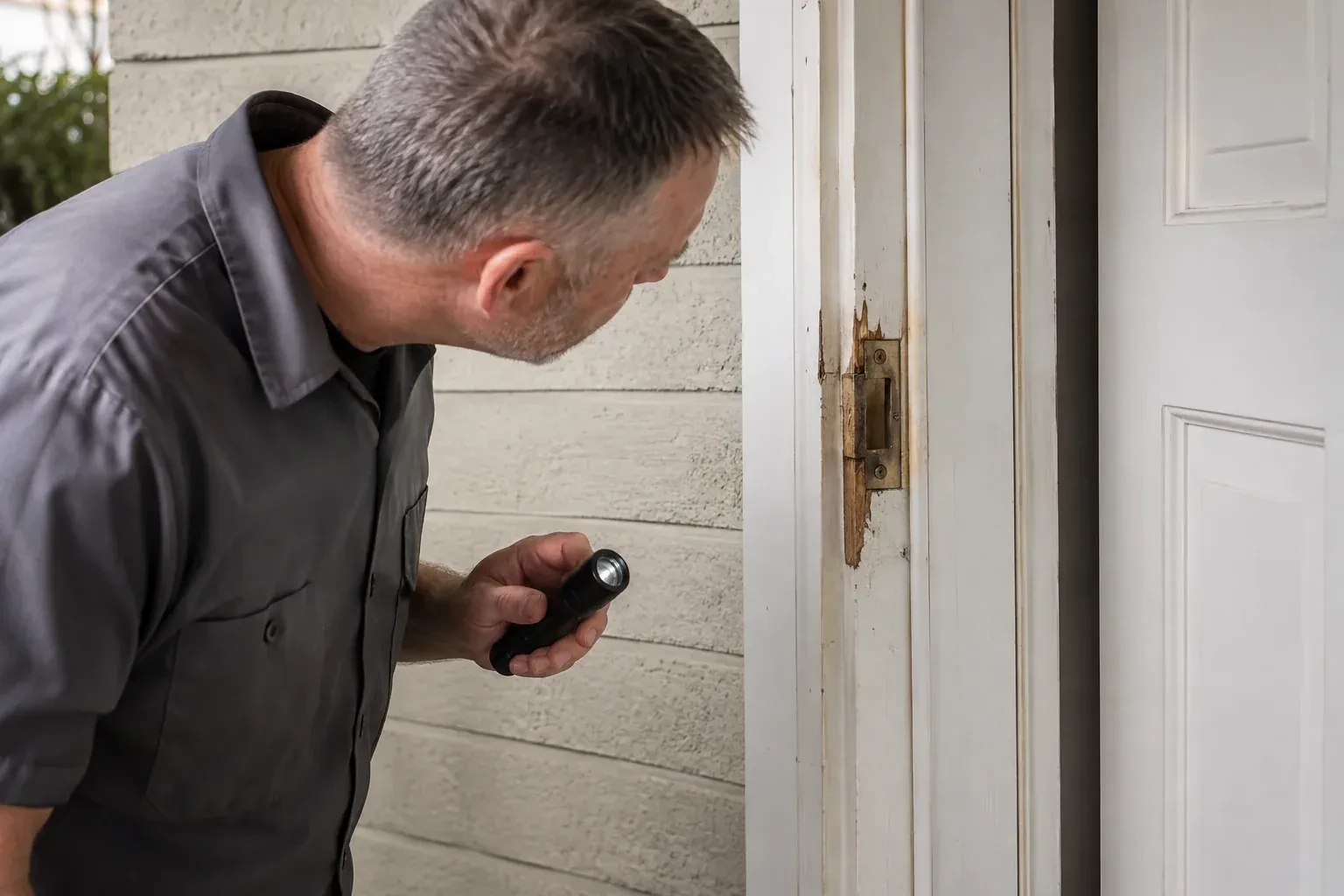
Police have come and gone, the occurrence number is on a sticky note, and you are standing in a cold hallway looking at a splintered frame, wondering how the house gets locked before everyone tries to sleep.
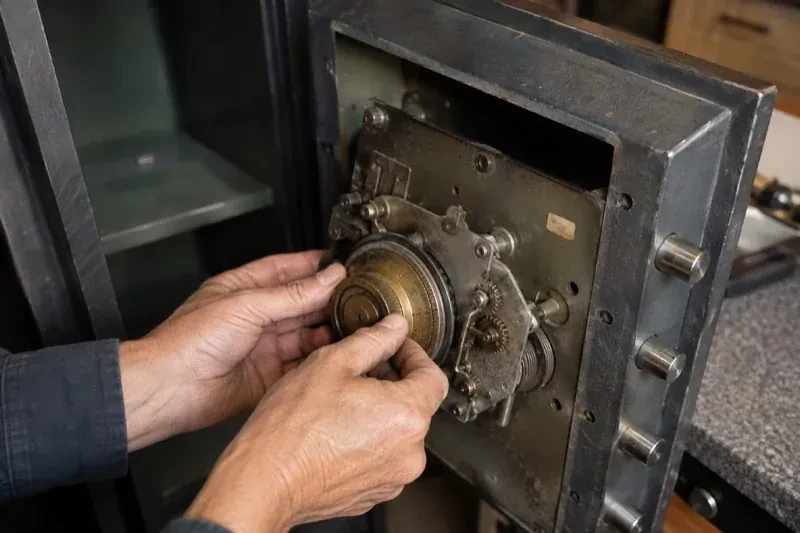
Decades of daily use have left the law firm's old dial safe drifting: the numbers line up close to where they should, never quite enough to drop the bolt.
A community group counts the weekend's raffle and bake-sale cash on a kitchen table, then carries it home in a tote bag until the bank opens Monday, because there has never been anywhere safer to leave it.
Which fix fits?
Someone pushed the privacy button on the bathroom door and pulled it shut behind them, leaving the room locked and empty.
WhyThe trim on the door face is the other half of the lock.
You have just taken possession of the house and the previous owners handed over a keypad deadbolt with a code nobody wrote down and an app account you cannot get into.
WhyMost of the skill in fitting a smart lock goes into the door rather than the electronics.
The bookkeeper who set the office safe's code retired in a hurry, and the float cash for tomorrow's registers is sitting behind a keypad nobody else in the building can operate.
WhyWhether the key won't insert, won't turn, turns without engaging anything, or is stuck and refuses to come back out, each version of the symptom points toward a different part of the mechanism.
How a visit goes
Describe the property, the hardware and what has changed, and the visit starts from what you have seen.
1
2
3
01
Confirming it is your door
Before touching the lock we ask for identification or another way to show you live or work there. It protects you as much as anyone.
02
The gentlest opening that works
Most doors can be picked or bypassed with no damage. We start there and only move to a firmer method if the lock leaves no other choice, explaining as we go.
03
A working lock before we go
Once you are inside we check the lock still turns properly and that you have a key that works. If the lock was the reason you were stuck, we say so.
Good days. Start with a turn.
1/9Home Lockout Service
Someone pushed the privacy button on the bathroom door and pulled it shut behind them, leaving the room locked and empty. The little emergency slot on the outside is stripped, and the tiny release key that came with the handle disappeared years ago.
A roommate tried to help with tweezers, then by gluing the other half to it. The fragment is now further in than it started, there is dried glue around the keyway, and the front door still does not open.
The patio slider is sitting crooked on its track. Its latch is snapped, the frame is bowed where it was pried, and the panel no longer meets the jamb, so the house cannot be closed up for the night.
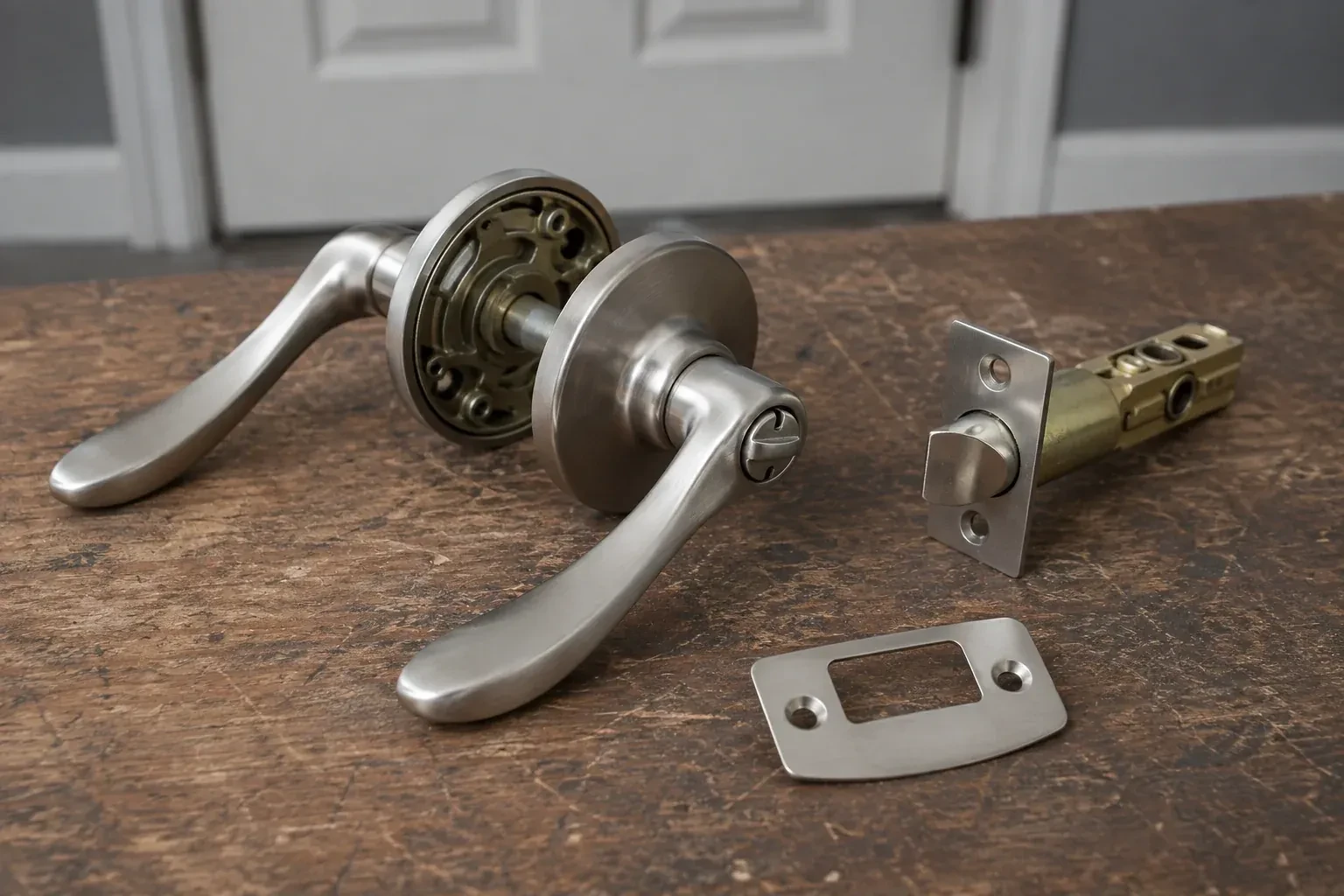
The lever on the side door droops toward the floor and rattles in your hand. The latch no longer springs back on its own, so the door drifts open behind you unless you pull it shut and check it twice.
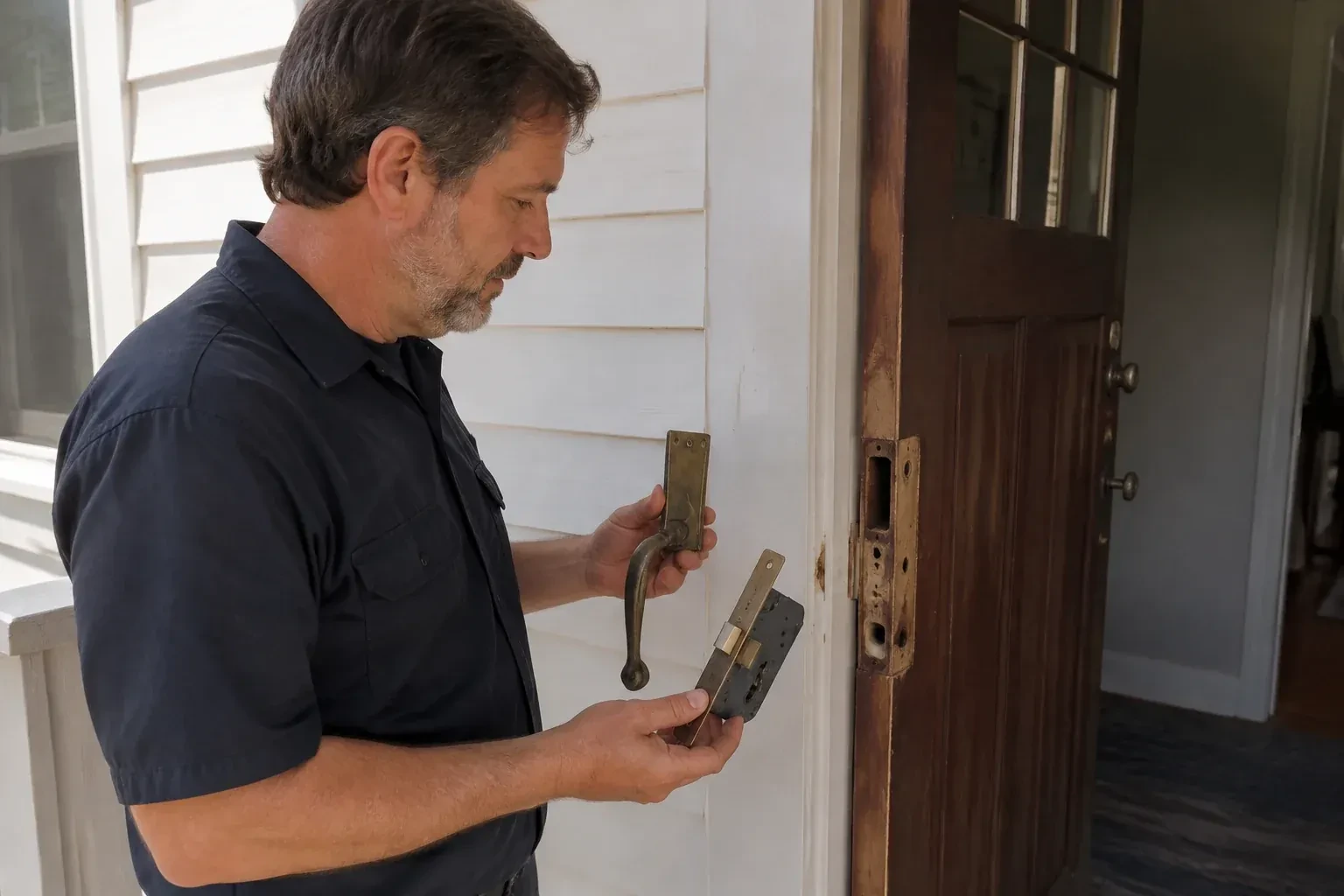
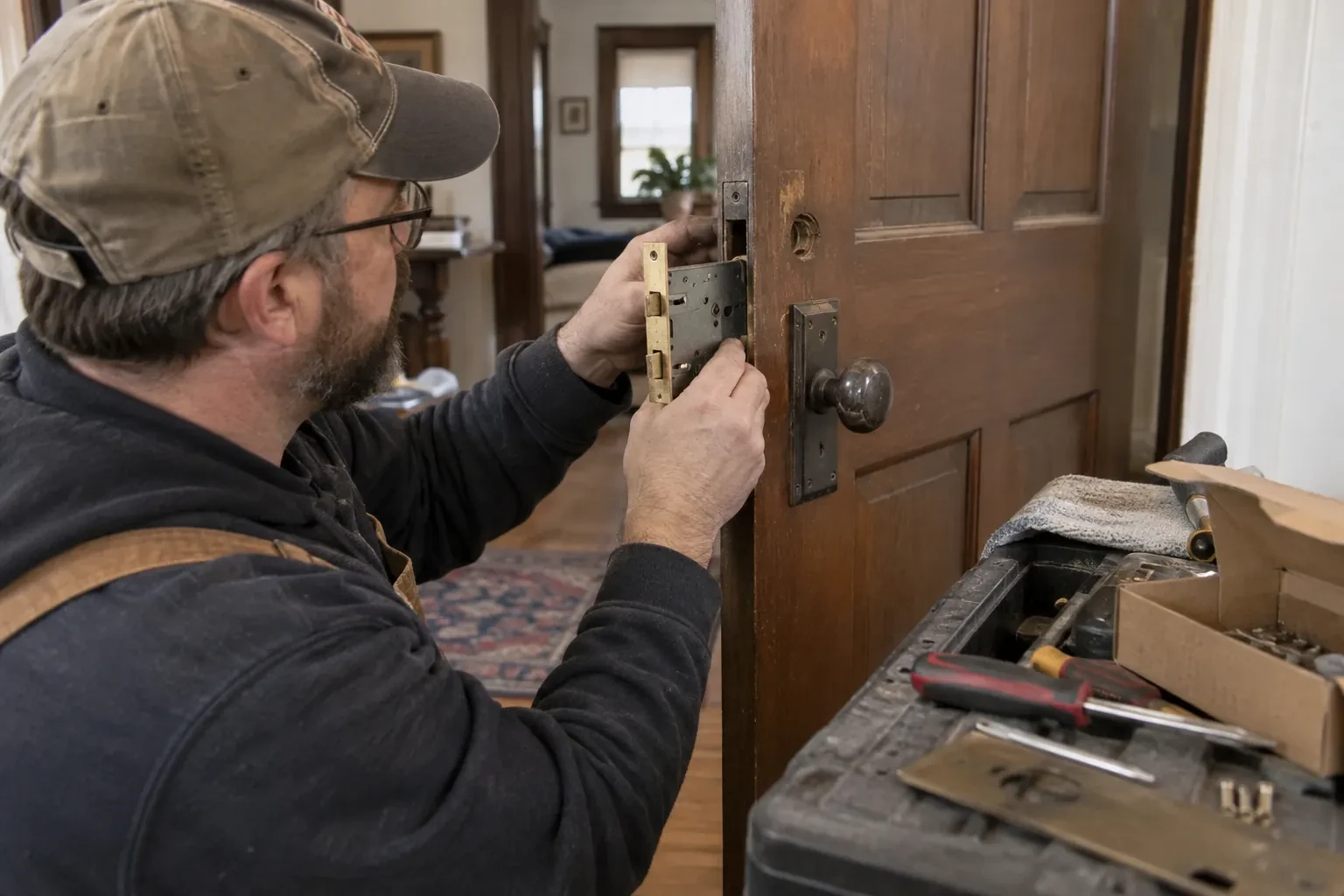
The interior bedroom doors on the second floor have the original mortise latches, and none of them close any more. The doors drift open, the small brass turn buttons do nothing, and the keyholes have been empty for as long as anyone can remember.
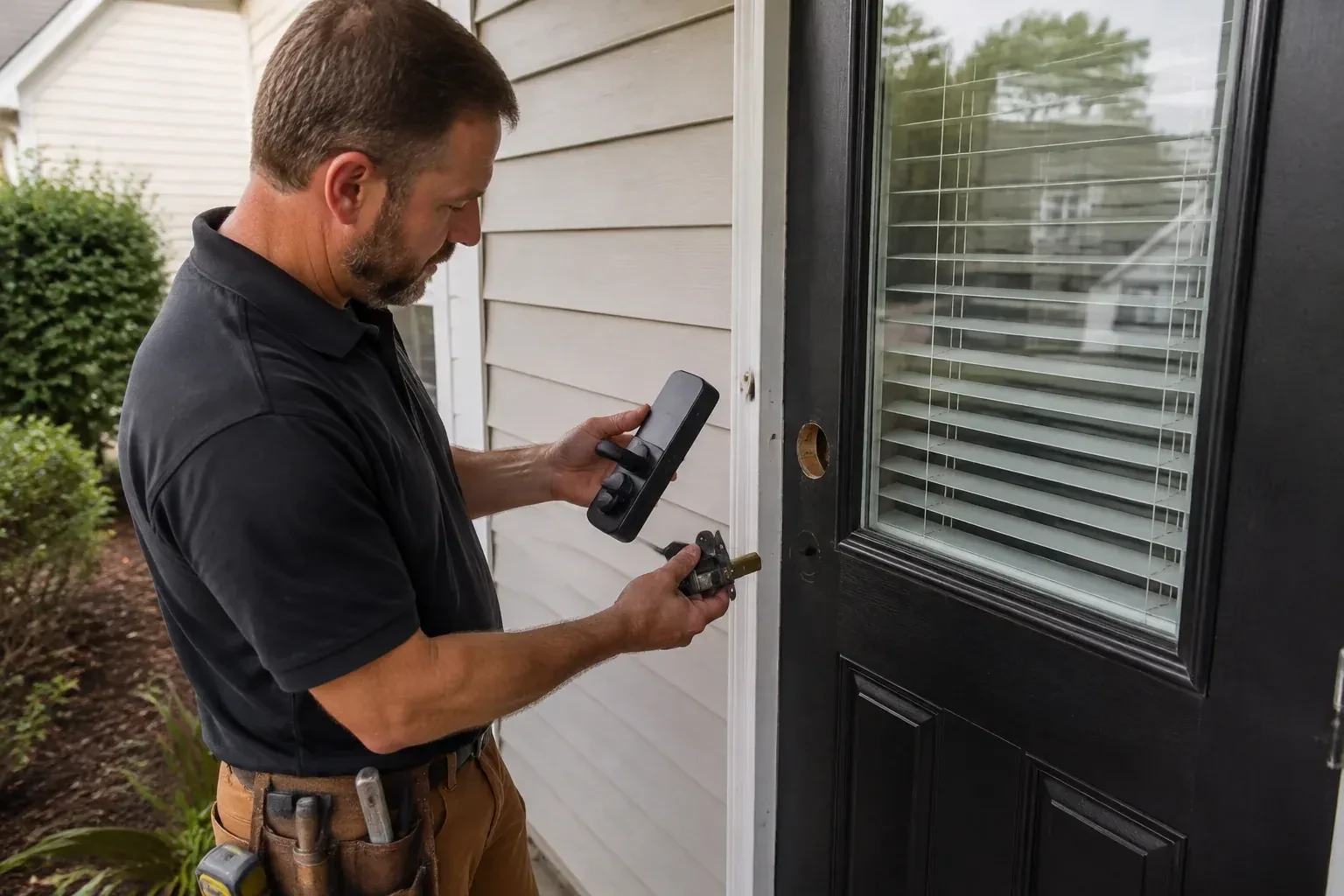
You have just taken possession of the house and the previous owners handed over a keypad deadbolt with a code nobody wrote down and an app account you cannot get into. It needs to become yours, properly, or be replaced.
The bookkeeper who set the office safe's code retired in a hurry, and the float cash for tomorrow's registers is sitting behind a keypad nobody else in the building can operate.
It is a January morning, minus twenty with the wind, and the key will not enter the door cylinder. Yesterday's slush ran into the keyhole and froze overnight. The door itself is glued to its rubber seal, and the fob has gone quiet in the cold.
The key slides in fine and turns without any resistance at all, and the dash lights flicker, but nothing catches. No click, no crank, just a key spinning loosely in a slot that used to grab hold of it properly.
Is a double-cylinder deadbolt a good idea after a lockout?
A deadbolt keyed on both sides is sometimes suggested for doors with glass beside them, but on a main escape door it means finding a key to get out. A door people use to leave the home should open from the inside without a key or special knowledge, especially in an emergency. A single-cylinder deadbolt with a thumb-turn, paired with a reinforced strike and a proper glass film if needed, keeps both security and a clear way out.
Is a broken key a sign the whole lock is worn out?
Sometimes, and the visit answers it. A key that failed from its own fatigue in a clean, smooth cylinder says nothing against the lock. A key that broke because the pins were worn flat, the cap had loosened or the keyway was full of grit says the cylinder needs a service or a rekey. One that broke in a corroded, pitted plug is telling you the lock is due for replacement.
Why did the frame break instead of the lock?
Because that is where the weak point was. A standard strike plate is held by two short screws in a soft wood jamb, and the deadbolt only reaches into a shallow pocket behind it. A kick delivers the full weight of a body to those screws, and the wood around them splits along the grain. The bolt itself is rarely the failure. That is why the repair concentrates on the strike side: a boxed strike, a full-depth pocket and long screws into the stud.
What happens to the old lock?
It is yours. Some people keep a sound old cylinder as a spare or move a decent deadbolt to a shed or garage door, and the locksmith can rekey it to the house key for that purpose. Worn or damaged hardware is taken away for recycling if you prefer. Either way, the old keys should be gathered up and discarded so nobody confuses them with the new set.
What information helps before you come out?
Whether the door takes a skeleton-style bit key or a flat key in a round cylinder, roughly when the house was built, what the knob and bolt are doing, and whether the trouble is worse with the door closed. A photo of the faceplate in the door edge and one of the keyhole side is worth a great deal. Mention how many doors are involved and how many keys you would like afterwards.
Can you set up codes for my kids, the cleaner and the dog walker?
Yes, and separate codes for each of them is the whole point. During setup a code is created per person, so you can see who came in and remove one person without affecting the rest. Where the model allows, the cleaner's code can be limited to certain hours and days, and a one-time code can be made for a delivery or a contractor. Children's codes are set short enough to remember and changed if they are overheard.
Can a safe be repaired instead of replaced after drilling?
Often, yes, particularly for a mechanical lock, where a worn wheel pack, drive cam or spindle can be replaced individually within the existing lock body. An electronic lock's circuit board and keypad are less often repairable in place and are more commonly swapped for a comparable or higher-rated replacement unit that fits the same cutout.
It is a rental or a company vehicle. Can you open it for me?
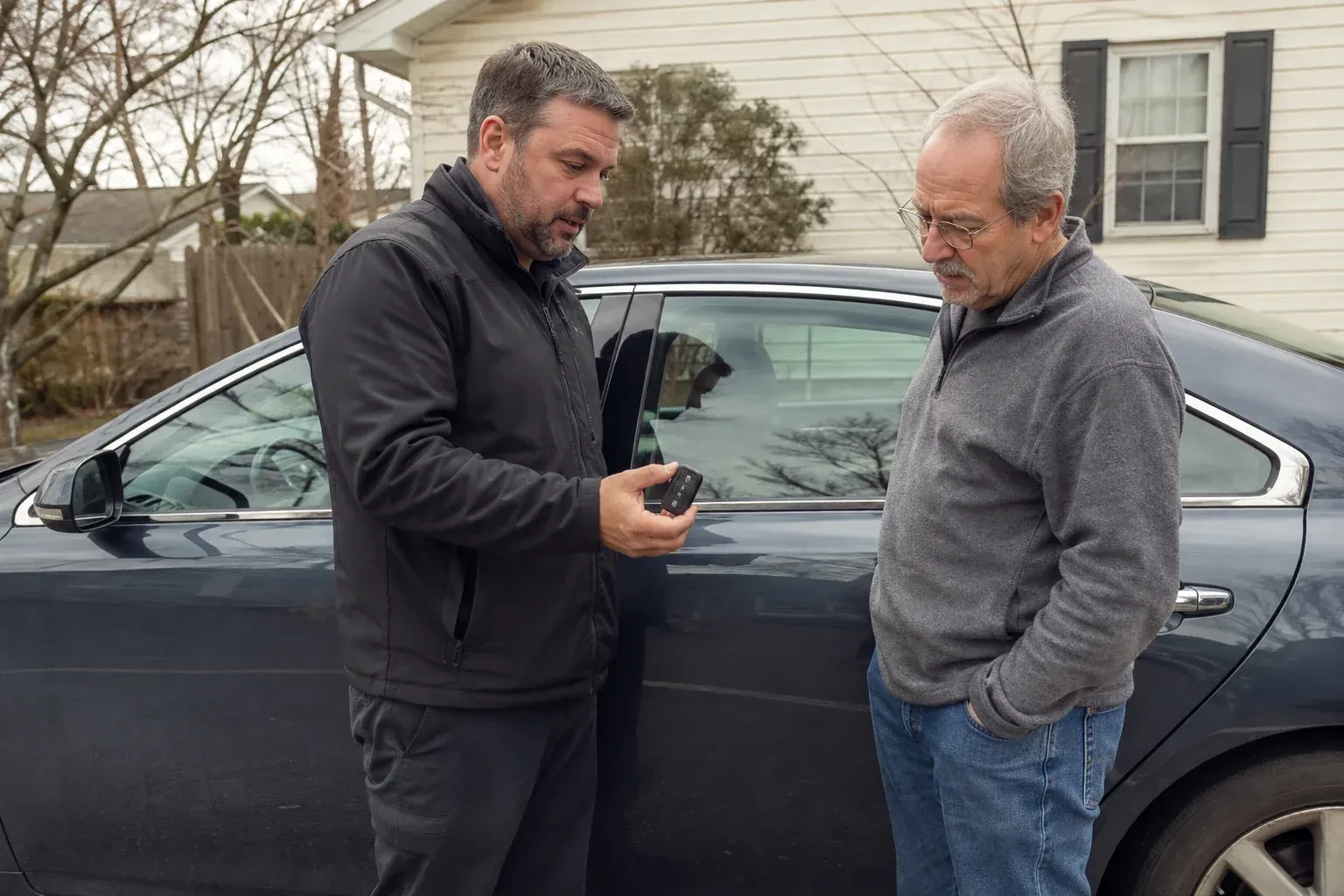
Yes, with the paperwork that fits. For a rental, the agreement in your name plus photo identification does the job; the rental company's roadside line may also want a call, and the locksmith can leave a written note of what was done for the return desk. For a company vehicle, a fleet manager or supervisor who can confirm you are assigned to it settles the question, and the same note keeps the fleet's records straight.
My car is older and uses a plain metal key. Can the ignition still be repaired?
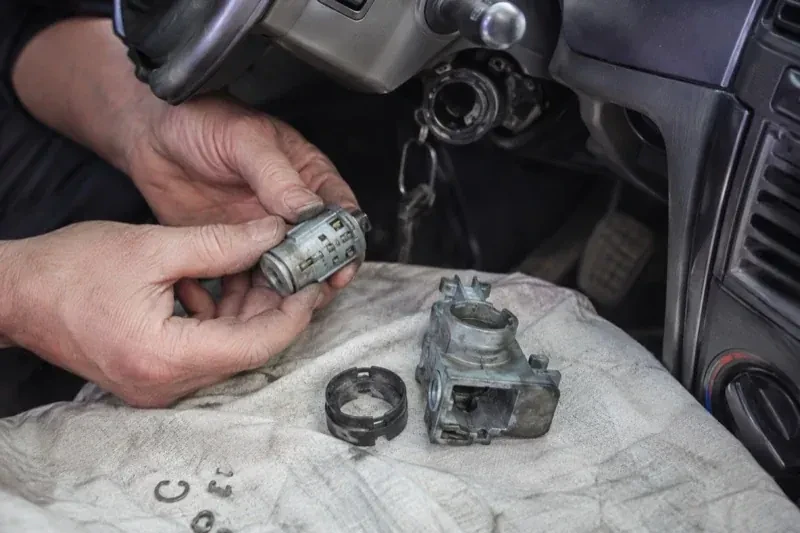
Yes, older mechanical ignitions are generally straightforward to service, since there is no transponder chip or immobilizer layer to work around. Worn wafers, a tired spring, or a housing that has loosened over the years are addressed directly, and a fresh key is cut from the current pinning or the vehicle's key code once the barrel itself has been sorted out.
Request a visit
Landlords and property managers in Edgeley get a partner who understands turnover. We rekey between tenants, keep the unit keys under one master so you carry a single ring, fit hardware that survives heavy use, and note what was done on each door. When a tenant loses a key at an awkward hour, we already know the building.