Commercial
Commercial Locks
Whether you run a single shop or manage several units, this section covers the locks, keys and access hardware that keep a business running. Each page explains the work in plain terms and what to think about before choosing an option.

Which one do I need?
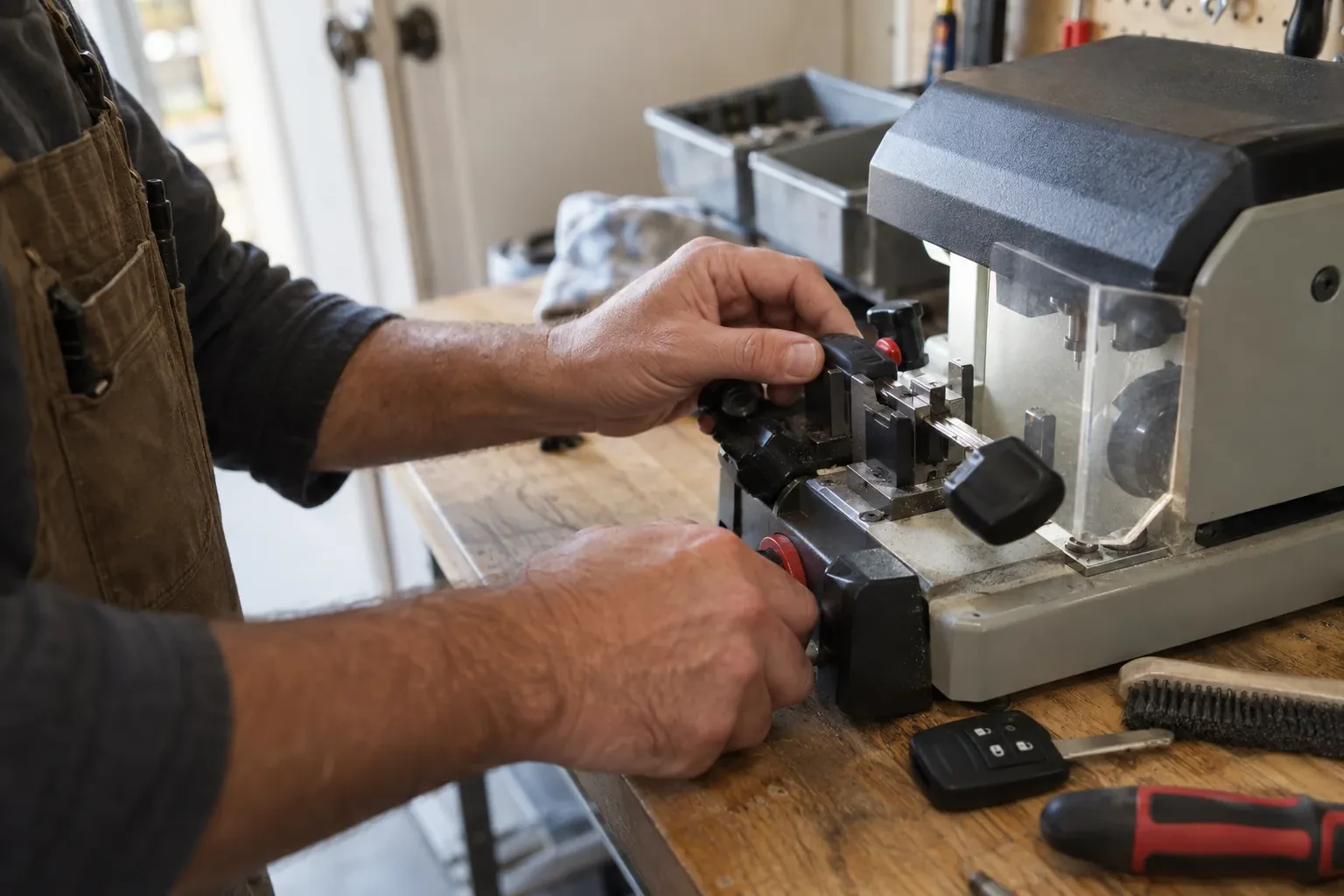
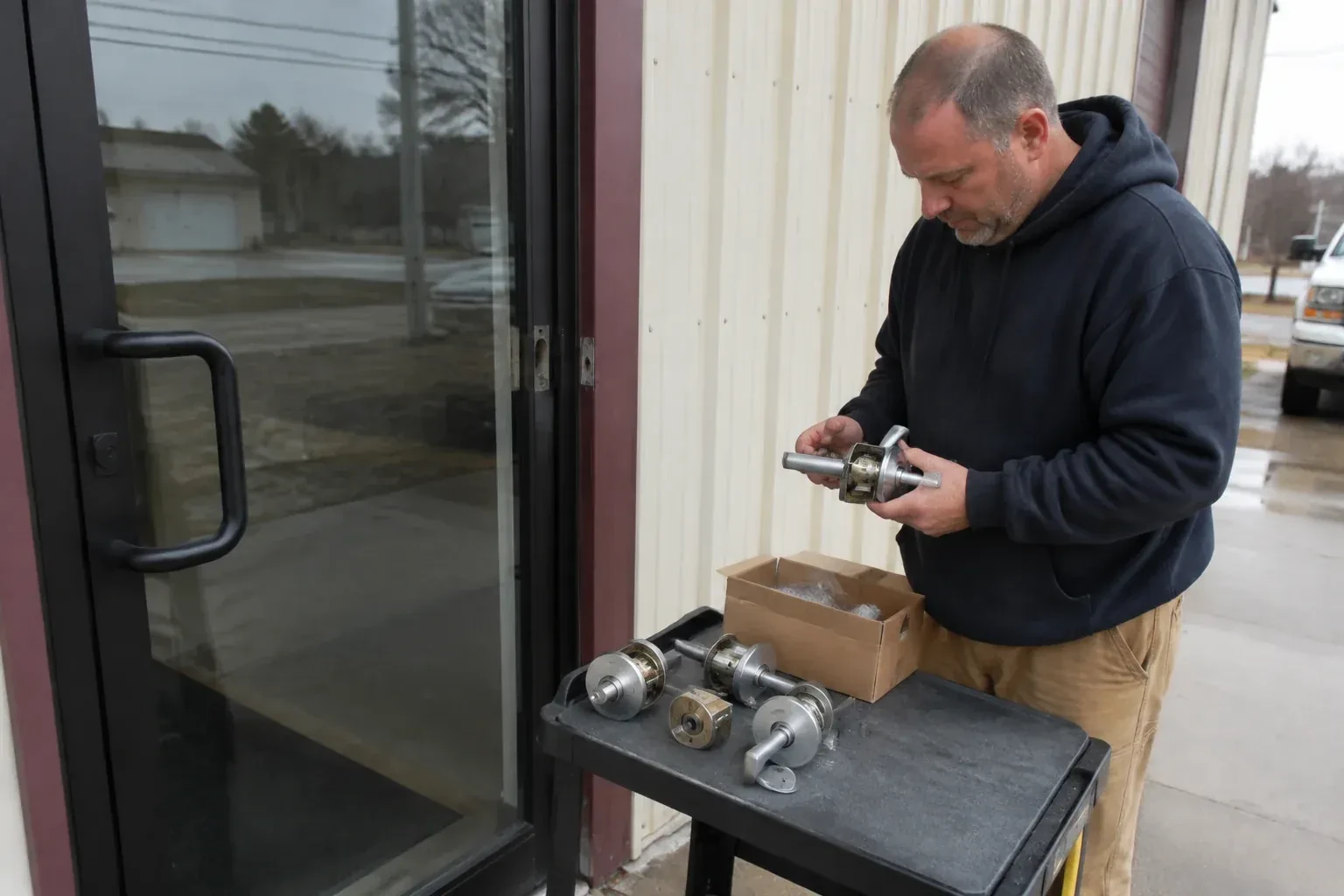
- The office has been reshuffled twice since the locks were last touched.Commercial Rekeying
- A self-storage operator wants the office, the tenant gate and the equipment shed on three different levels of access for staff, but every lock on the property currently answers to the same handful of interchangeable keys handed out over the years.Master Key System Design
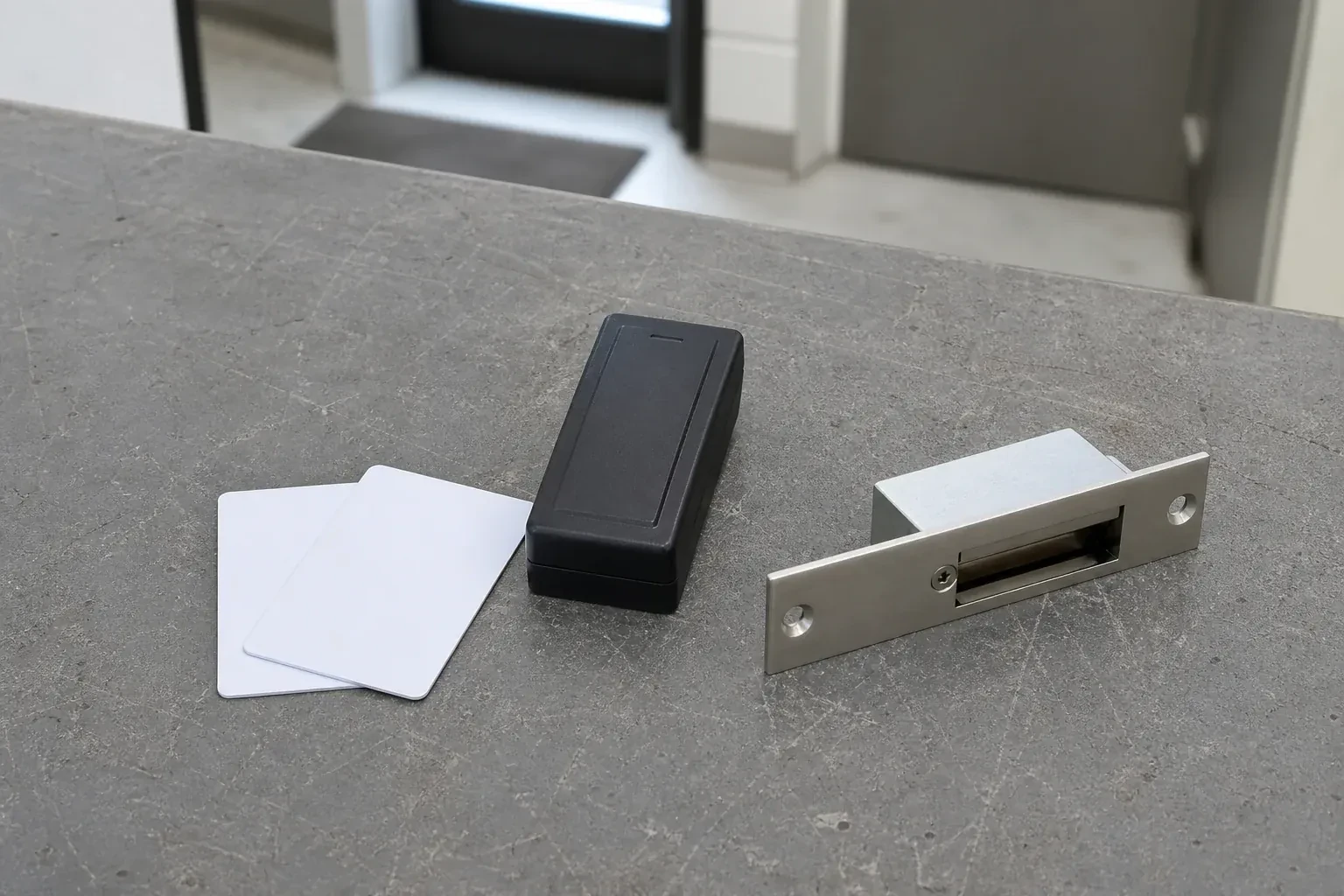
- The team has grown past the point where one shared key still makes sense.Access Control Installation
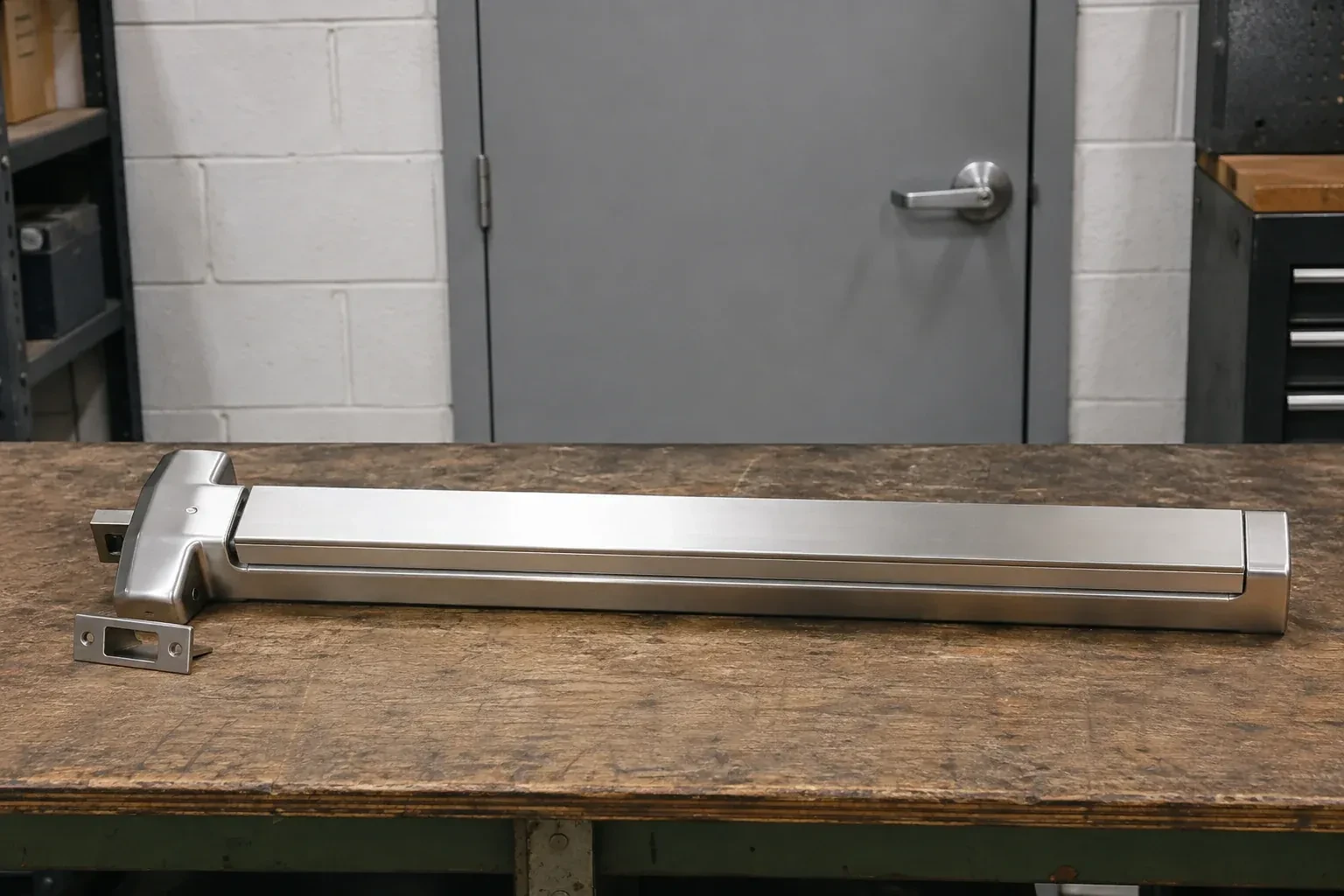
- The new access-control reader at the staff entrance works fine going in, but nobody has sorted out the door's exit side, and right now a card reader and a pushbar exist as two separate ideas.Panic & Exit Hardware
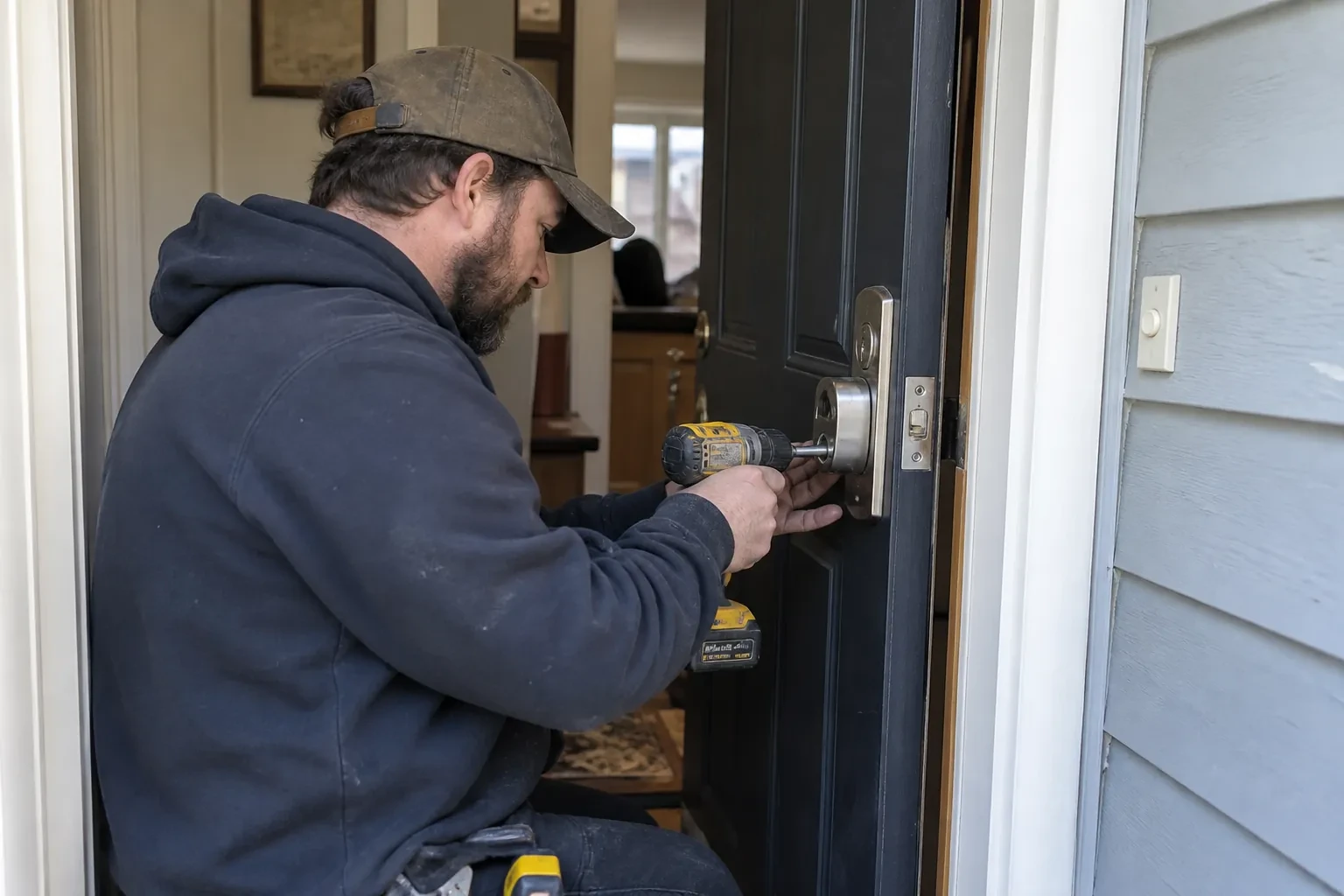
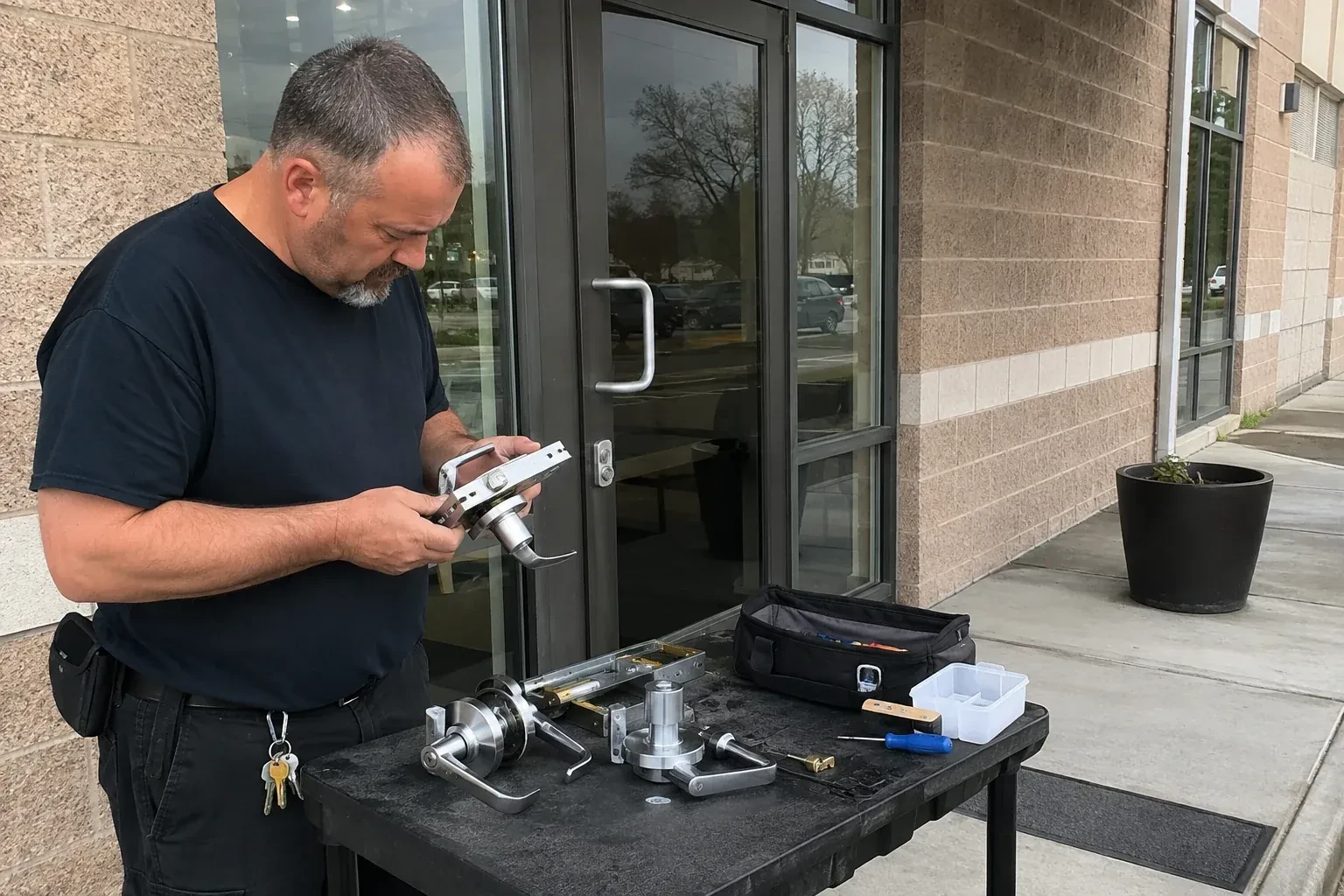
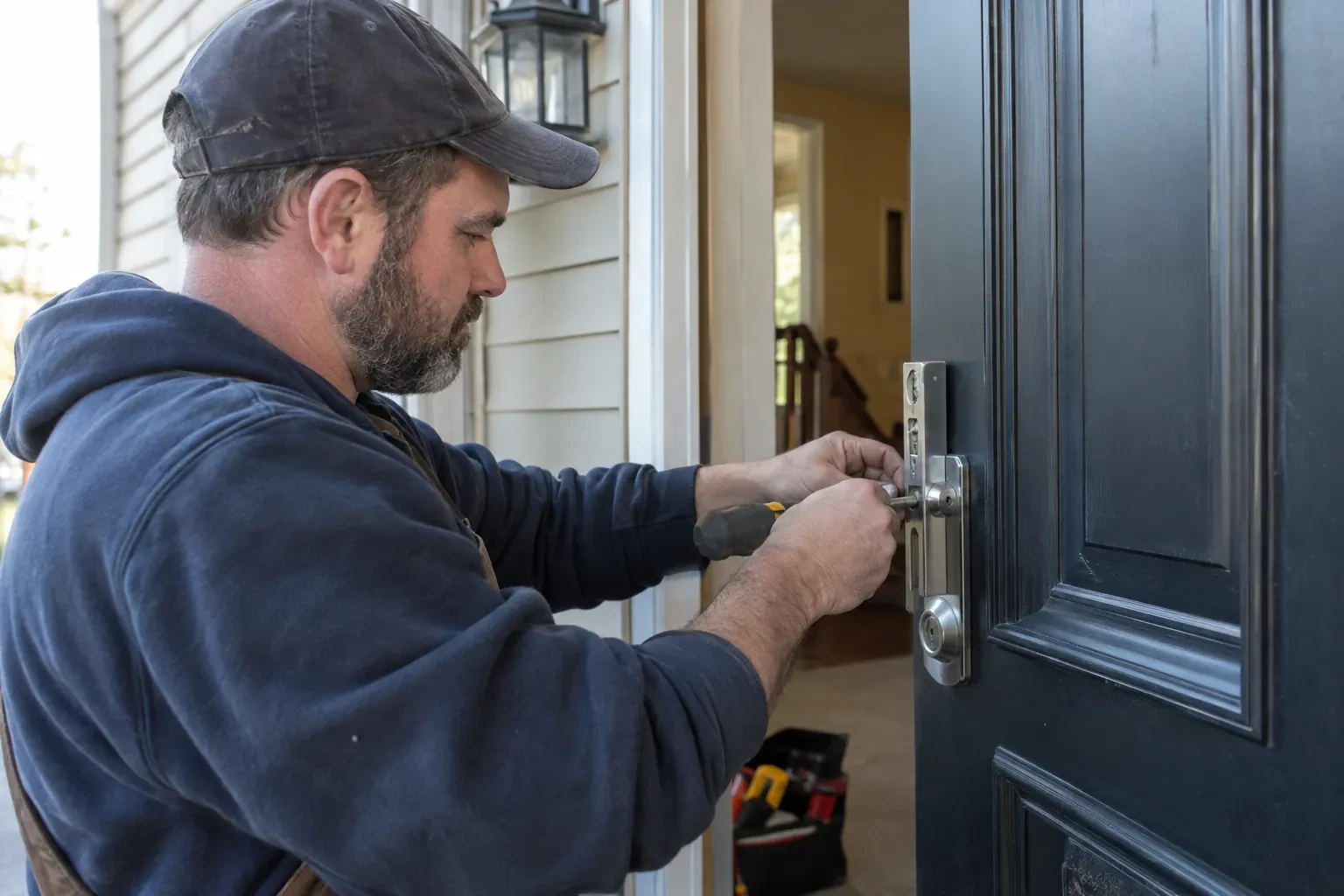
- At closing time the hookbolt on the storefront door catches the keeper only on the second or third try, and one employee has started giving the door a shoulder to force it home.Commercial-Grade Lock Replacement
Commercial Locks
Locks for shops, offices and buildings: rekeying at turnover, commercial-grade hardware, exit devices, master key systems and access control.

Commercial Rekeying
Who needs to open what
The keying plan is a picture of how the business runs, so the assessment asks who goes through which door on a normal day. Front-line staff need the customer entrance and perhaps the stockroom; supervisors add the office; the owner and the bookkeeper hold the cash room; the IT contractor reaches the server closet and nothing else. Out of that conversation come the key groups: doors keyed alike so one key covers a role, doors keyed differently where separation matters, and whether a master for the owner earns its place.
The plan also names anything left out on purpose, so the chart shows both what changes and what stays.