Locksmith in Vaughan, OntarioA locksmithwho explains things.
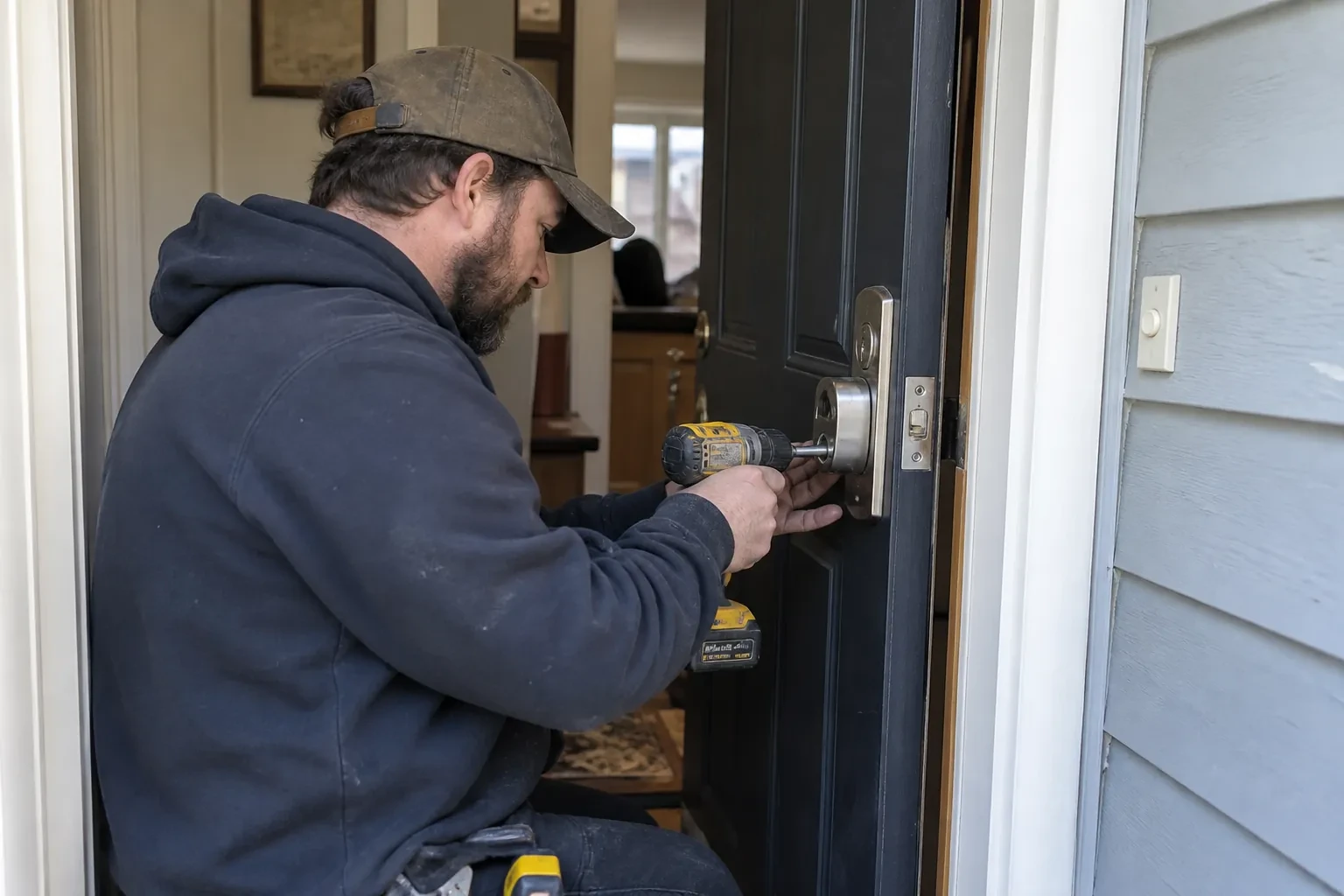
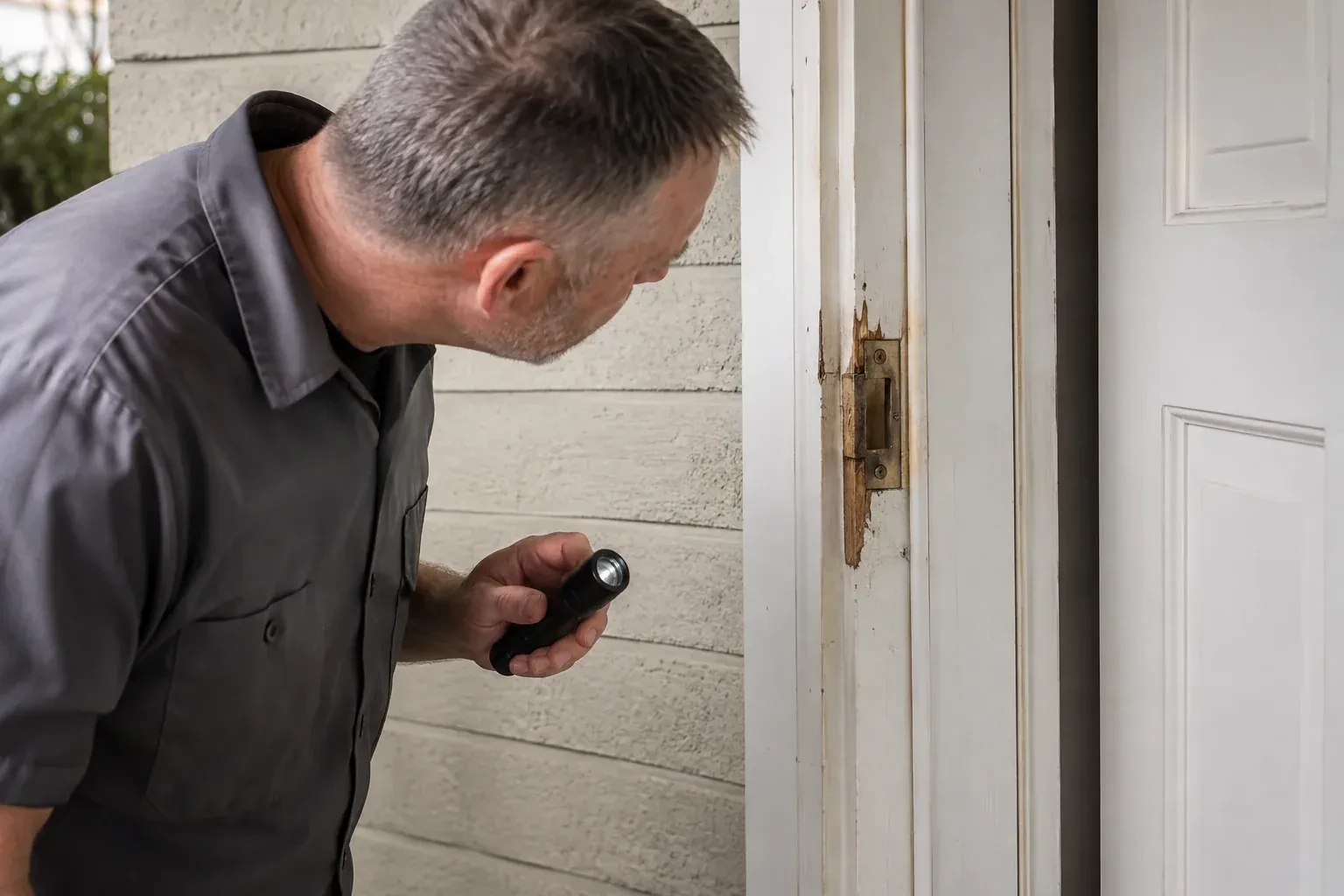
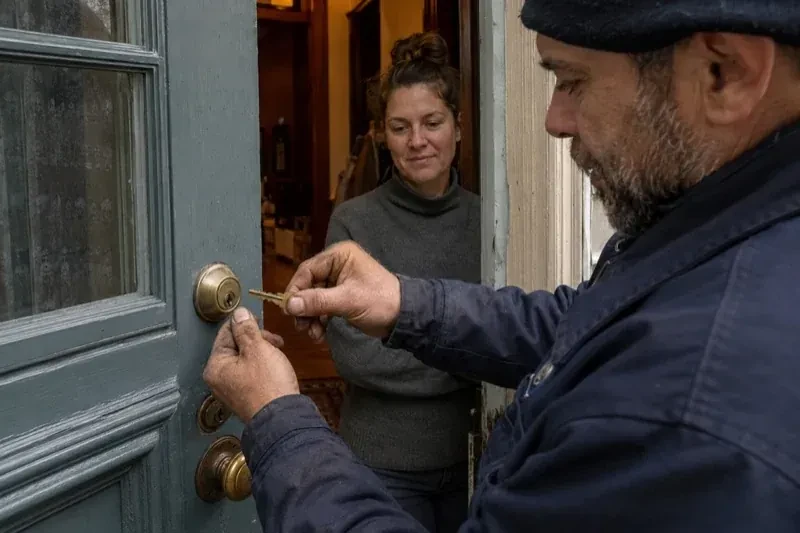
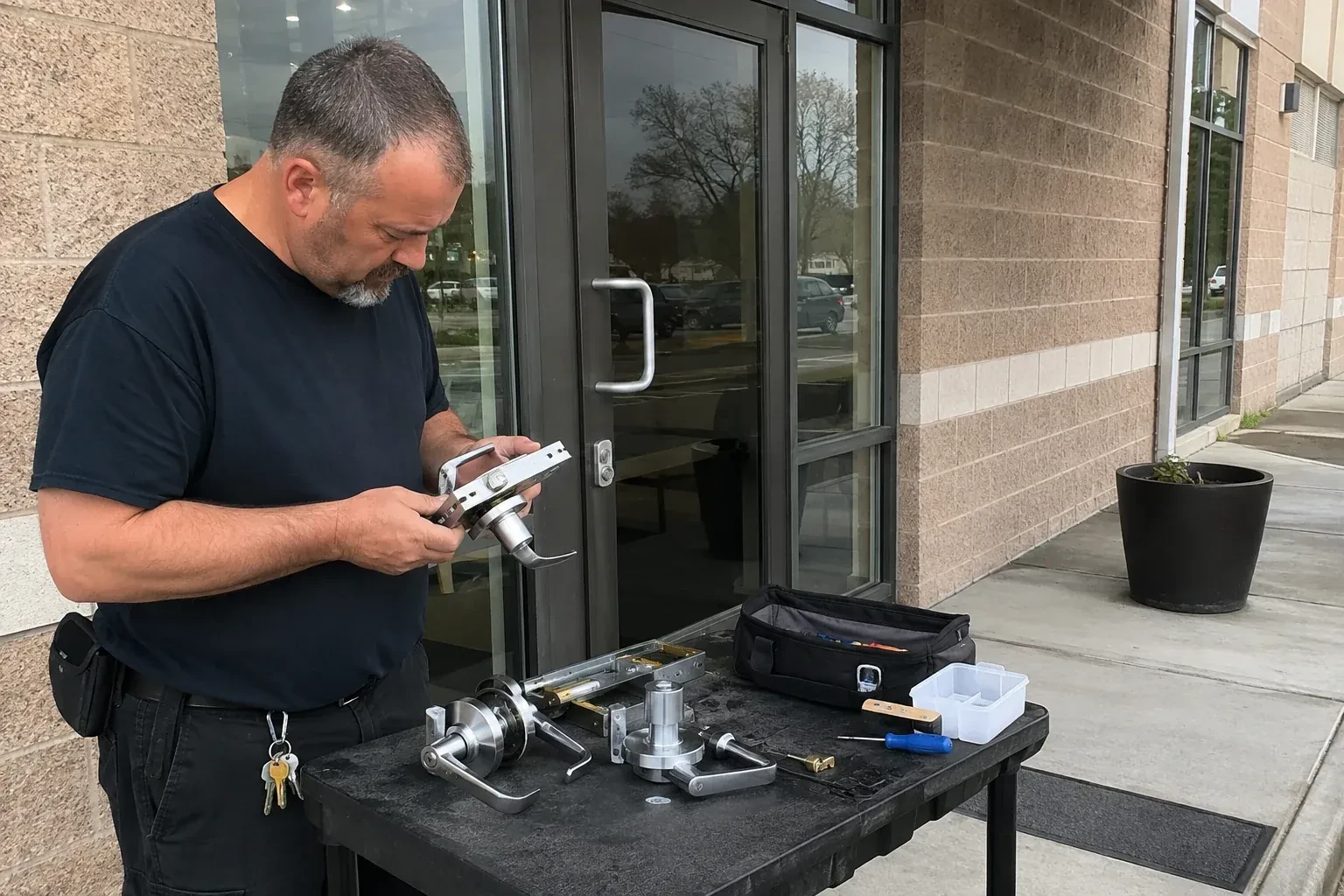
Nobody should have to nod along while a stranger works on their front door. We show you the worn pins, the misaligned strike or the failed spring, describe the choices in ordinary words, and let you decide what happens next.
Nobody should have to nod along while a stranger works on their front door. We show you the worn pins, the misaligned strike or the failed spring, describe the choices in ordinary words, and let you decide what happens next.
Every lock has a story. We listen first.
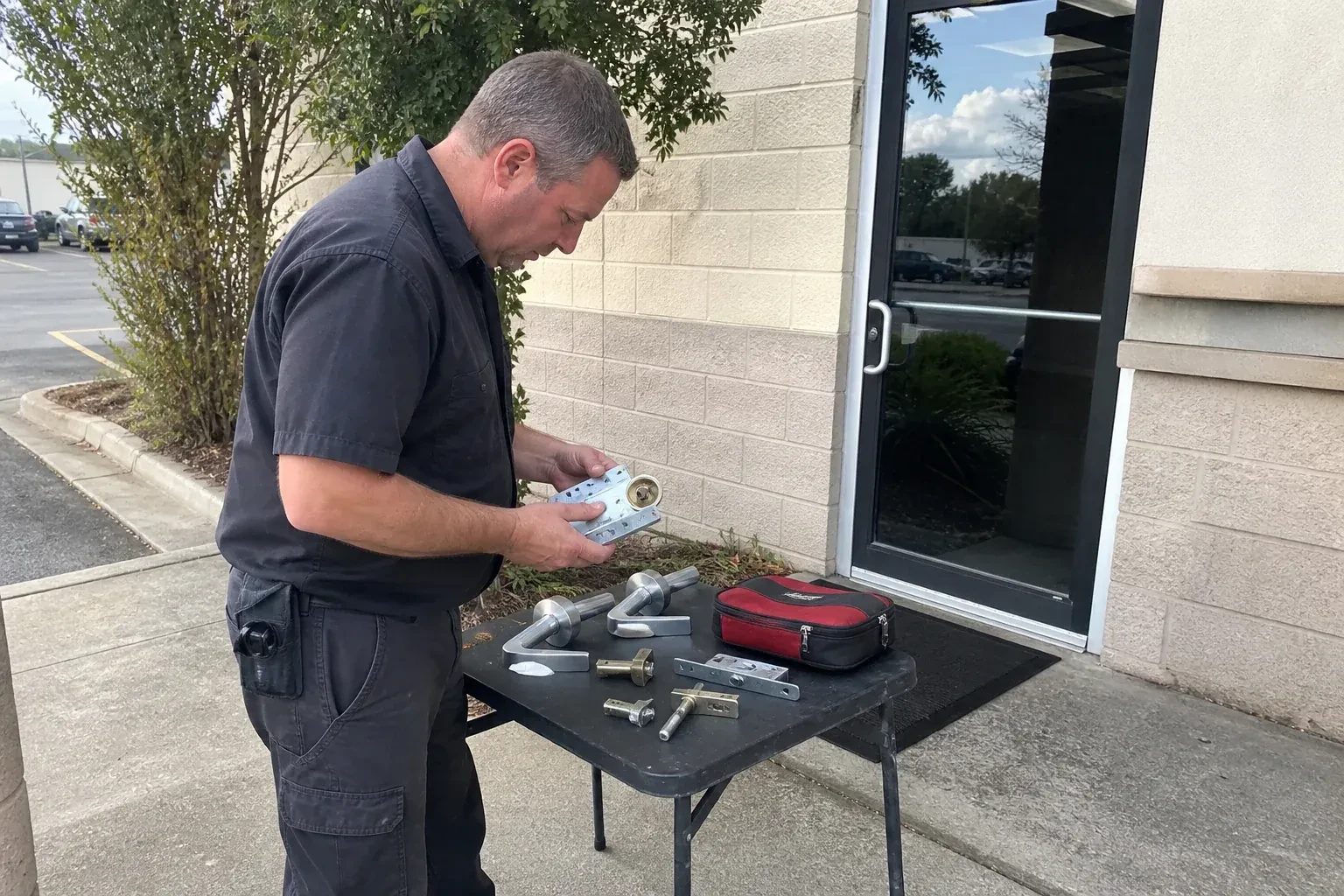
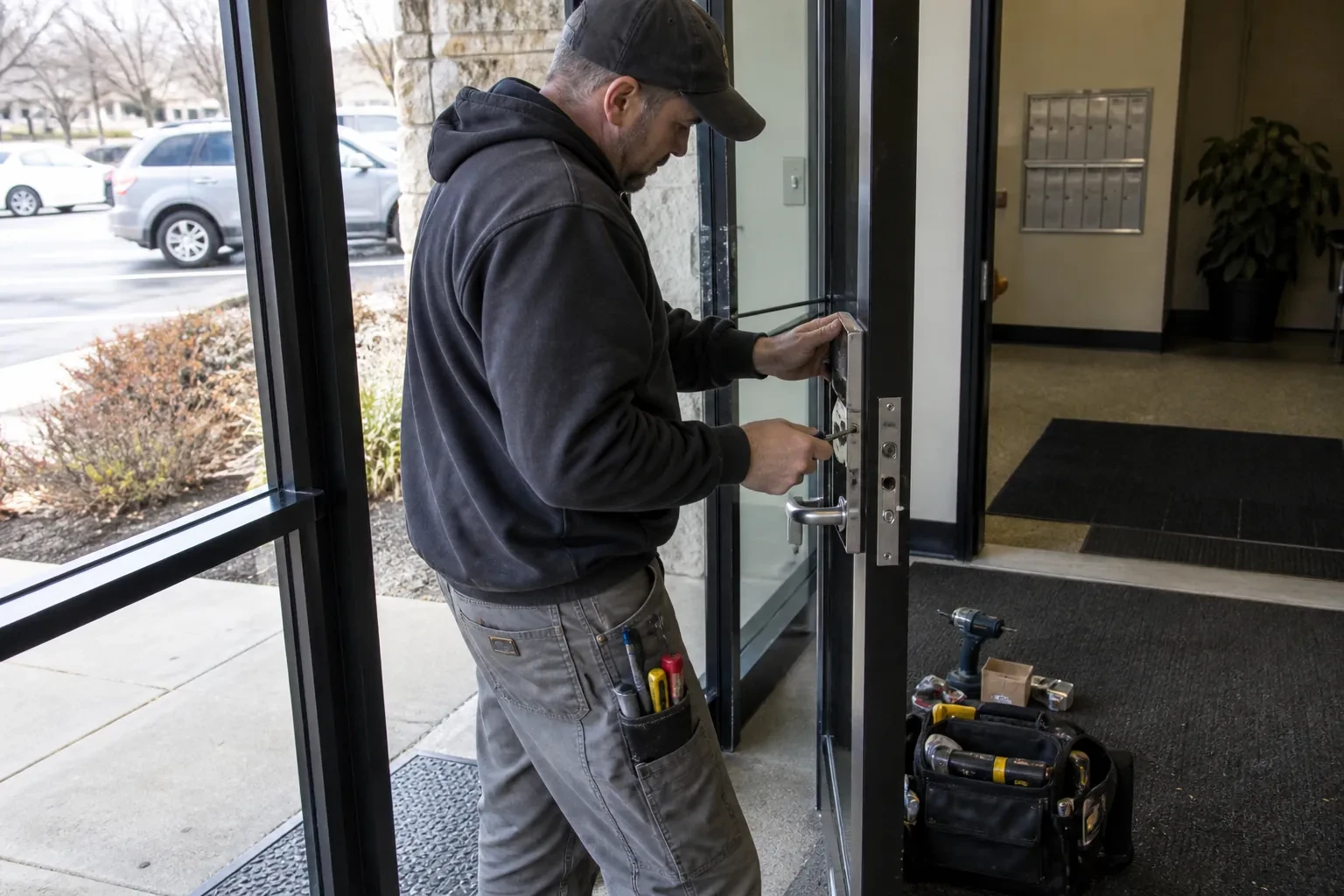
Exit hardware is one place where we do not improvise. A push bar on a fire exit has to release with a single motion and no key, and a door on an escape route has to swing the right way. We install and maintain this hardware properly, and we explain how it works to the person who locks up at night.
The key you reach for. The door you come home to. Good locksmith work begins with understanding how you use them.
11years in business
24/7open every day
You set the pace. We explain, you decide, we work. If you would rather sleep on a bigger change, we do what is needed now and leave the rest for another visit.
The reasoning behind each suggestion. Every recommendation comes with the reason for it, in language that does not require you to know the trade. Ask why as often as you like.
Order restored. Tools packed, dust cleared, doors closed properly. We leave your home or business looking as it did, with the lock problem gone.
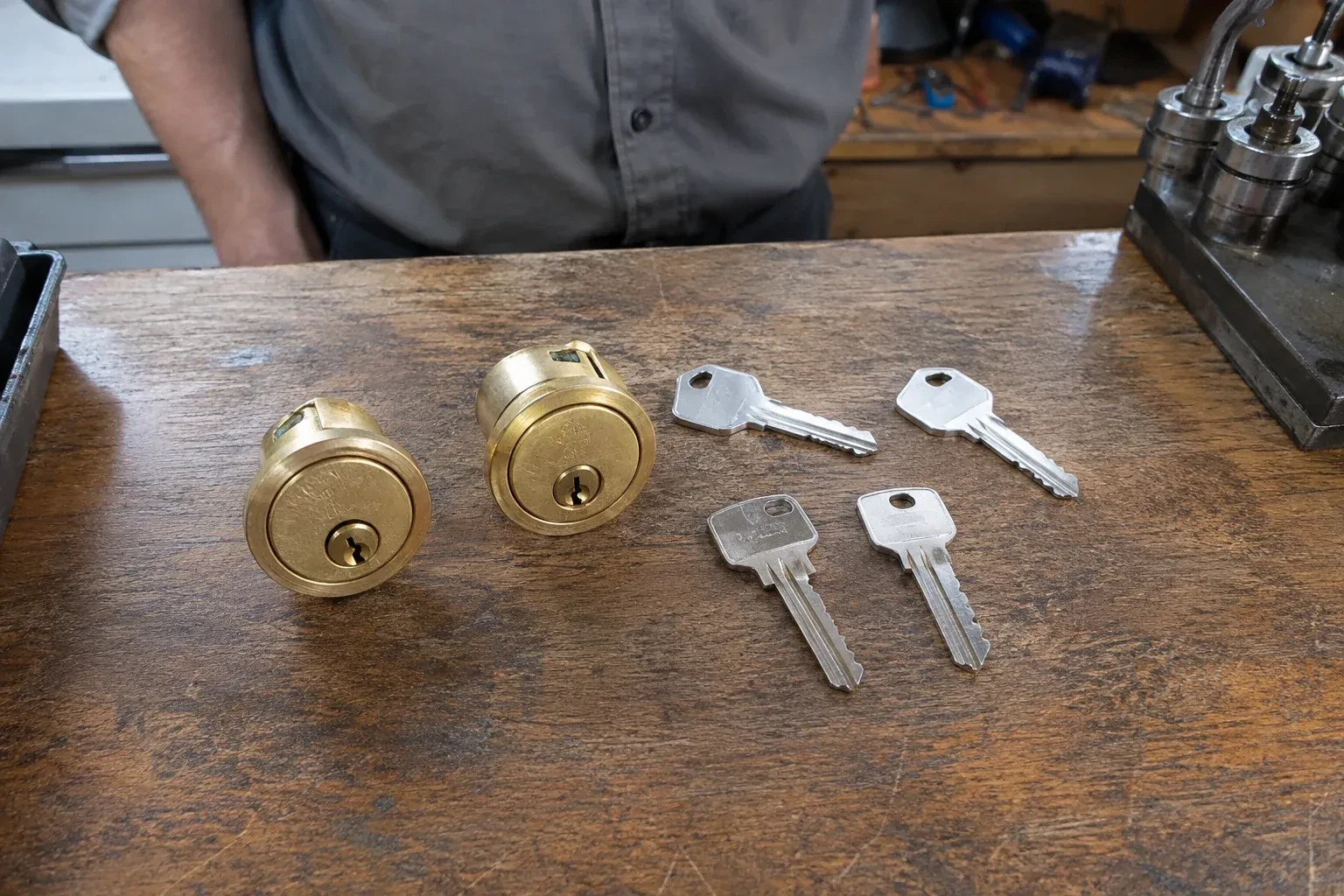
The right service depends on what you want to happen next. Keep the same lock but stop an old key working? That is rekeying. Upgrade to something sturdier? That is replacement. Lost every copy of a car key? That is a different job again. Read on to match your need.
One key for the front door, another for the back, a third for the side door into the garage, and a fourth for the shed. You stand on the step every evening flipping through them in the dark, trying each one until something turns.
A break-in overnight took the cash float and a staff member's bag with her work keys inside it. The glass is being replaced this morning, but the key that opened the door yesterday will still open it tonight unless the cylinders are changed.
Minus eighteen with a wind, and the exterior cylinder on the shop door has frozen solid overnight after yesterday's slush. The key goes in halfway and stops. The delivery driver is due, the phone is ringing inside, and nobody can reach it.
Following a break-in, the instinct is to buy the biggest lock. The better response is to look at how entry was made and strengthen that path first, then consider a cylinder and key system that stops it happening by key rather than by force.
The house is fifteen years old and every exterior door still wears the light hardware the builder fitted: a short bolt, a thin strike held by two small screws, and a knob lock that never suited a street entrance.
Police have come and gone, the occurrence number is on a sticky note, and you are standing in a cold hallway looking at a splintered frame, wondering how the house gets locked before everyone tries to sleep.
Whether you run a single shop or manage several units, this section covers the locks, keys and access hardware that keep a business running. Each page explains the work in plain terms and what to think about before choosing an option.
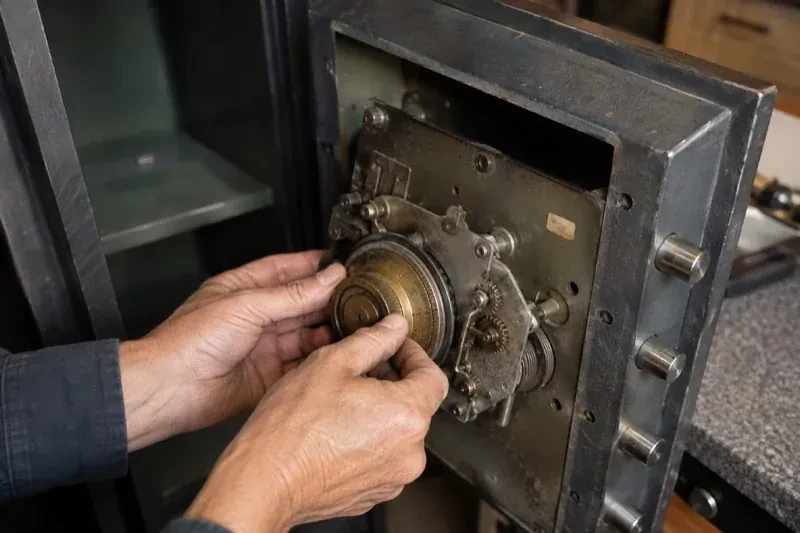
Decades of daily use have left the law firm's old dial safe drifting: the numbers line up close to where they should, never quite enough to drop the bolt.
A community group counts the weekend's raffle and bake-sale cash on a kitchen table, then carries it home in a tote bag until the bank opens Monday, because there has never been anywhere safer to leave it.
Which fix fits?
Your smart lock stopped responding and the app shows nothing.
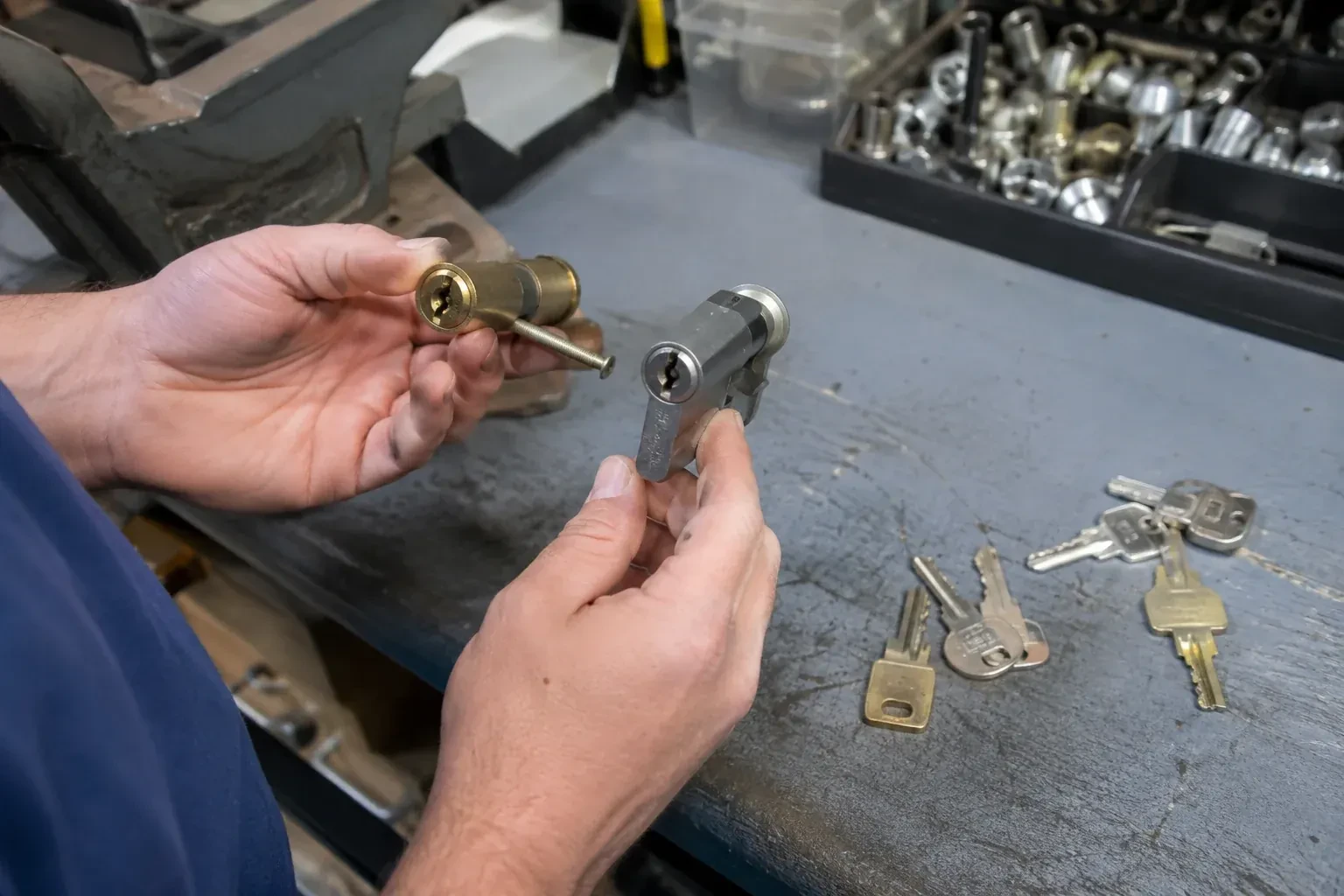
WhyCommercial rekeying changes the pins inside a business's existing lock cylinders so that a new key operates them and every earlier key stops working, while the hardware itself stays on the door.
The new wing was built with its own brand of cylinder, so the two-year-old keys from the original building do not open a single door in the addition.
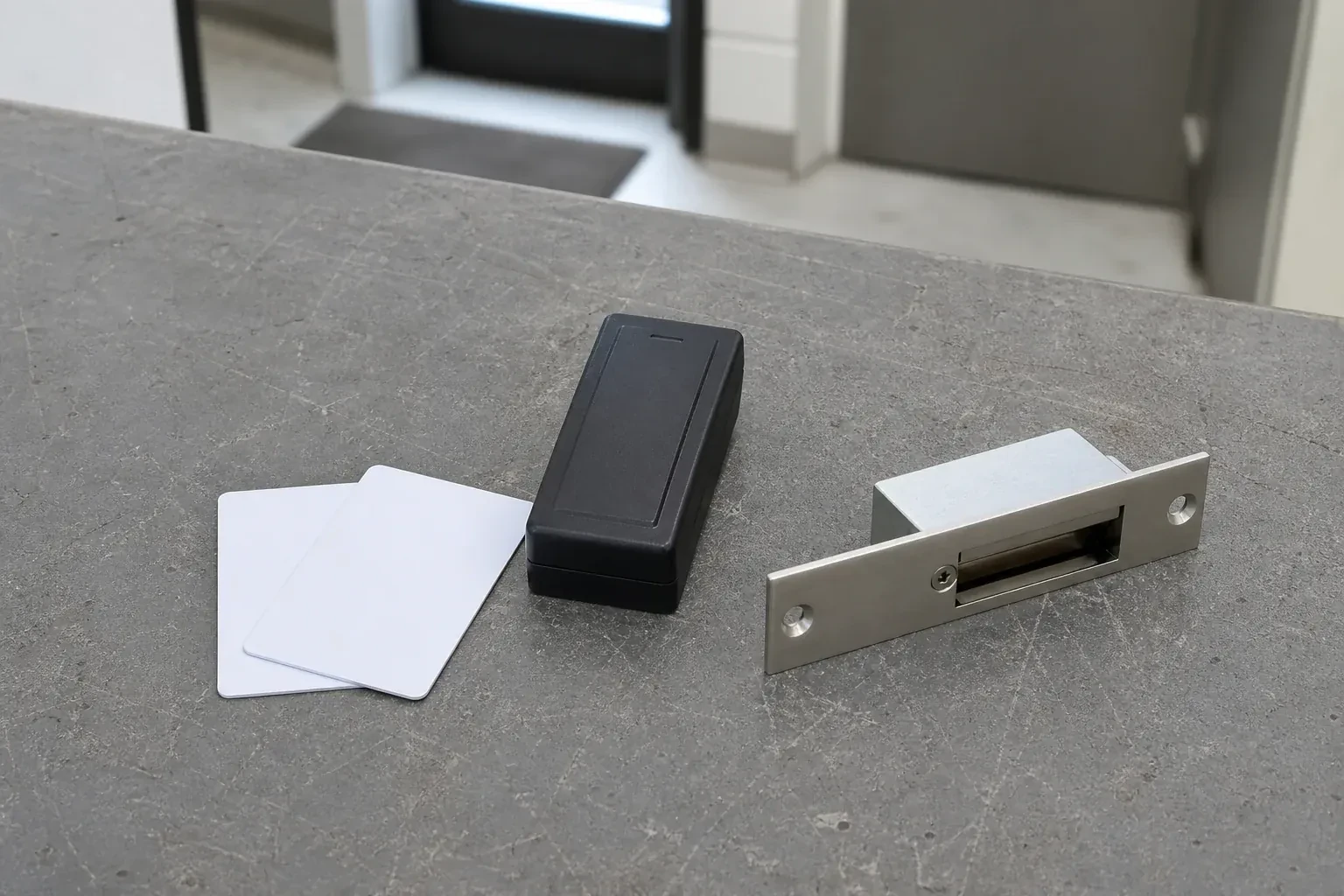
WhyAccess control installation swaps a shared metal key for an electronic one: a card, a fob, a code, or a phone tap that a controller checks against a list the business manages.
How a visit goes
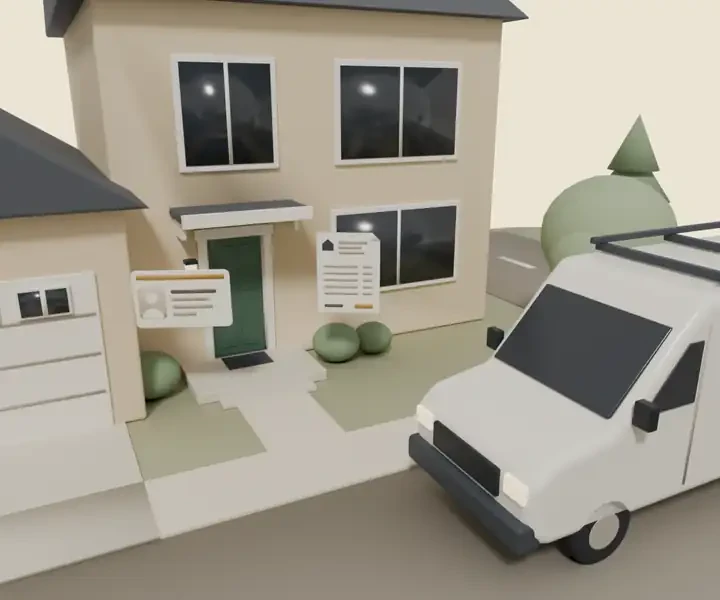
Describe the property, the hardware and what has changed, and the visit starts from what you have seen.
1
2
3
01
Confirming it is your door
Before touching the lock we ask for identification or another way to show you live or work there. It protects you as much as anyone.
02
The gentlest opening that works
Most doors can be picked or bypassed with no damage. We start there and only move to a firmer method if the lock leaves no other choice, explaining as we go.
03
A working lock before we go
Once you are inside we check the lock still turns properly and that you have a key that works. If the lock was the reason you were stuck, we say so.
About 8% of homes in Vaughan were built in 1980 or earlier, according to the 2021 Census.
Newer homes
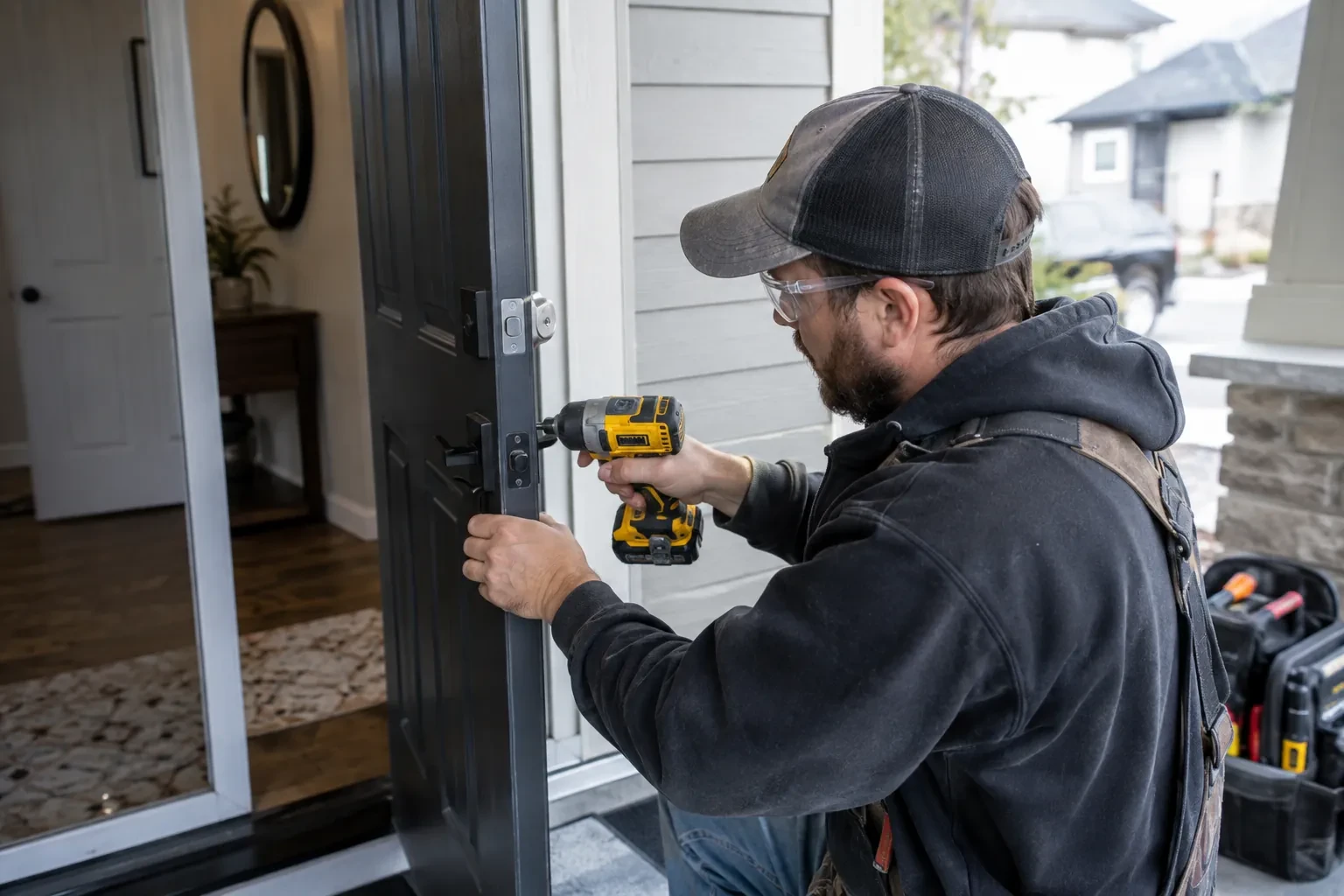
Recent builds often have steel or fibreglass entry doors rather than solid wood. They resist warping and take hardware well, and a locksmith fitting a deadbolt or reinforced strike works with the door's construction so screws bite into something solid.
Single-detached houses make up about 63% of homes in Vaughan (2021 Census).
Mostly houses
Homeowners in houses often want a spare key that lives outside safely. A locksmith can fit a proper key safe or set up a keypad so a hidden key under a pot is no longer part of the plan.
Yes, and many businesses prefer it. The locksmith works one door at a time, finishing and testing each before starting the next, and leaves the main entrance until a quiet moment or until after closing. Doors staff are using are done last and their new keys are handed over first. Where a business would rather nobody sees the work, an early morning or after-hours window is arranged instead.
What is the difference between rekeying a business and replacing its locks?
Rekeying keeps every lock on the door and changes only the pins inside the cylinder, so a new key works and the old ones stop. Replacing swaps the hardware itself. Commercial cylinders are made to be repinned many times, so rekeying suits any lock in sound condition and leaves the levers, trim and door untouched. Replacement is chosen door by door for cylinders that are worn, corroded or too light for what they protect.
We are a landlord with a tenant leaving. When should the unit be rekeyed?
Between tenants is the ideal moment: the departing tenant has handed back their keys, the new one has not yet received any, and the unit is empty for the work. The incoming tenant then starts on keys nobody else has held, and the landlord's own master or emergency key is set up at the same time. Where a lease has ended in dispute, the locksmith asks to see the paperwork before changing locks on a unit that still holds a tenant's goods.
Will my door look different afterwards?
Barely. A high security cylinder sits in the same place as the old one and is usually distinguished only by a different keyway shape and sometimes a hardened collar. A graded deadbolt is a standard-looking deadbolt in your chosen finish. The reinforced strike is longer than the plate it replaces and the wrap-around reinforcer, if used, shows as a neat metal band on the door edge. The difference is felt when you lock up, not seen from the street.
Request a visit
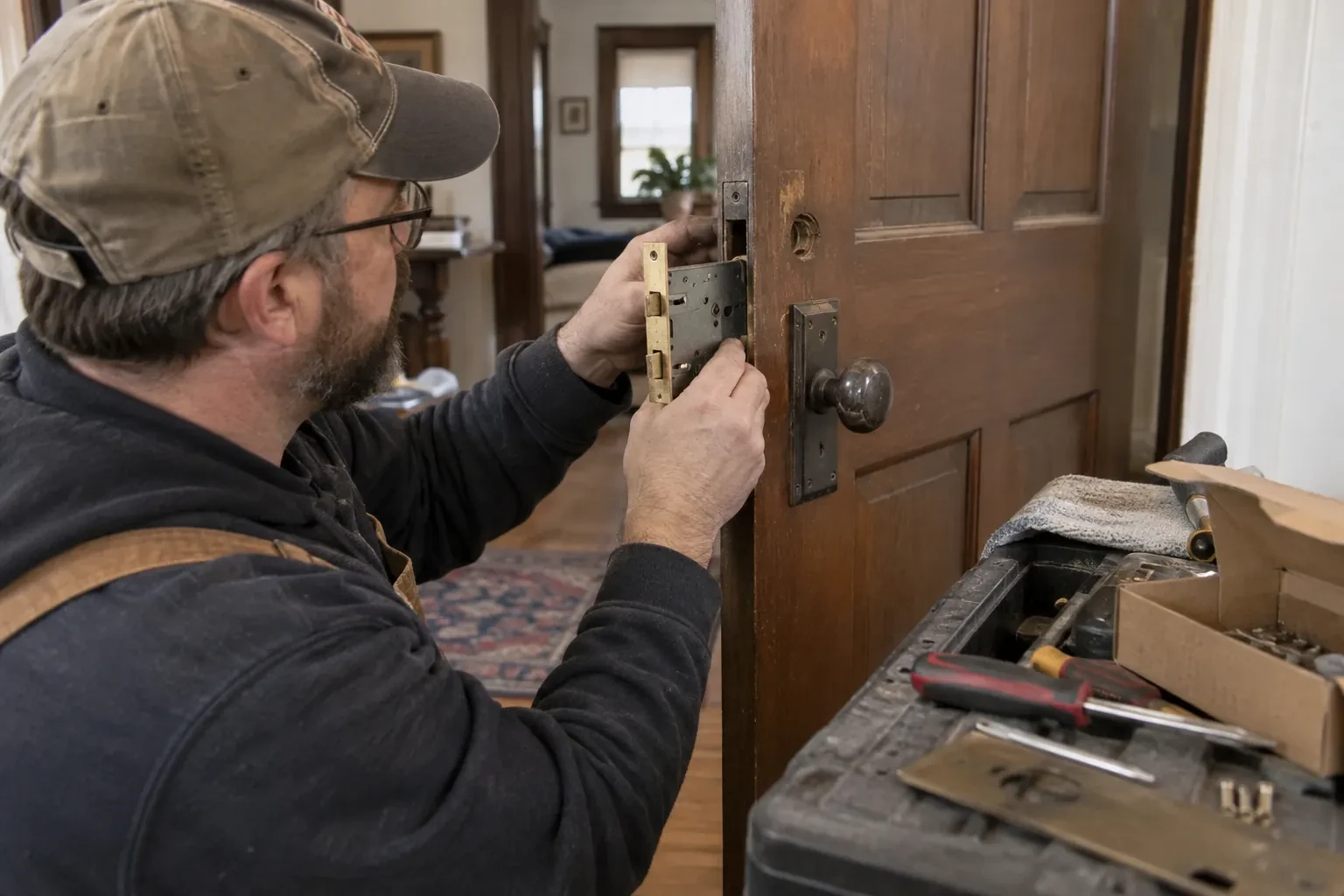
Older houses in Vaughan get a locksmith who respects them. We work around original trim, keep period hardware where it can be kept, and match finishes when something new is needed so the door still looks like it belongs to the house. Modern security can sit behind a hundred-year-old face; that is a matter of choosing parts carefully.