Lockouts · Vaughan
Business Lockout Service
After last night's power flicker the card reader beside the clinic door shows nothing.
In plain words
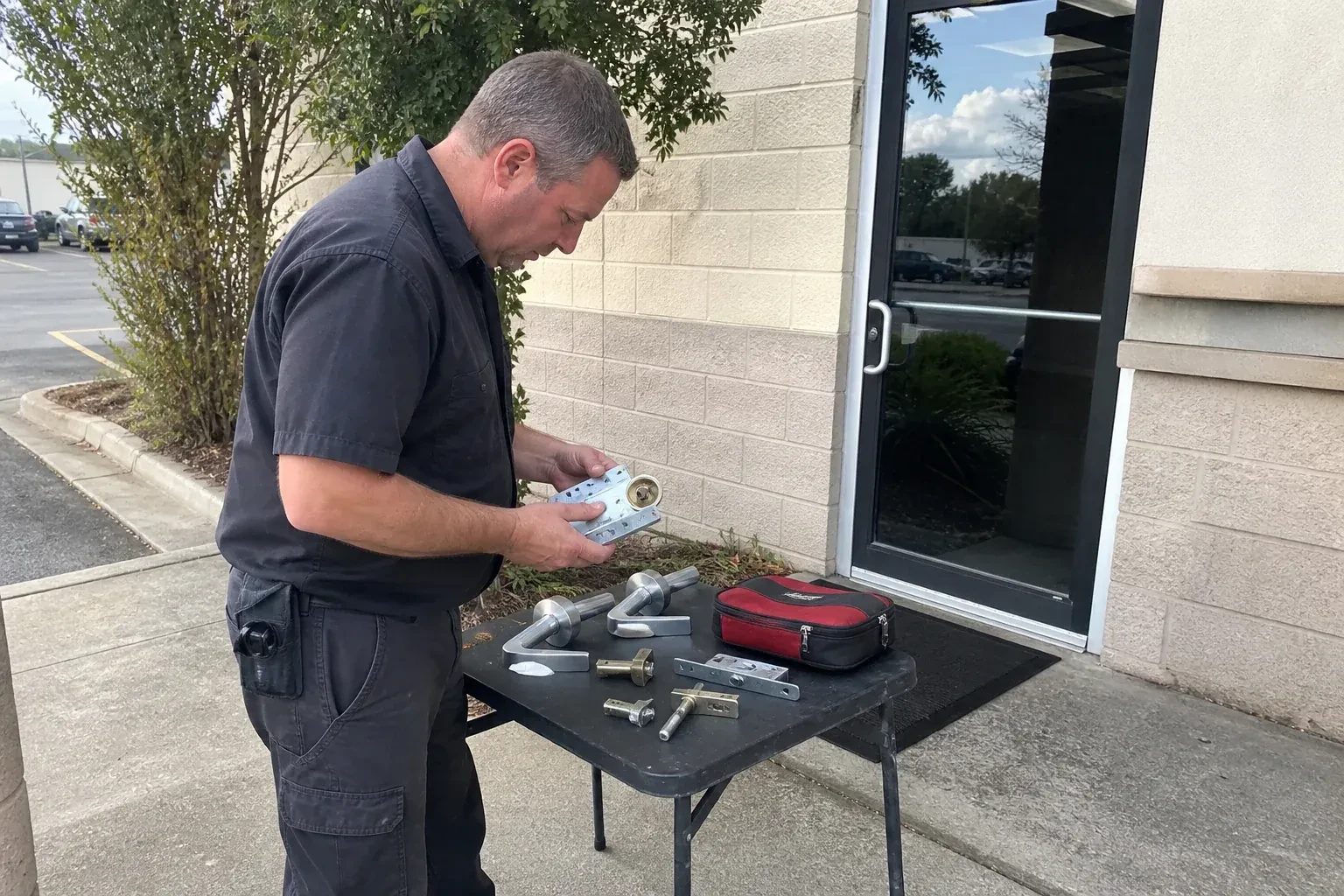
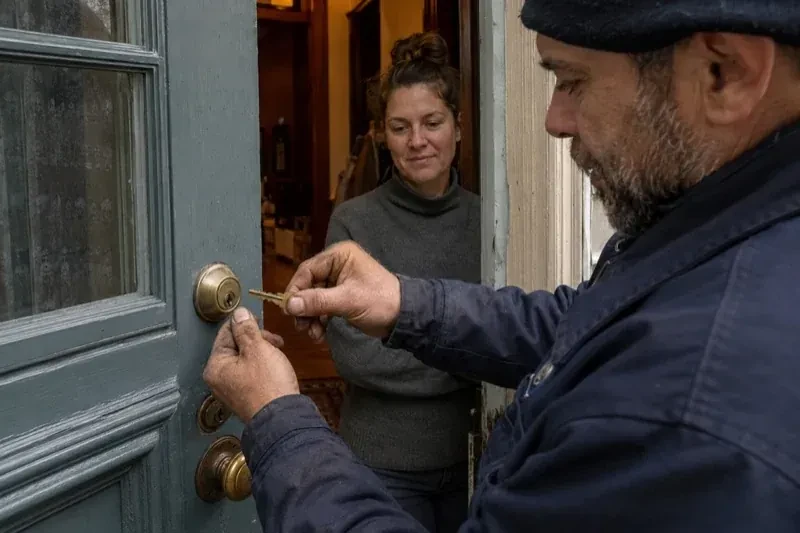
A locked business loses trading time, so the visit is arranged around getting people back to work. The locksmith opens the door first and settles the cause second: a snapped key is extracted and the cylinder checked, a lost key leads to rekeying while staff open up, a failed deadlatch spring is replaced before the door is trusted again. What matters as much as the opening is closing time. Every door worked on is locked and unlocked from both sides before the locksmith leaves, so the person doing the final walk-round that evening has no surprises and the premises are as secure as they were before.
How the visit goesMinus eighteen with a wind, and the exterior cylinder on the shop door has frozen solid overnight after yesterday's slush. The key goes in halfway and stops. The delivery driver is due, the phone is ringing inside, and nobody can reach it.
Business Lockout Service
How the visit goes
How the door hangs and closes
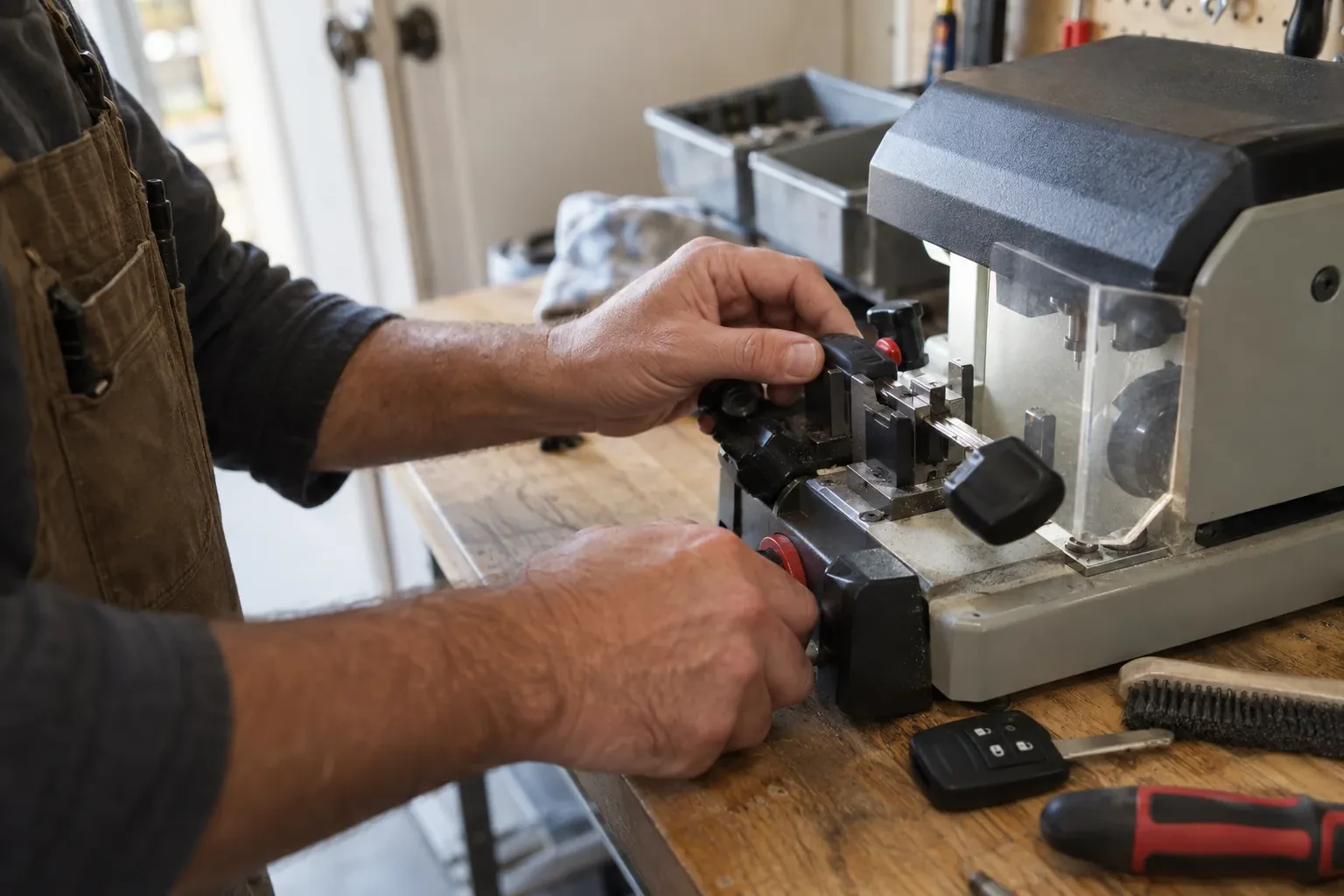
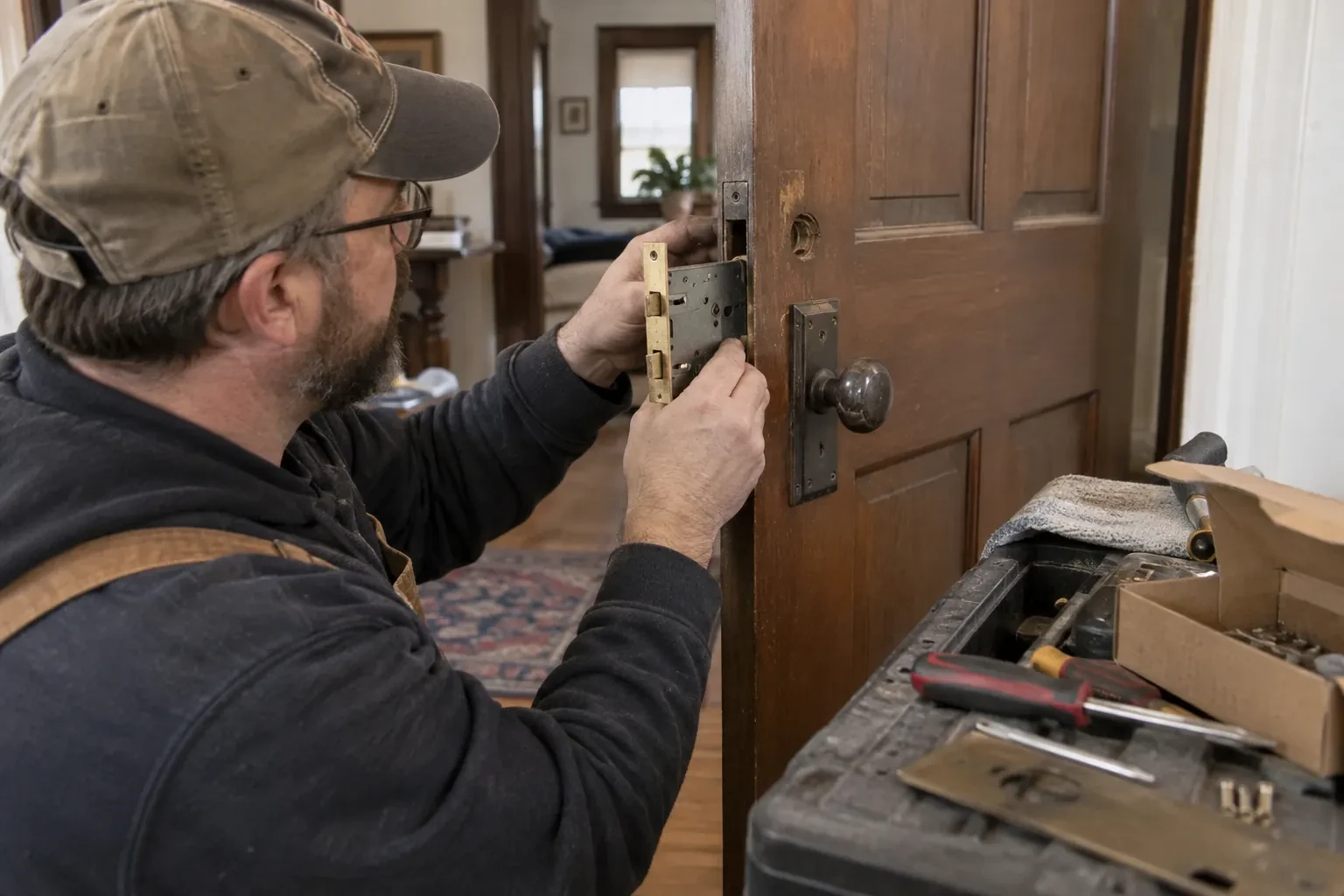
Commercial doors are heavy and busy, so the locksmith reads the door as carefully as the lock. A glass door is checked at its pivots or continuous hinge for drop and play, and at the threshold for scrape marks that show it has sagged. The closer is checked for a slow or stiff sweep that leaves the door short of the strike. The gap along the lock edge tells whether the bolt is entering its pocket square or catching its lip. A hand on the door while the key is turned often reveals that the bolt is bound rather than the cylinder failed, which changes the fix from lock work to lifting and adjusting the door.
Opening an aluminium storefront door
The narrow stile of a glass storefront door carries a mortise cylinder that turns a cam inside a slim lock case. The locksmith picks or decodes that cylinder, then works the cam through its full travel to draw the hookbolt out of the frame or lift the deadlatch. A hookbolt hangs into its strike and cannot be pushed back with a shim, so the cylinder is the honest route in. Once open, the cylinder's set screw and cam alignment are checked, because a cam that has slipped a few degrees is a common reason the key stopped working, and the paddle inside is tested so staff can leave through the same door without a key.
A written record for the business file
You leave with a plain account of the visit: which door was opened, the method used, whether any cylinder was drilled and replaced, what hardware was fitted, how many keys were cut and to whom they were handed. It notes the condition the hardware was found in, including anything worn or damaged before the locksmith arrived. Property managers ask for this when a unit's locks change, insurers ask for it after a loss, and franchise head offices ask for it as a matter of routine. It also makes the next service call shorter, because the person answering the phone can read what is on the door instead of guessing.
Business Lockout Service
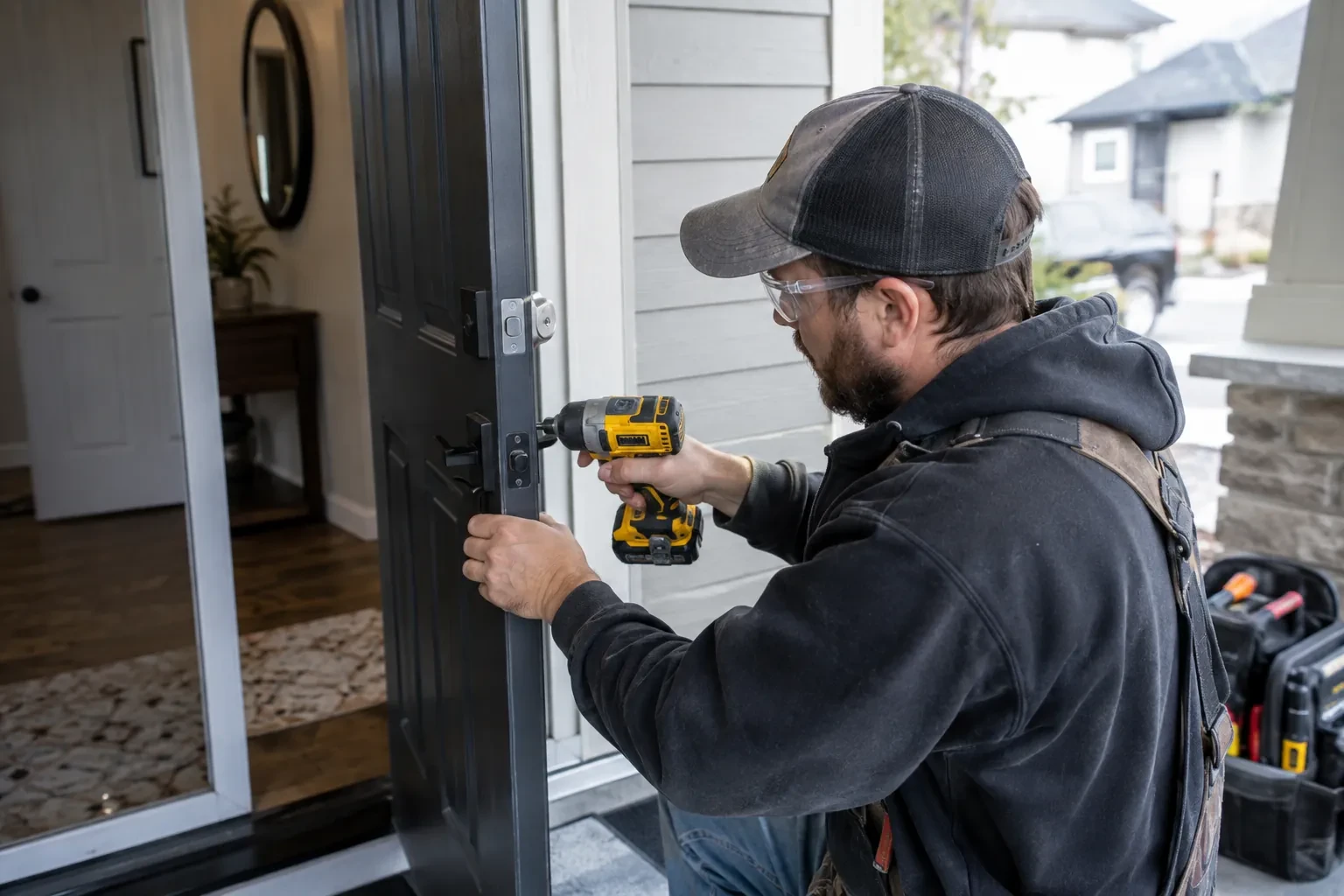
In the van
Broken key extractors
Storefront deadlatch and hookbolt bypass tools
Control keys and core-removal tools
Storefront deadlock and deadlatch bodies
Interchangeable cores pinned to system
Business Lockout Service
What affects the quote
Cold weather on the day
A cylinder frozen solid, a door iced to its threshold or a closer stiff with cold fluid means patient thawing before the opening can start, and a winter call is quoted with that time in mind.
How many doors are involved
One front door is the simplest visit. A front door, a rear exit device, a roll-up padlock and a cash office add hardware to open and, often, cylinders to key alike afterwards.
Drilling and a replacement cylinder
If a seized or blocked cylinder has to be drilled, the quote gains a new commercial cylinder or core and the labour to fit and key it. This is explained before the drill comes out.
What to have ready
- Are there other doors, a roll-up shutter, a gate or a padlock you also need opened?
- Has a key gone missing or left with a former employee, so that rekeying should follow?
- Does the building have a property manager or a master key system for the unit?
Business Lockout Service: questions
QuestionsWe need to open for customers. How do you sequence the visit?
Entry comes first and repairs second. Once authority is confirmed the door is opened, staff go in and start their routine, and the locksmith turns to the cause: extracting a broken key, rekeying for a lost one, re-springing a deadlatch or lifting a dropped door. Anything that can wait for a quieter hour, such as rekeying interior doors, is offered as a return visit so the shop floor is not blocked while it trades.
What should I have ready when I call?
The address and unit number, which door you are outside, what the lock looks like, and where the keys are: with someone, lost, broken or simply refusing. Say whether there is an alarm or a card reader on the door, who can disarm or confirm your authority, and whether the building has a property manager. If you can send a photo of the lock and the door edge, the right cylinders and cores come on the first trip.
Will opening our glass storefront door damage it?
In almost every case the door, the glass and the lock are untouched. The mortise cylinder in the narrow stile is picked or decoded so the cam turns exactly as it would for your key, and the hookbolt or latch withdraws. Drilling comes up when a cylinder has seized, is packed with a broken key, or its security features and condition rule out a clean non-destructive opening, and if it comes to that you hear about it first and a new cylinder goes in during the same visit.
Related services
- Broken Key ExtractionThe padlock on the shed has been stiff all summer.
- Break-In Damage Lock RepairPolice have come and gone, the occurrence number is on a sticky note, and you are standing in a cold hallway looking at a splintered frame, wondering how the house gets locked before everyone tries to sleep.
- Seized & Jammed Lock OpeningThe lock works, but only if you lean on the door with your hip while turning the key.