High security · Maple
High Security Locks in Maple
A colleague showed you a video of a lock being opened with a bump key in a few seconds.
In plain words
Think of the upgrade as four layers working together. The cylinder resists picking, bumping and drilling. The deadbolt resists sawing and kicking with a long, hardened bolt. The strike and screws keep the frame from splitting when the door is struck. And the key control stops copies being made without your say-so. A locksmith assesses your door for each layer and tells you where it is weak, because a strong cylinder screwed into a soft frame gains you little. Most homes end up with a graded deadbolt and a patented cylinder; businesses often step up to laboratory-rated cylinders and heavier lock bodies.
How the visit goesYour shop has had four employees leave in two years and each one had a key. Rekeying every time is getting old, and the hardware store will cut a copy for anyone who walks in with the original.
High Security Locks
How the visit goes
What the door is protecting
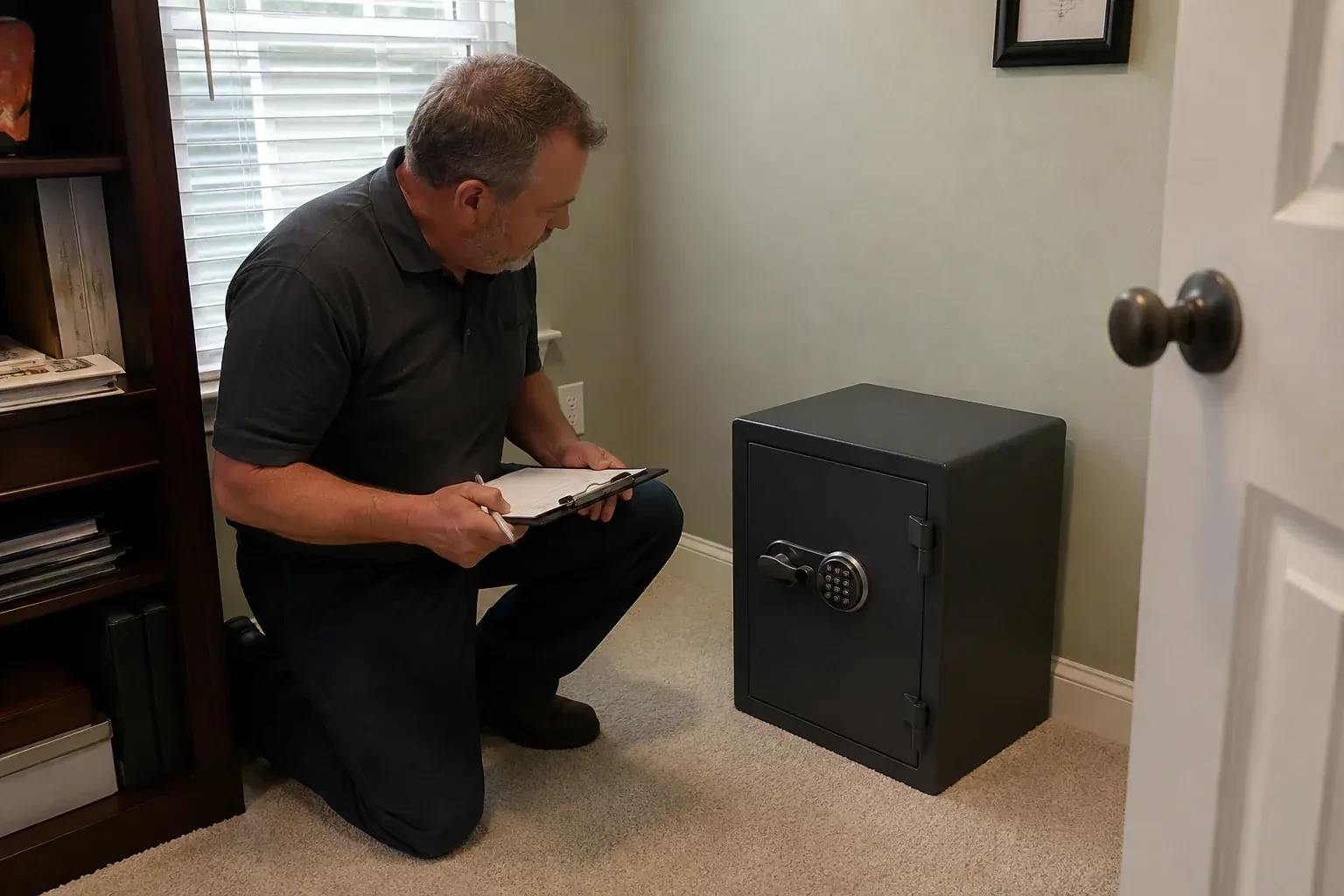
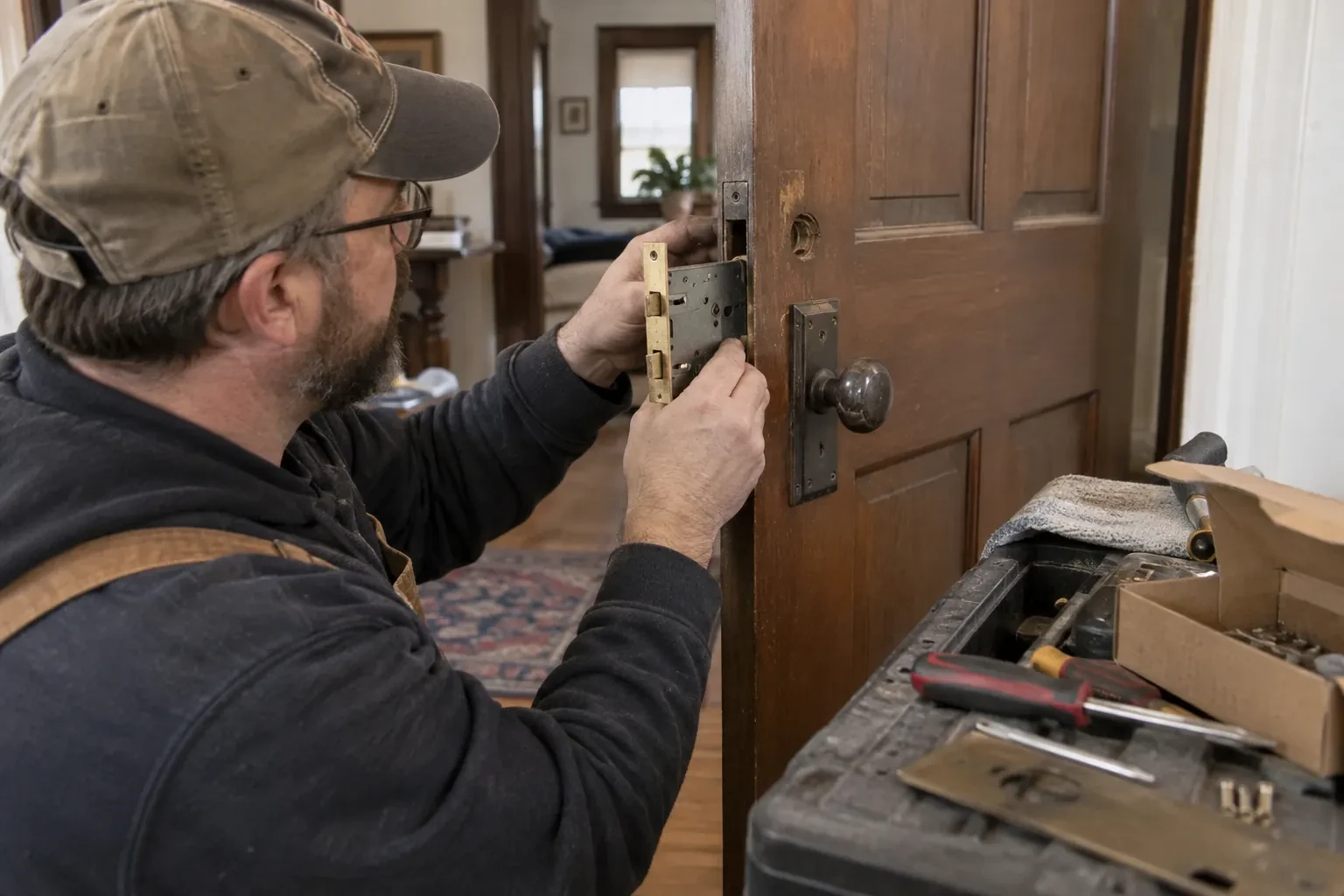
The assessment starts with a question rather than a tape measure: what is behind this door, and what has made you think about it now? A front door on a family home, a stockroom with prescription drugs and a server closet in an office carry different risks and deserve different levels of hardware. The locksmith also asks who has keys today and how sure you are of that count. Those answers decide whether the right answer is a graded deadbolt with a controlled key, a laboratory-rated cylinder in a heavy lock body, or a small keyed system across several doors. Spending goes where the risk actually sits.
Upgrading the cylinder in place
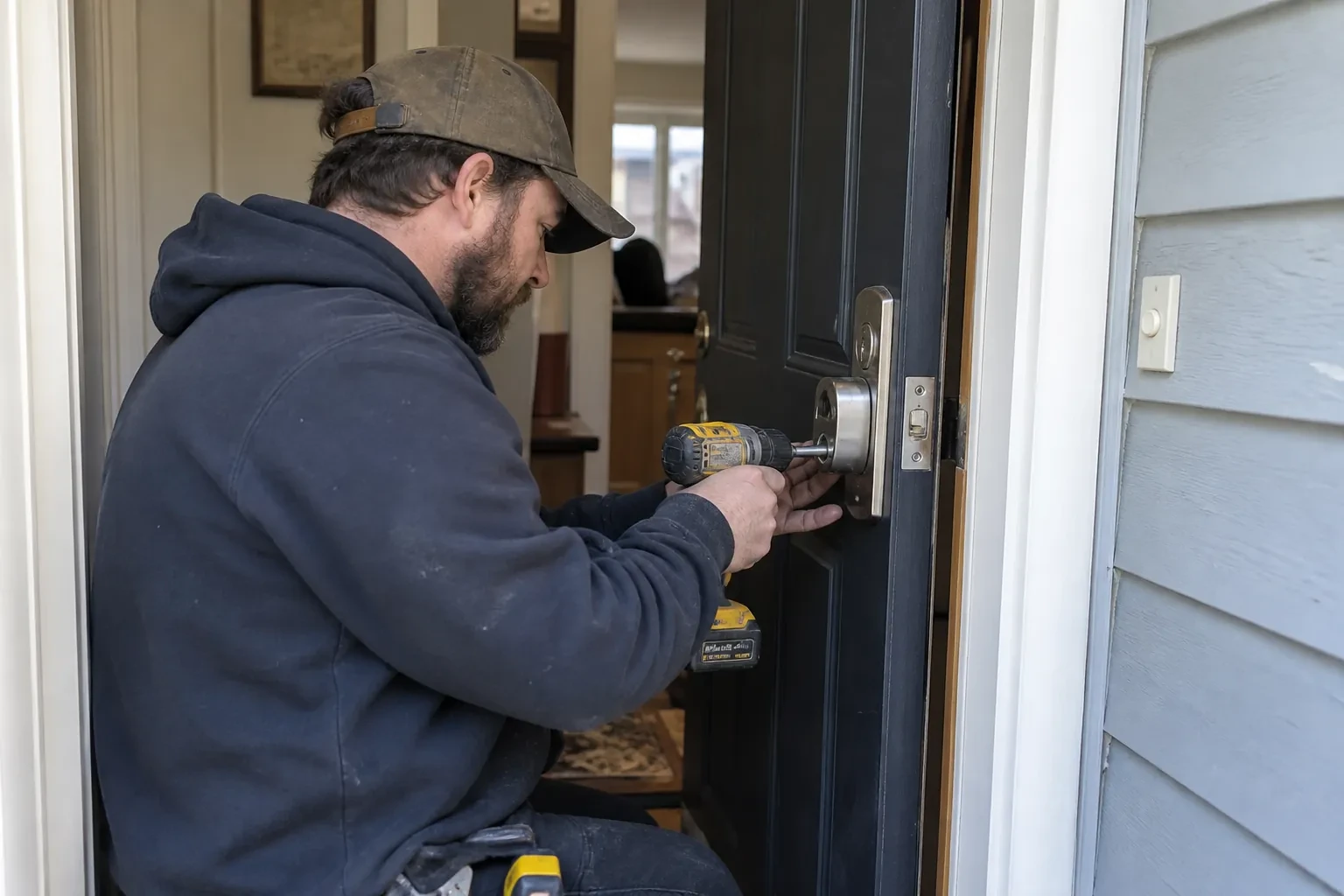
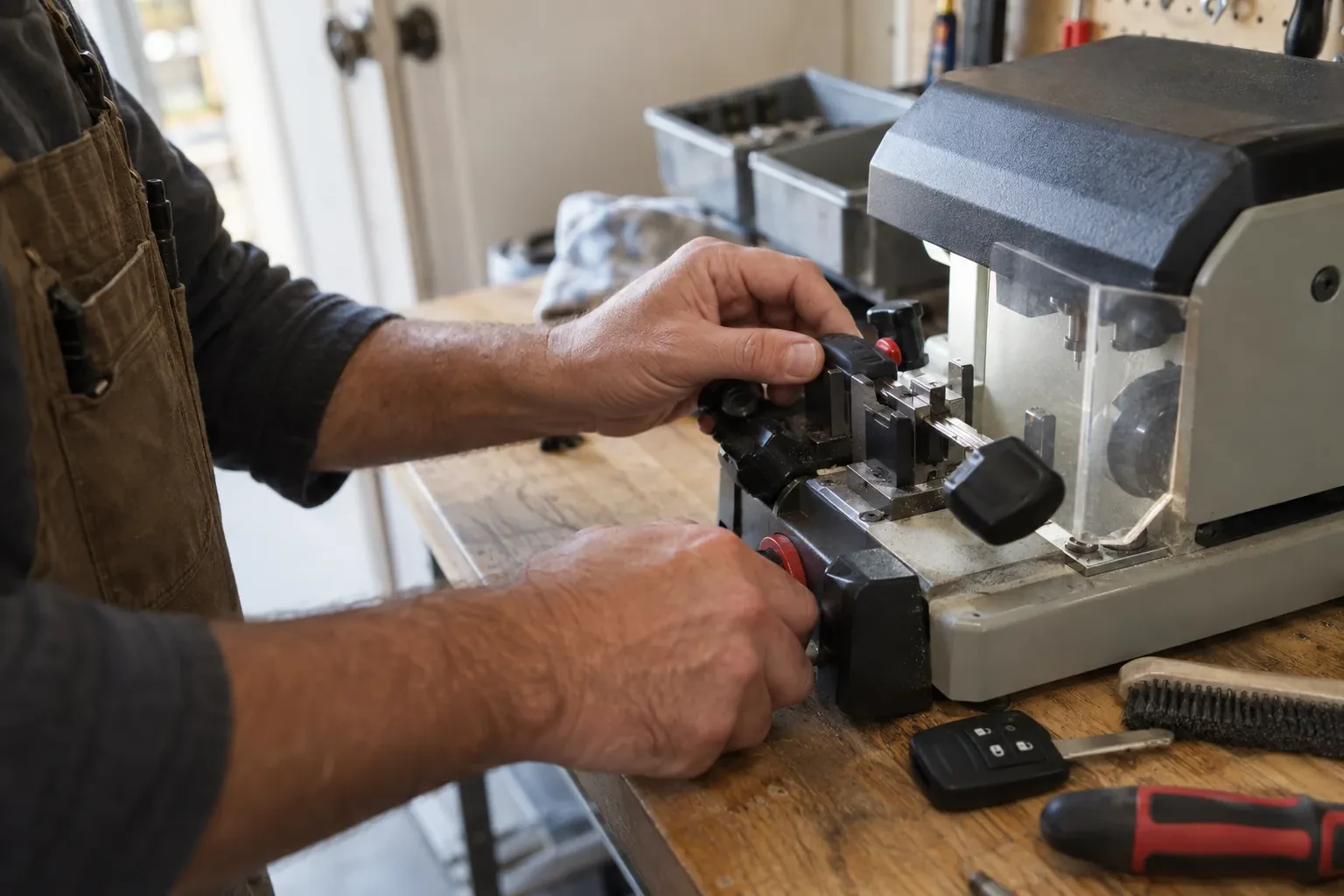
Where the existing lock body is sound, the locksmith removes the ordinary cylinder and fits a high-security one of the same format, so your deadbolt or lever stays and only the working heart changes. The new cylinder brings a sidebar released by finger or rotating pins, hardened steel inserts in the path of a drill, and a keyway that accepts only the controlled blank. Keys are cut from code on a machine that handles the side bitting. The tailpiece or cam is matched so the bolt throws fully, then the cylinder is fixed with its set screw and tested with every key.
Looking after a precision cylinder
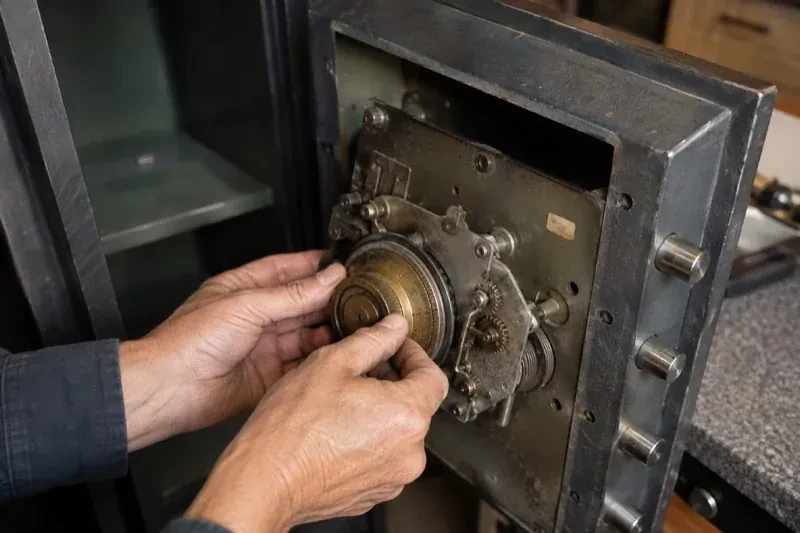
High-security cylinders are finer mechanisms than the pin tumblers they replace, and a little care keeps them turning sweetly. Use only the dry lubricant the locksmith recommends, once or twice a year and sparingly, and never household oil, which gathers grit around the finger pins and sidebar. In cold weather, if the key resists, warm it in your hand or use a de-icer rather than forcing it. Insert the key fully before turning. Keep a spare key indoors so a bent or worn key is retired rather than pushed on. Treated this way, the cylinder outlasts the door around it.
High Security Locks
In the van
Code key cutting machine
Three-inch strike and hinge screws
High-security cylinder
Key control authorisation card
Box strike
High Security Locks
What affects the quote
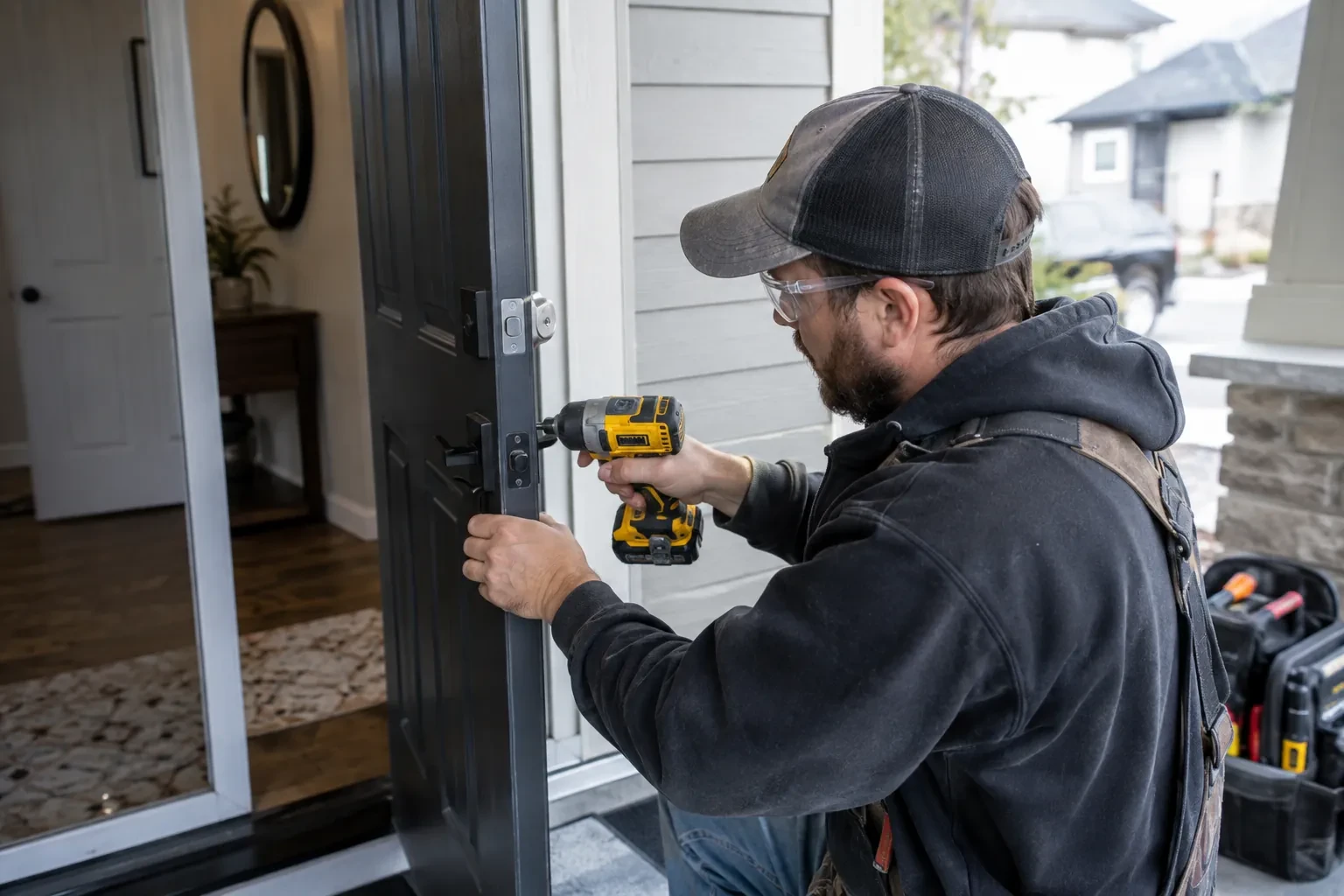
Strike and frame reinforcement
A reinforced strike with long screws is modest work on a healthy frame. Deepening the pocket, filling split wood, fitting a jamb plate or a wrap-around reinforcer adds materials and time.
Cylinder rating and format
A patented residential cylinder, a laboratory-rated commercial cylinder and an interchangeable core sit at different points on the scale, and the format that fits your present hardware decides which lines are available.
Cylinder only or full deadbolt
Swapping the cylinder inside a sound deadbolt is a smaller job than fitting a new graded deadbolt through the door, and a knob-only door that needs a fresh bore is bigger again.
What to have ready
- How many exterior doors do you want included?
- What does the door protect, and what prompted you to think about upgrading now?
- Does the door drag, stick in cold weather or need lifting to lock?
High Security Locks: questions
QuestionsWill my door look different afterwards?
Barely. A high security cylinder sits in the same place as the old one and is usually distinguished only by a different keyway shape and sometimes a hardened collar. A graded deadbolt is a standard-looking deadbolt in your chosen finish. The reinforced strike is longer than the plate it replaces and the wrap-around reinforcer, if used, shows as a neat metal band on the door edge. The difference is felt when you lock up, not seen from the street.
What actually makes a lock high security?
Three things working together. The cylinder has a second locking mechanism, usually a sidebar released by finger pins or rotating pins, plus hardened steel in the path of a drill, so picking, bumping and drilling take far longer than on an ordinary lock. The deadbolt and strike are heavier and fastened into the framing. And the key is cut on a patented or restricted blank that only an authorised person can have copied. Remove any one and the door is weaker than the label suggests.
Can a hardware store or kiosk copy my new key?
No. The blank for a patented keyway is distributed only through the manufacturer's network to locksmiths who hold the system, and the side milling or angled cuts need a machine set up for that line. A kiosk would have neither the blank nor the cut. Extra keys come through your locksmith, cut from code, once an authorised person has approved the order. That routine is a small inconvenience compared with never knowing who has a copy.