Car keys · Maple
Transponder Key Programming in Maple
Every key that ever opened the car is gone at once, one taken with a stolen bag, the spare misplaced months ago and never replaced.
In plain words
A modern car key is often two systems living in one housing: the transponder, a chip with no battery of its own that only the immobilizer needs to see, and the fob, a battery-powered remote that handles locking, unlocking and alarm functions from a distance. Programming a transponder key addresses the first system, letting the engine start, while pairing the fob addresses the second, restoring the buttons. A key can pass one test and fail the other, so both get checked before the visit is finished.
How the visit goesEvery key that ever opened the car is gone at once, one taken with a stolen bag, the spare misplaced months ago and never replaced. There is no working key left anywhere in the house, the garage, or a coat pocket, and the car sits exactly where it was parked.
Transponder Key Programming
How the visit goes
Whether the lock and the immobilizer agree
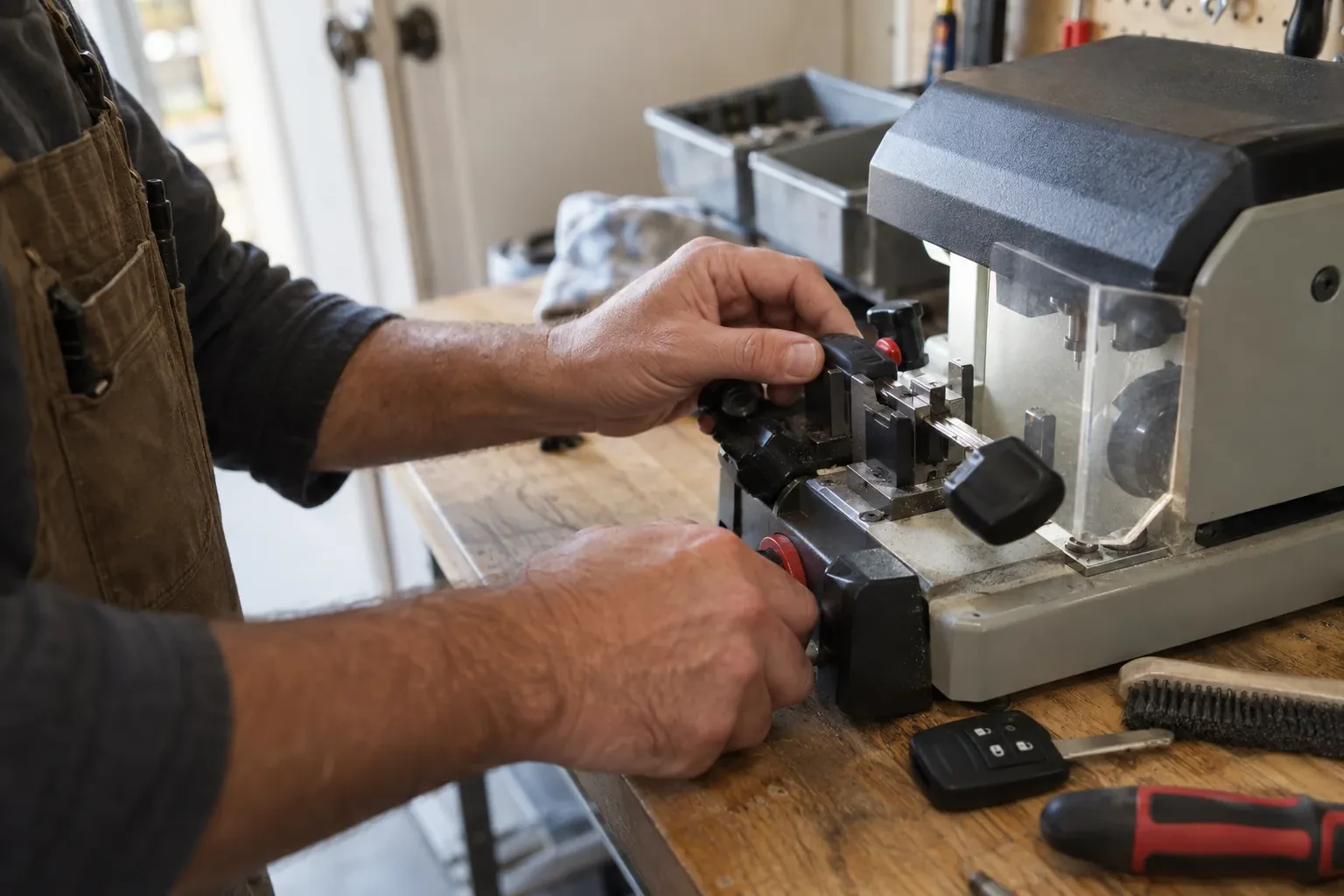
A key has two jobs: turning the mechanical lock and satisfying the electronic immobilizer, and the two are checked separately before any programming starts. A blade can be cut perfectly and still fail the second test if the wrong chip family ends up in its head. Confirming both together, rather than assuming a good mechanical fit means the electronics will follow, is what keeps a finished key from turning the lock politely while leaving the engine exactly as unresponsive as it was.
Reading the vehicle before writing anything to it
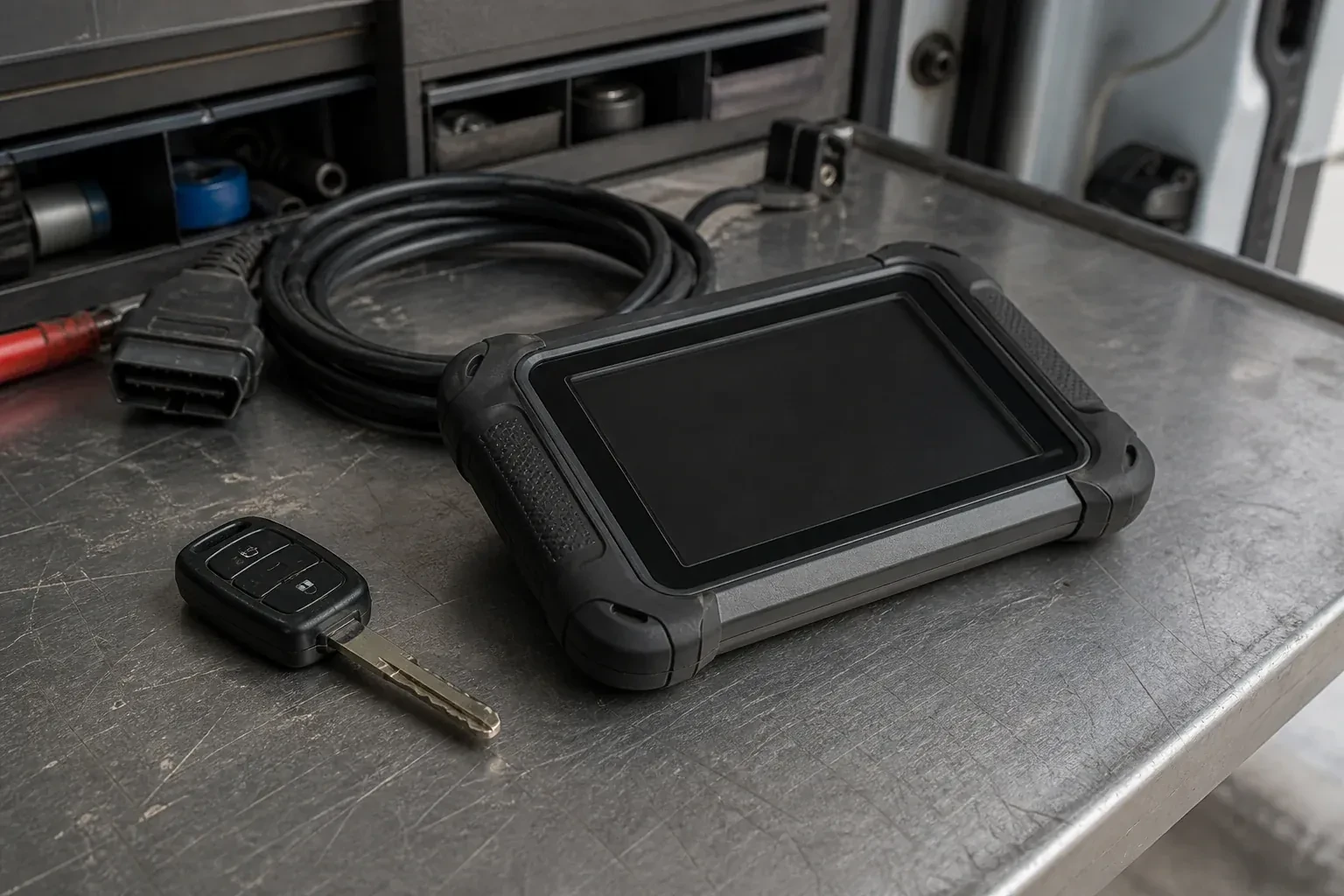
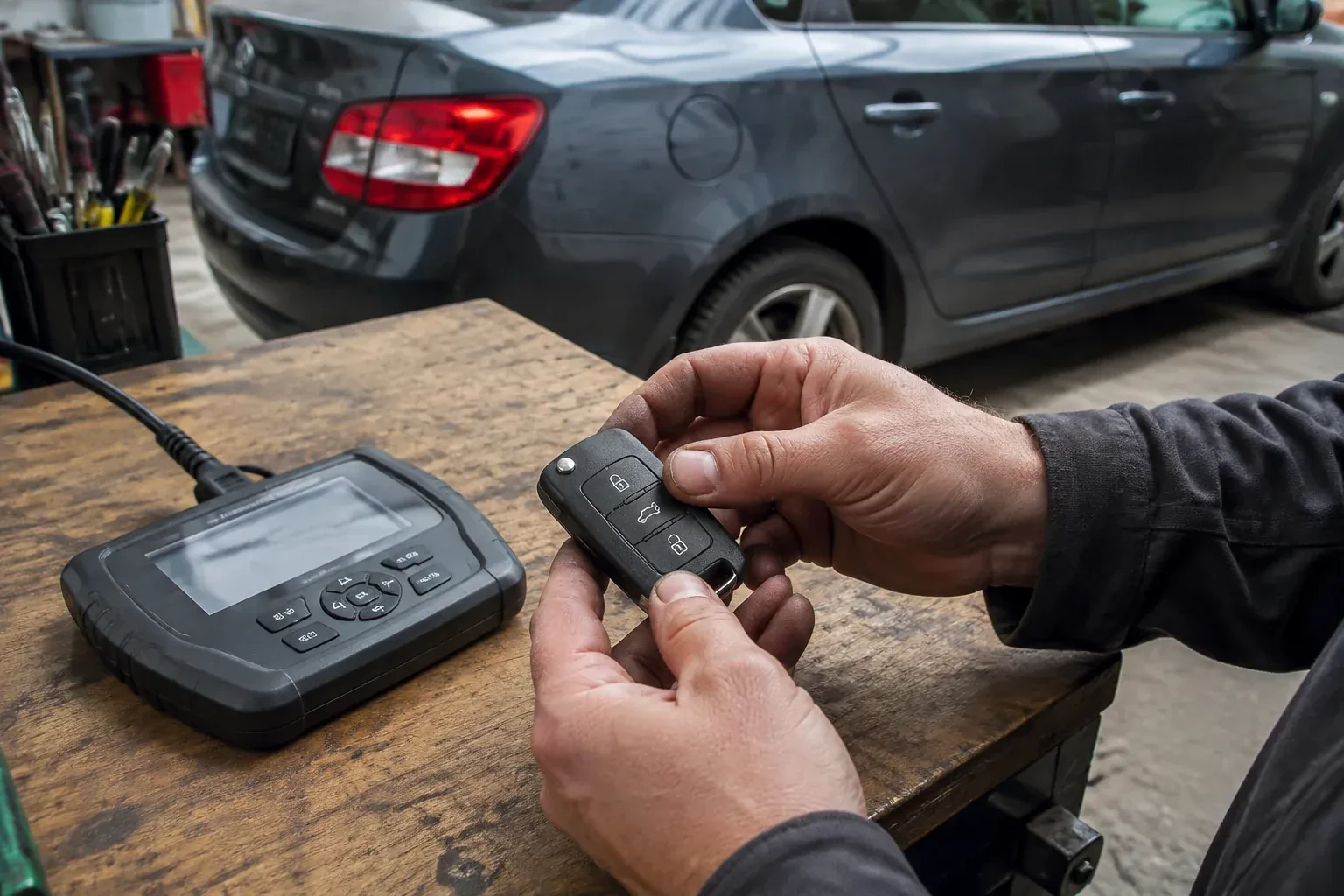
A diagnostic tool connects to the vehicle before any new information goes into it, and the current key list is read first so nothing already stored is disturbed by accident. This step also confirms the exact immobilizer and chip generation in front of the locksmith, since guessing wrong at this stage wastes an attempt on a system that will simply reject it. Only once the vehicle's own data is understood does the visit move toward adding, clearing, or replacing an entry in that list.
Leaving with a full set of working keys
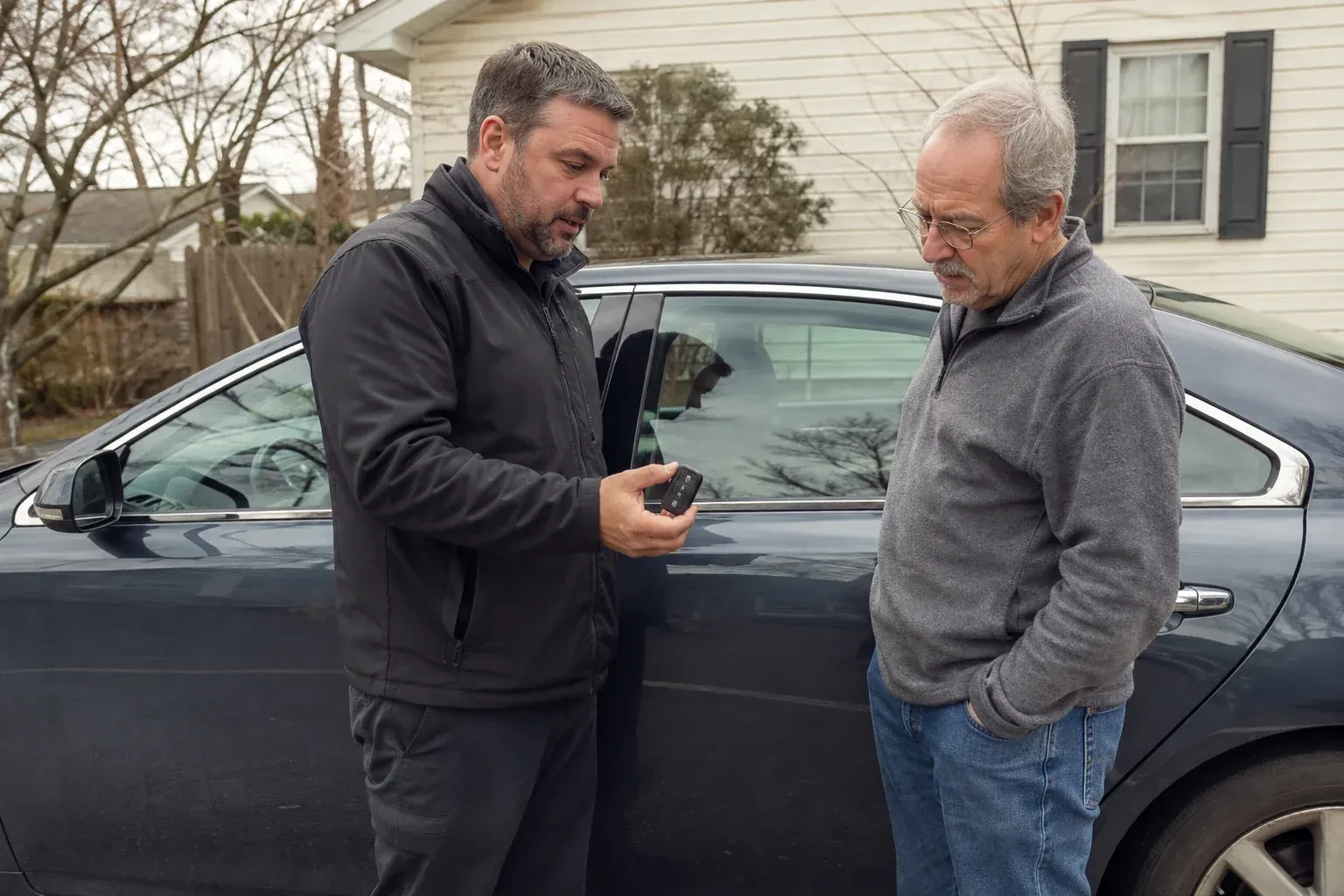
The visit ends with every key that should work actually tested in the driver's own hands: the new one, and any older ones that were meant to keep working. Remote functions, if the vehicle has them, are checked at a normal distance, and the emergency insert on a proximity fob is pointed out rather than left for the owner to discover later. Nothing is assumed finished on the strength of a screen reporting success; the engine and the fob both had to prove it directly.
Transponder Key Programming
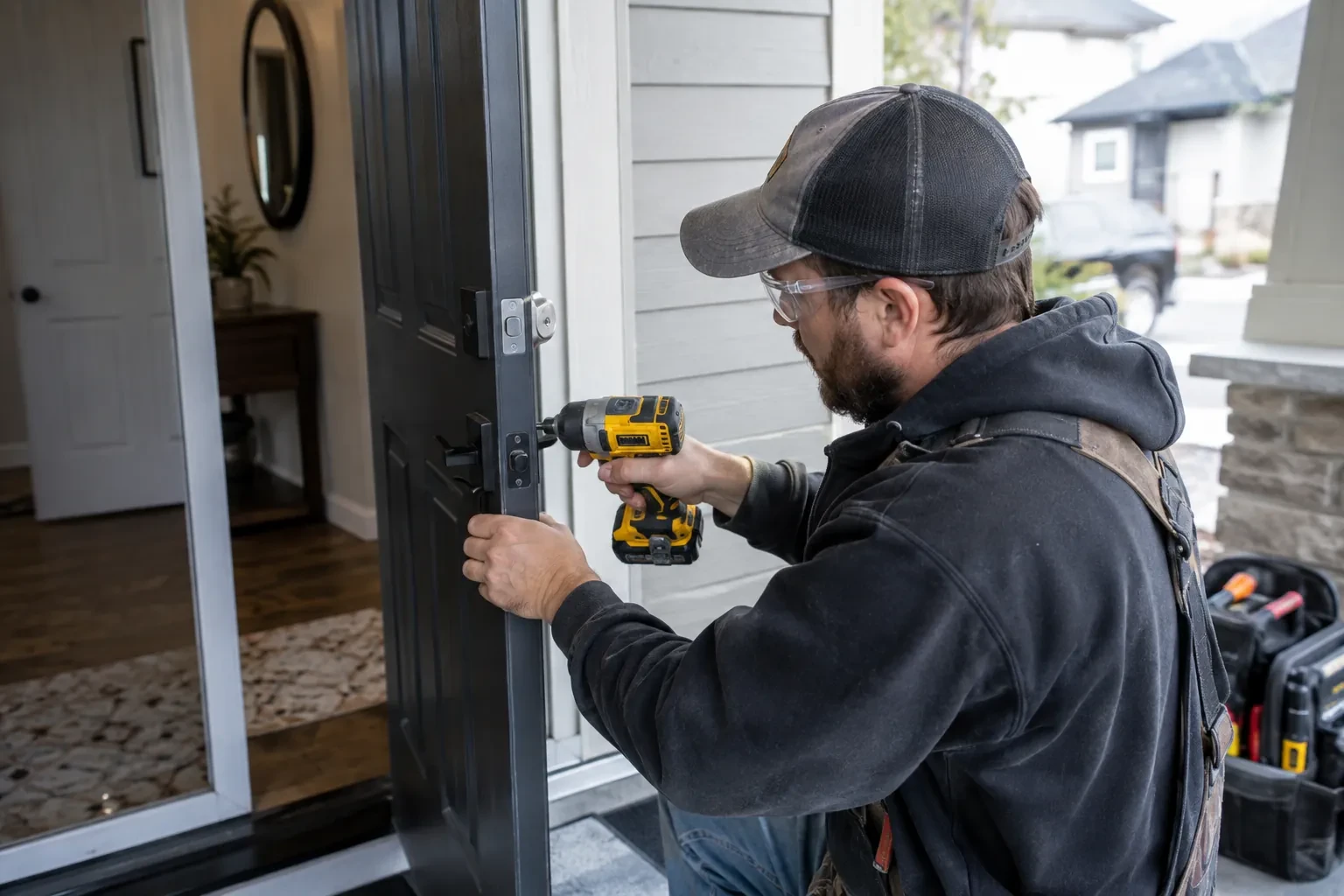
In the van
Frequency test reader
Replacement remote-head fob
Fob battery
Key cutting machine
Diagnostic laptop or tablet
Transponder Key Programming
What affects the quote
Any extra function added to the new key
Pairing remote entry, trunk release, or proximity walk-up functions onto a new key is additional work beyond the immobilizer chip alone, and each function is confirmed working before the visit is considered finished.
Type of key: blade, remote-head or proximity
A basic transponder blade, a remote-head key with buttons, and a push-button proximity key each involve a different amount of pairing beyond the immobilizer chip itself, which affects both the parts involved and the time the visit takes.
Number of vehicles involved in one visit
A household with more than one vehicle needing keys programmed in the same visit is a longer job than a single vehicle, even where the vehicles share a similar system, since each one is read and written separately.
What to have ready
- Was a spare ever cut without being programmed?
- Is the dashboard security light flashing or staying lit?
- Do you have photo identification available?
Transponder Key Programming: questions
QuestionsDoes cold weather affect a key or its fob?
The metal blade and the passive chip inside it are not affected by cold. The fob's battery is a different story: cold weather reduces a battery's effective output, which can turn a marginally weak battery into one that suddenly stops responding on a cold morning. Testing a fob's battery before winter sets in catches this early.
How do I know if this is a key problem rather than something else?
The clearest sign is the engine cranking normally, meaning the starter motor turns it over, but never catching, often alongside a flashing security light. A fuel or mechanical fault usually behaves differently, such as cranking slowly or making unusual noise. Describing exactly what happens when the key is turned helps the locksmith tell the two apart before arriving.
What happens if every key for my car is gone?
All-keys-lost work starts by re-establishing secure access to the vehicle's own immobilizer module, since there is no existing key left to vouch for a new one. Once that access is confirmed, a fresh key is cut and its chip is written into the vehicle the same way any key would be, and the visit finishes with the usual start-up test across a few ignition cycles.
Related services
- Car Key ReplacementYou bought the car privately and it came with a single key on a shoelace.
- Spare Car Key DuplicationThe proximity fob has ridden in a pocket for years, the range feels shorter than it used to, and a dashboard warning mentioned a battery a while back.
- Key Fob ProgrammingThe car changed hands last week, and the paperwork included exactly one fob for a household with two drivers.