Car keys · Maple
Motorcycle & Scooter Keys in Maple
The key turns half a rotation in the ignition, catches, then the blade lets go with a small snap.
In plain words
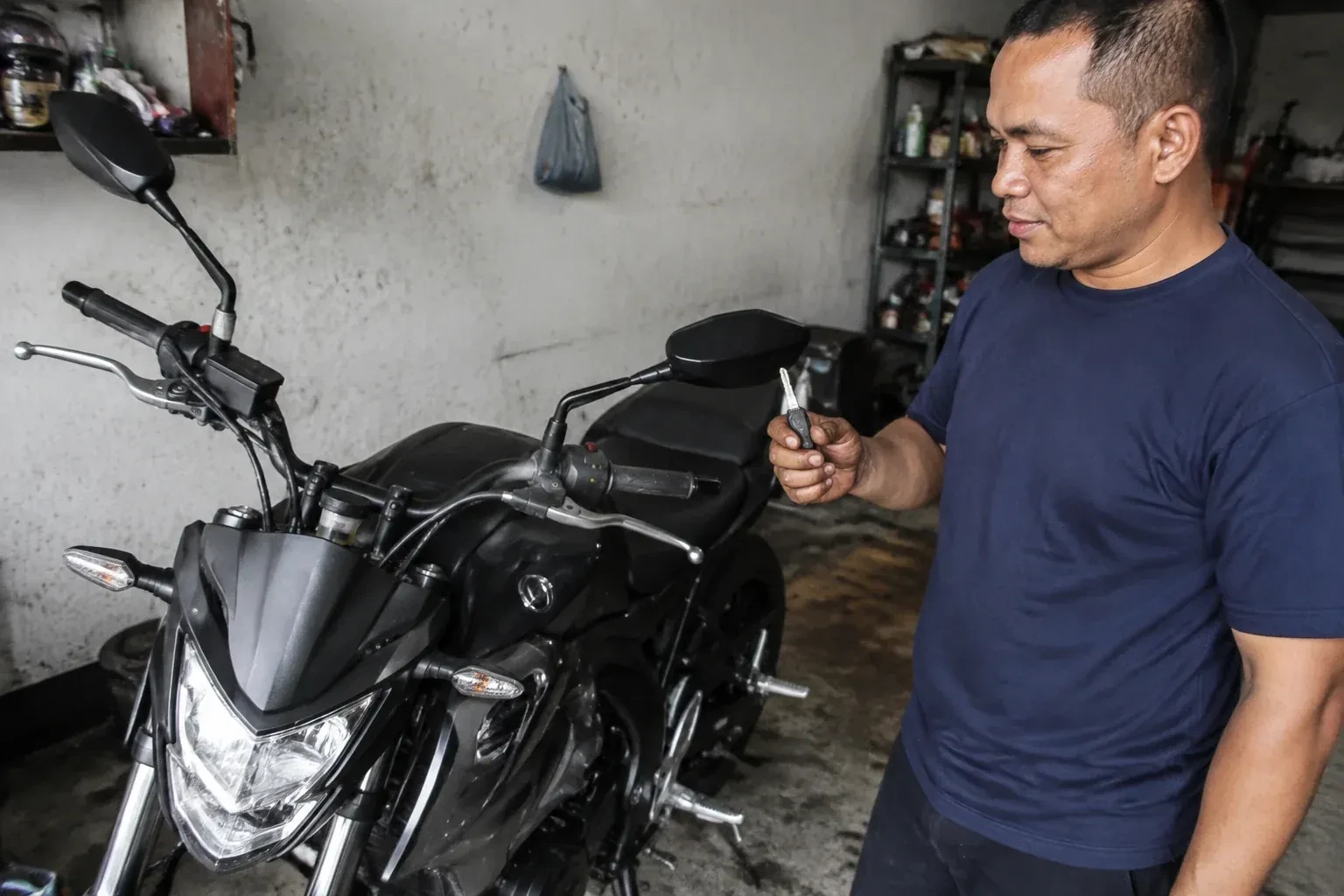
A motorcycle rarely has just one lock. The ignition and steering are usually paired, the seat has its own latch, and older machines add a keyed fuel cap, each of which may or may not share a cut with the others depending on how the factory keyed it. Key service starts by mapping which locks are on the machine and which of them the owner wants running from a single key, and bringing a seat or fuel-cap lock onto the ignition's cut is common where those cylinders are compatible and serviceable, though some models need a matched lock set instead.
How the visit goesThe key turns half a rotation in the ignition, catches, then the blade lets go with a small snap. The bow is still in your hand; the rest of it is somewhere inside a lock that now has nothing to grip.
Motorcycle & Scooter Keys
How the visit goes
Reading the lock family
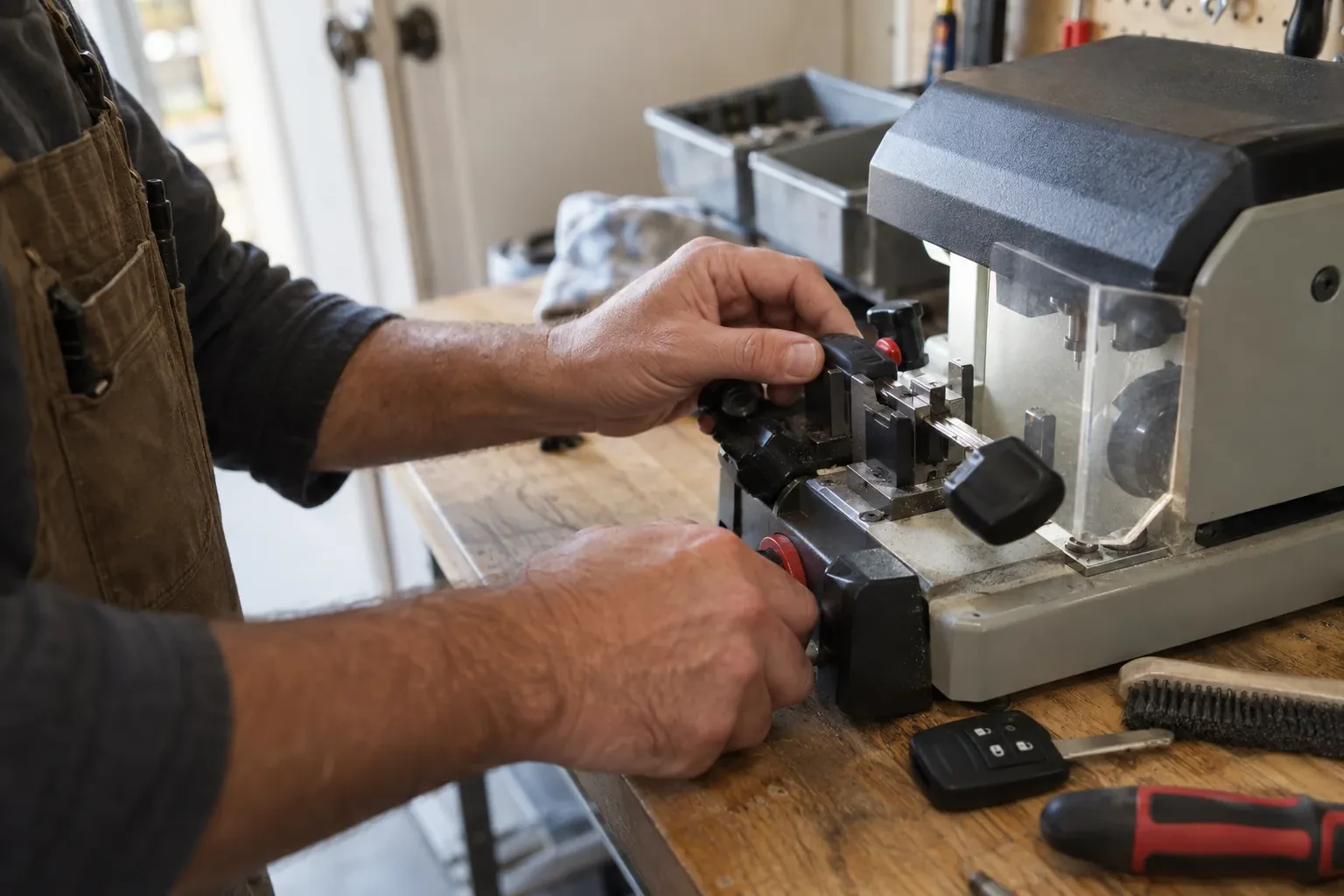
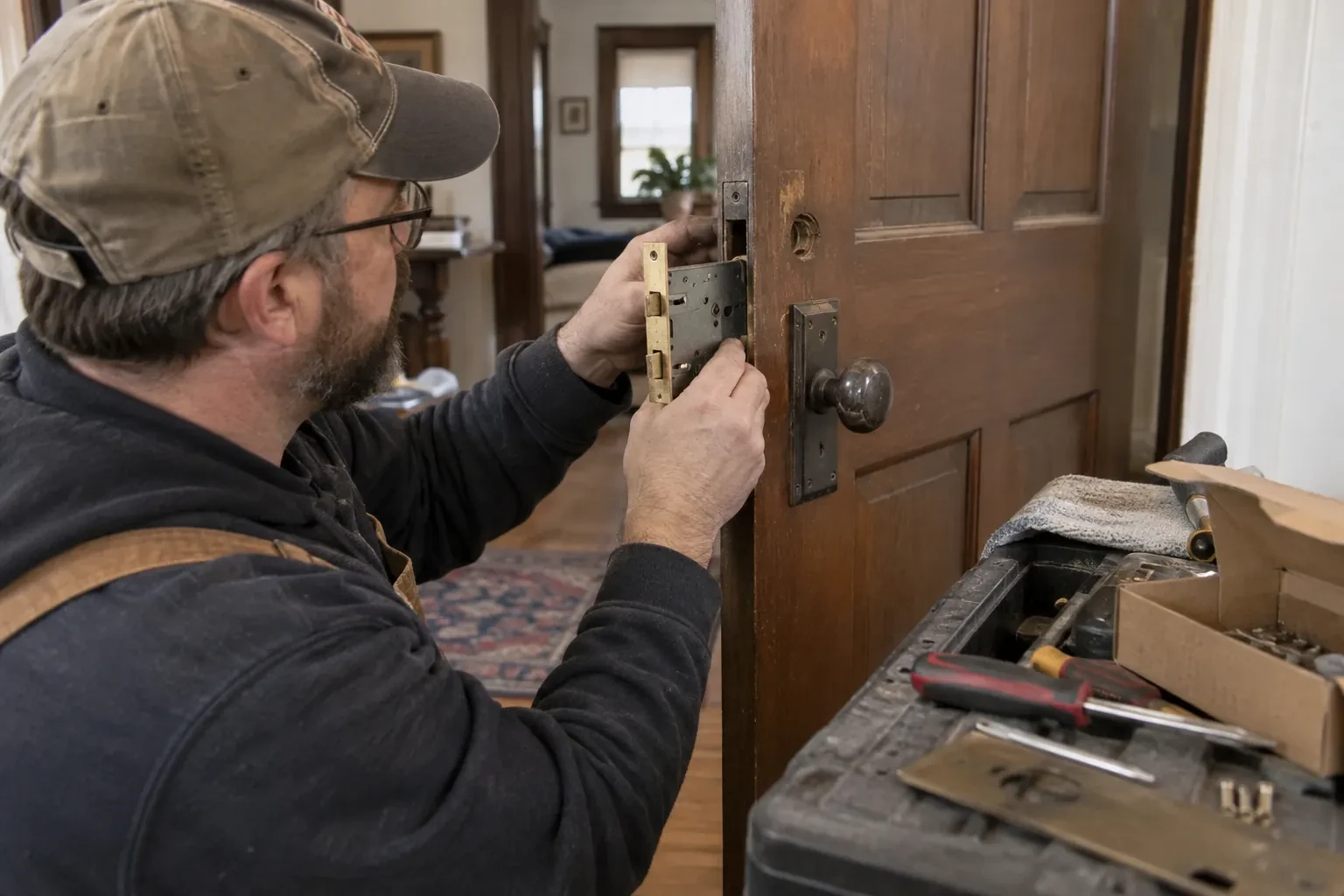
Every motorcycle lock has a shape and a history that tells the locksmith what they are working with. The keyway profile, the number of wafers, whether the plug is single- or double-sided, and any maker's mark on the lock face narrow down which key blank and which cutting code apply. Manufacturers reuse wafer counts across very different keyway profiles, so a lock that looks similar to another model can still refuse a blank cut for it. Identifying the lock correctly before cutting anything is what keeps the first key made for the machine the right one.
Testing before handover
Every finished key is tested on the actual machine before the visit ends, not just checked against a code on paper. That means turning the steering lock through its full range, opening the seat and fuel cap if they are on the same key, and starting the engine to confirm any transponder is recognised. Only once all of that behaves consistently, more than once, does the locksmith consider the key set complete. Any code or reference used to cut the key is left with the owner or noted for their records, so a future spare does not have to start from nothing.
Getting through the next storage season
Heading into a season of outdoor storage, a lock that has just been cleaned and lubricated is in a better position to start the next season the same way it ended this one. A light coat of corrosion inhibitor on an exposed lock face, a cover that keeps direct weather off the ignition and seat area, and keeping the machine somewhere it is not standing in meltwater all help the same mechanism that was just serviced stay free through the months it sits unused. None of this takes long, but it is easy to skip until a stiff lock brings it back to mind.
Motorcycle & Scooter Keys
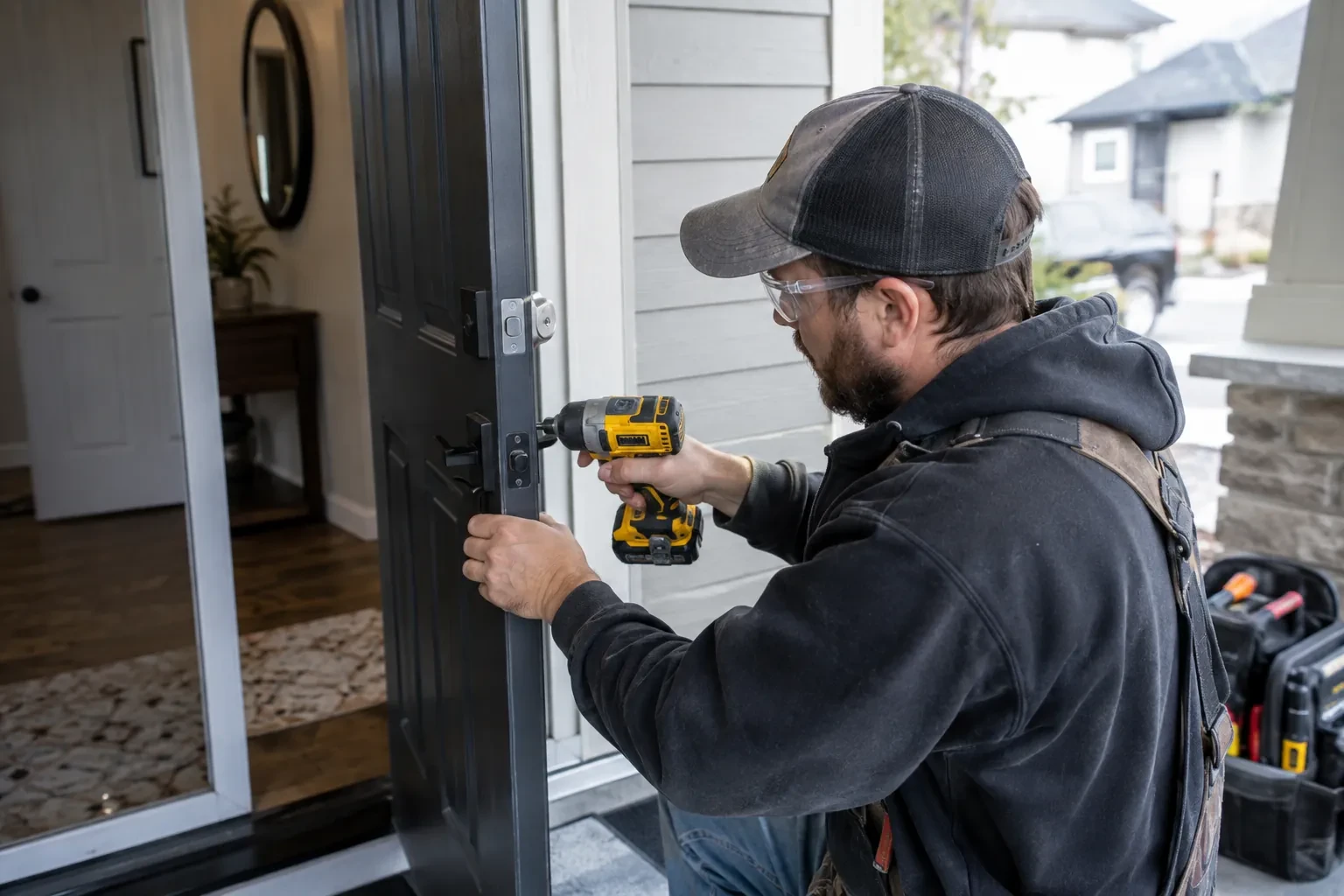
In the van
Replacement transponder chips
Transponder programming unit
Motorcycle key blanks
Replacement ignition or steering lock
Code-cutting machine
Motorcycle & Scooter Keys
What affects the quote
Make, model and age of the machine
Make, model and age decide how common the keyway and blank are. A widely used platform is usually the more straightforward case; an uncommon or older machine can take longer to source parts for.
Time spent decoding a lock
Decoding a lock with no key at all, reading every wafer individually, takes longer than copying from an existing key, and that additional time is part of what the quote reflects.
Distance to the machine's location
Distance to wherever the machine is kept, whether a driveway across town or a more remote property, is part of every call, and travel time is reflected alongside the key work itself.
What to have ready
- Is the steering lock turning freely, or does it feel stuck?
- Where is the machine currently kept?
- What is the make, model and year of the machine?
Motorcycle & Scooter Keys: questions
QuestionsMy steering lock seized up over winter storage. Can that be fixed without a whole new lock?
Usually, yes. The cleaning method the lock's own maker directs, along with gentle, repeated working of the mechanism, frees many steering locks that have simply seized from disuse or corrosion, without needing to force the key or replace the lock. Only a lock that is cracked, badly rusted internally, or damaged by an earlier forced attempt tends to need full replacement rather than freeing and lubricating.
Could a key from one motorcycle ever accidentally open a different one?
It is uncommon but not impossible, since wafer locks have a limited number of combinations and manufacturers reuse keyway profiles across models. This is one reason manufacturers space their depth increments further apart than the lock's tolerances strictly require, to cut down on accidental matches. It is also why a locksmith reads the specific lock in front of them rather than assuming a key that looks similar will behave the same way.
What is a good way to keep a spare key safe?
Somewhere away from the machine itself is the main principle: not under the seat, in a saddlebag, or taped inside a compartment, since those are the first places anyone checks. A drawer at home, a family member's keyring, or a small lockbox mounted separately all work. Testing the spare on the actual lock before relying on it confirms it will do the job the one time it is needed.
Related services
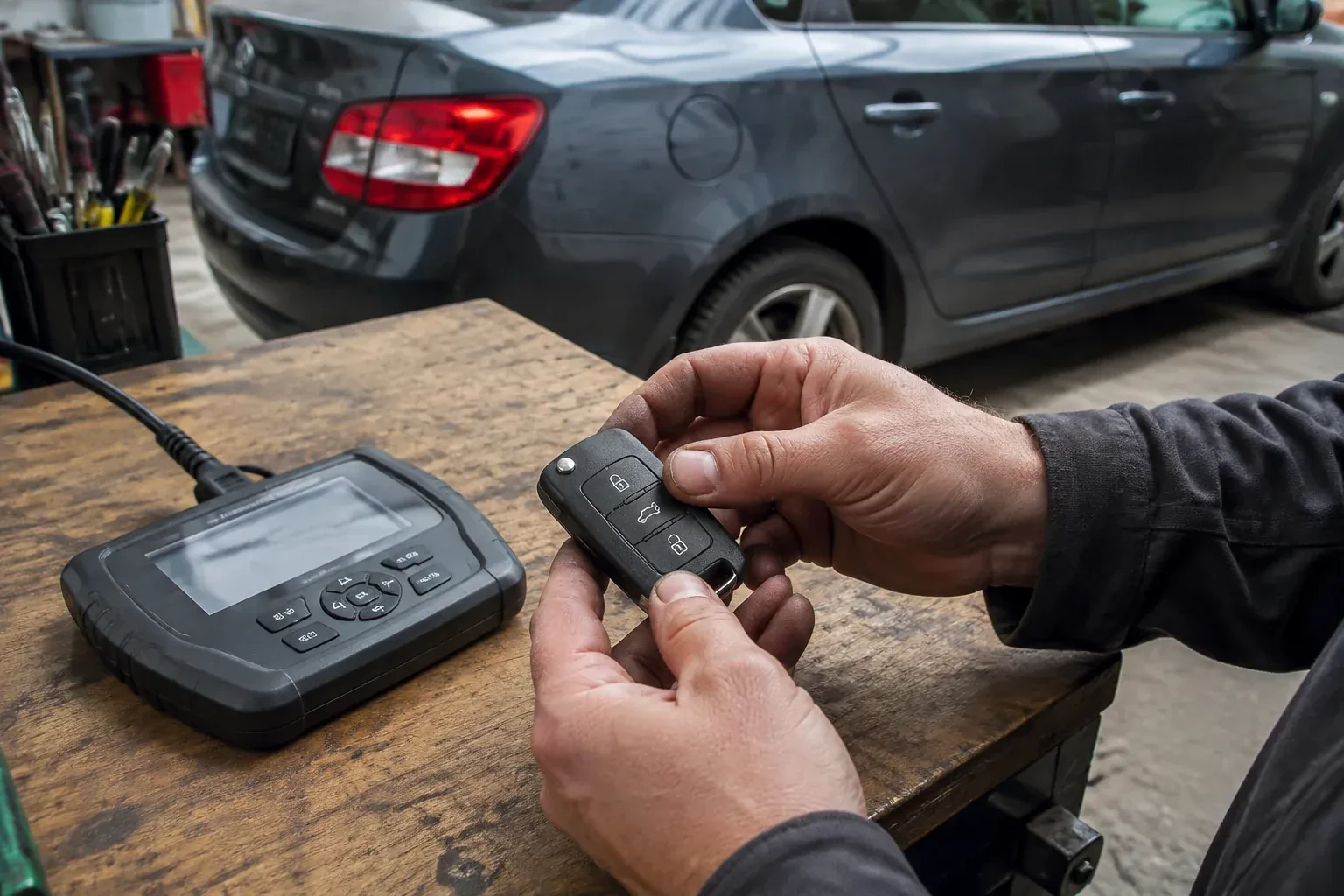
- Car Key ReplacementYou bought the car privately and it came with a single key on a shoelace.
- Spare Car Key DuplicationThe proximity fob has ridden in a pocket for years, the range feels shorter than it used to, and a dashboard warning mentioned a battery a while back.
- Key Fob ProgrammingThe car changed hands last week, and the paperwork included exactly one fob for a household with two drivers.