Lockouts · Edgeley
Broken Key Extraction in Edgeley
The padlock on the shed has been stiff all summer.
In plain words
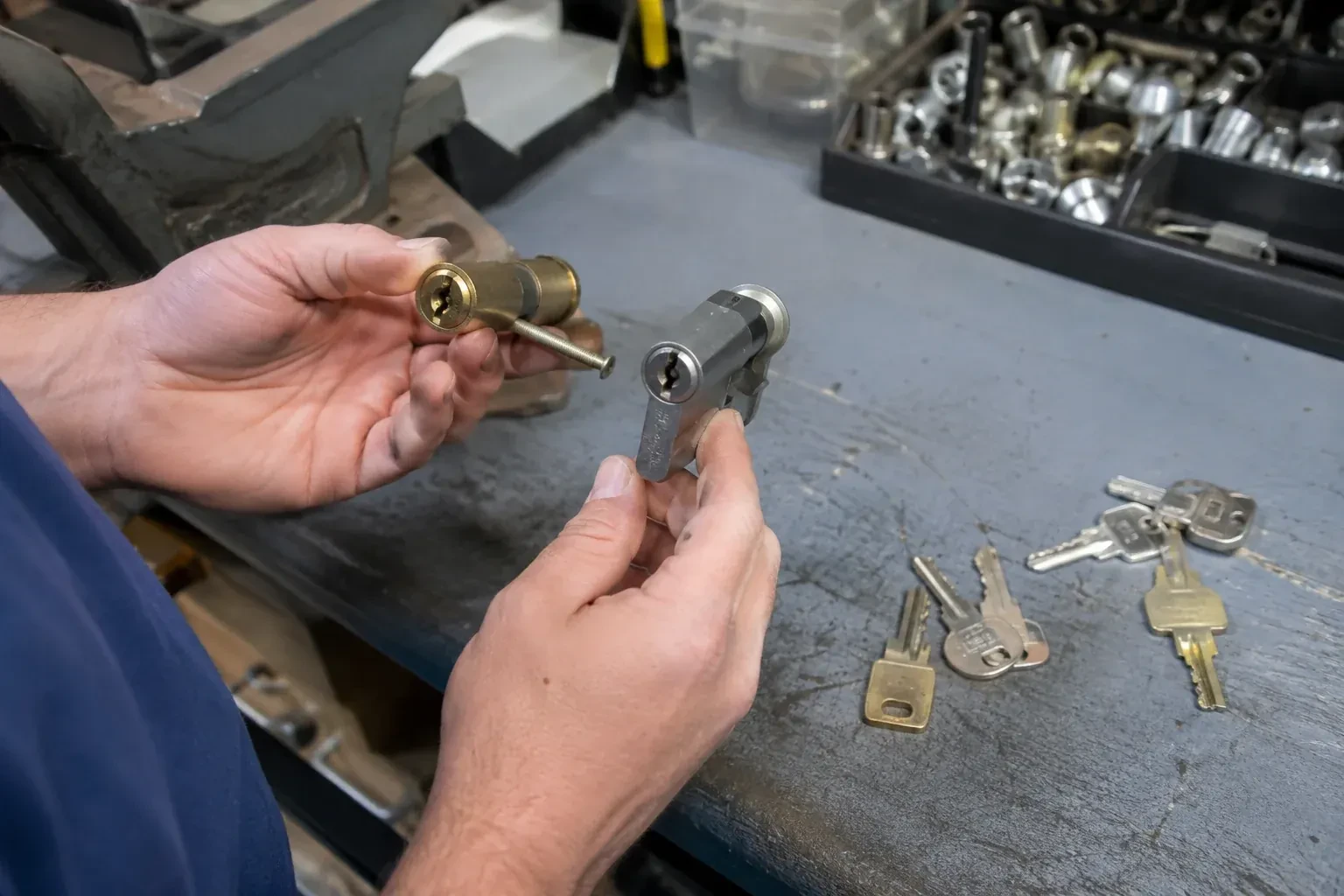
The tools are simple and precise. A hook extractor is a thin strip of spring steel with a barb at the tip; it slides along the groove of the keyway above or below the fragment, snags one of the cuts, and walks it out. A spiral extractor works like a tiny screw, threading into the ridges of the cuts and gripping as it turns. Fine-tipped extractor pliers handle a piece that shows above the face. A tension tool brings a turned plug back to rest. None of these push inward, which is the whole point: the piece comes out the way it went in and the cylinder stays whole.
How the visit goesA roommate tried to help with tweezers, then by gluing the other half to it. The fragment is now further in than it started, there is dried glue around the keyway, and the front door still does not open.
Broken Key Extraction
How the visit goes
How the piece is sitting
The first look is at the fragment itself, without touching it. Does any of the blade show above the cylinder face, or is it flush or deeper still? Is the plug sitting at its normal rest position, or did it stop partway round when the key gave way? A protruding piece in a resting plug is the simplest case. A fragment past the shear line in a rotated plug means the pins are holding it, and the plug has to be brought back before anything will slide. Reading this correctly decides which extractor comes out of the case and spares the keyway from needless probing.
Cutting the key you leave with
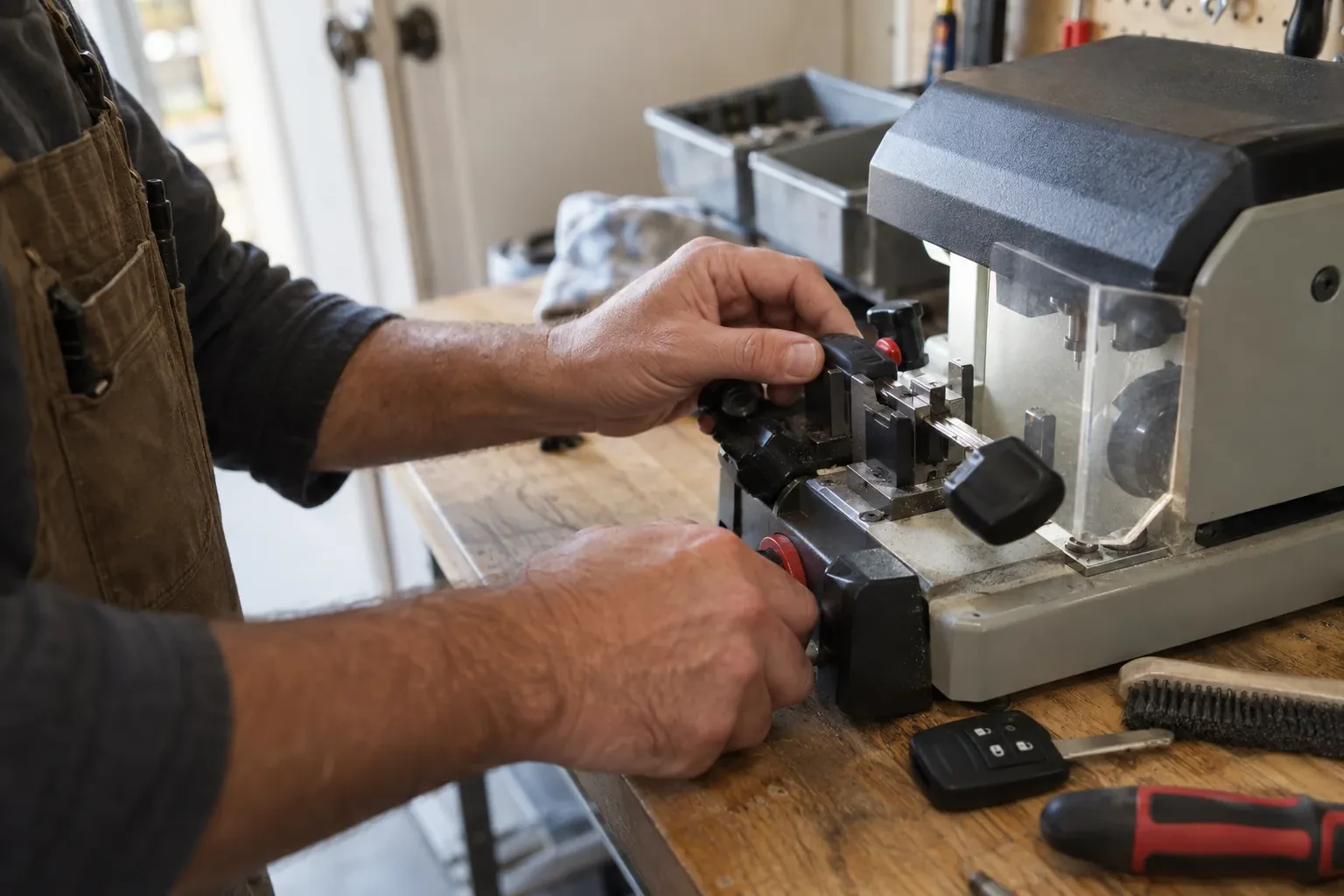
Once the lock is clear, a replacement key is made. The two halves of the broken key are laid together and the cuts are read with a key gauge, or the locksmith cuts from the key code if you have the tag or the lock's records, or from a crisp spare. What is avoided is copying a worn original, because a duplicate inherits every rounded cut and will stick and wear the same way. The new key is cut on a code machine, tried in the lock with the door open, then closed, and from both sides. Extra copies are cut from the new key while the machine is set.
Habits for the freezing months
A winter break leaves you with a dried, lubricated cylinder and one rule: when the key stops partway, you stop too. Carry a small lock de-icer in a coat pocket or the glovebox; a few seconds of it, or the warmth of a cupped hand on the cylinder, frees a frozen plug without asking anything of the blade. Shut the storm door before freezing rain, and fit a keyhole cover on a side door that catches meltwater during a thaw. Ice is one of the winter causes the locksmith sees often, alongside worn keys, misalignment and dirty or worn cylinders, and it is one of the easiest to prevent.
Broken Key Extraction
In the van
Hook key extractors
Fine-jawed extractor pliers
Key blanks and code cutter
Plug follower and cap tool
Manufacturer-approved cylinder lubricant
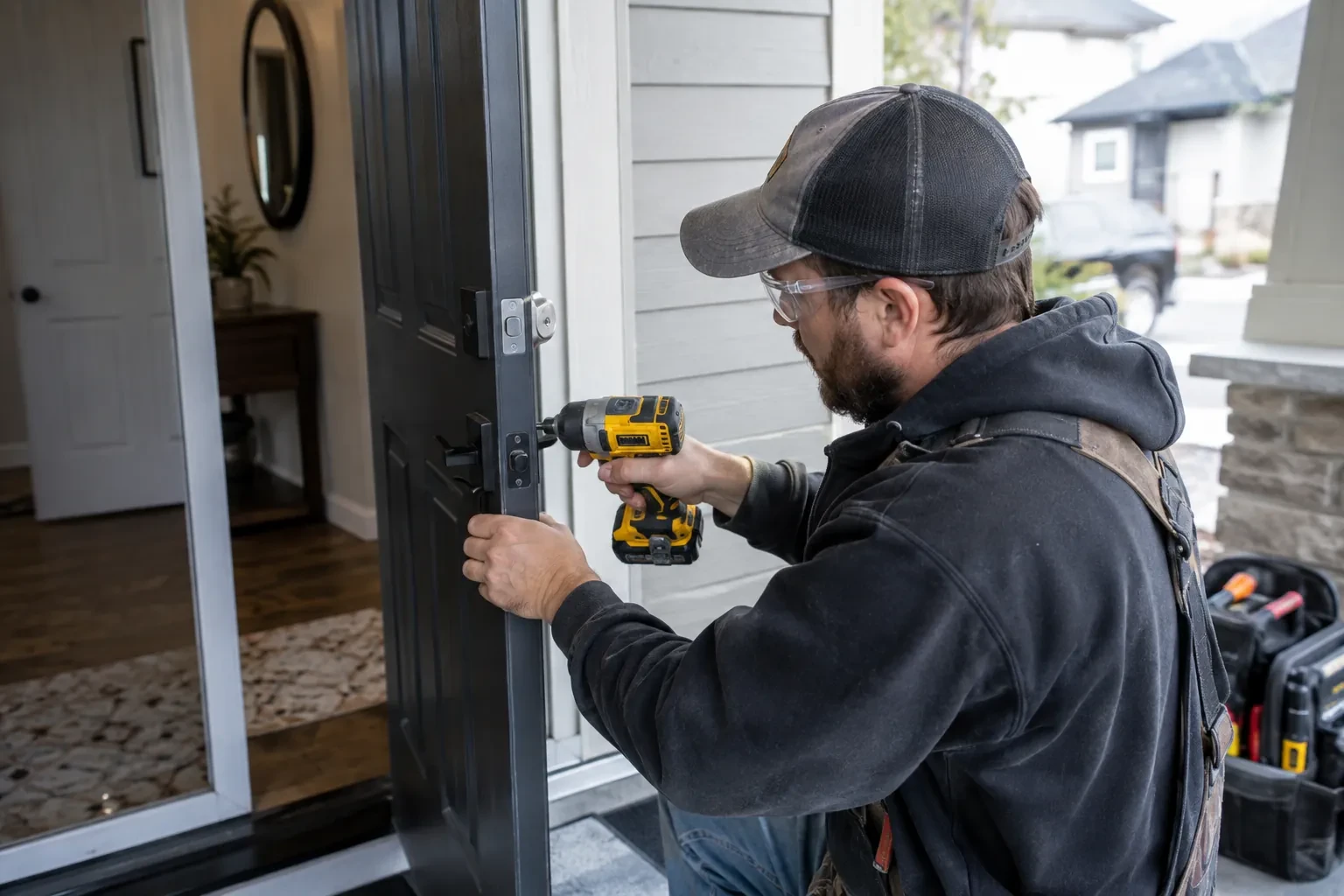
Broken Key Extraction
What affects the quote
Drilling and a replacement cylinder
On the rare occasion a cylinder must be sacrificed, the price includes the new cylinder or complete deadbolt plus fitting it, and that is agreed with you before the drill is picked up.
Weather on the day
A cylinder that is frozen or iced has to be thawed and dried before extraction can begin, so a call during a deep freeze carries that patient extra time.
When you call
Whatever hour you call about a broken key extraction — morning, evening, a weekend or a holiday — the amount is the same. Locksmiths are reachable at any time, and the exact figure is confirmed on site once the technician has seen how deep the fragment sits.
What to have ready
- Did the key turn part of the way before it snapped?
- Was the lock frozen or the door swollen when it happened?
- Where did the key break: a house door, a padlock, a car door or an ignition?
Broken Key Extraction: questions
QuestionsWhat proof do I need to show?
Photo identification and something that connects you to the lock. For a house or apartment that is a lease, a bill, addressed post, or confirmation from the property manager; for a business, your role there; for a vehicle, the registration or ownership papers with matching identification. If the documents are inside, say so on the phone and the check is completed once the door is open.
Is a broken key a sign the whole lock is worn out?
Sometimes, and the visit answers it. A key that failed from its own fatigue in a clean, smooth cylinder says nothing against the lock. A key that broke because the pins were worn flat, the cap had loosened or the keyway was full of grit says the cylinder needs a service or a rekey. One that broke in a corroded, pitted plug is telling you the lock is due for replacement.
Can a new key be made from the two broken halves?
Usually. Laid end to end, the halves show the full set of cuts and identify the blank, and a locksmith reads them with a gauge and cuts a fresh key to those depths on a code machine. That is better than tracing the broken blade on a duplicator, because a worn key copied is a worn key repeated. If a spare or the key code exists, that is used instead.
Related services
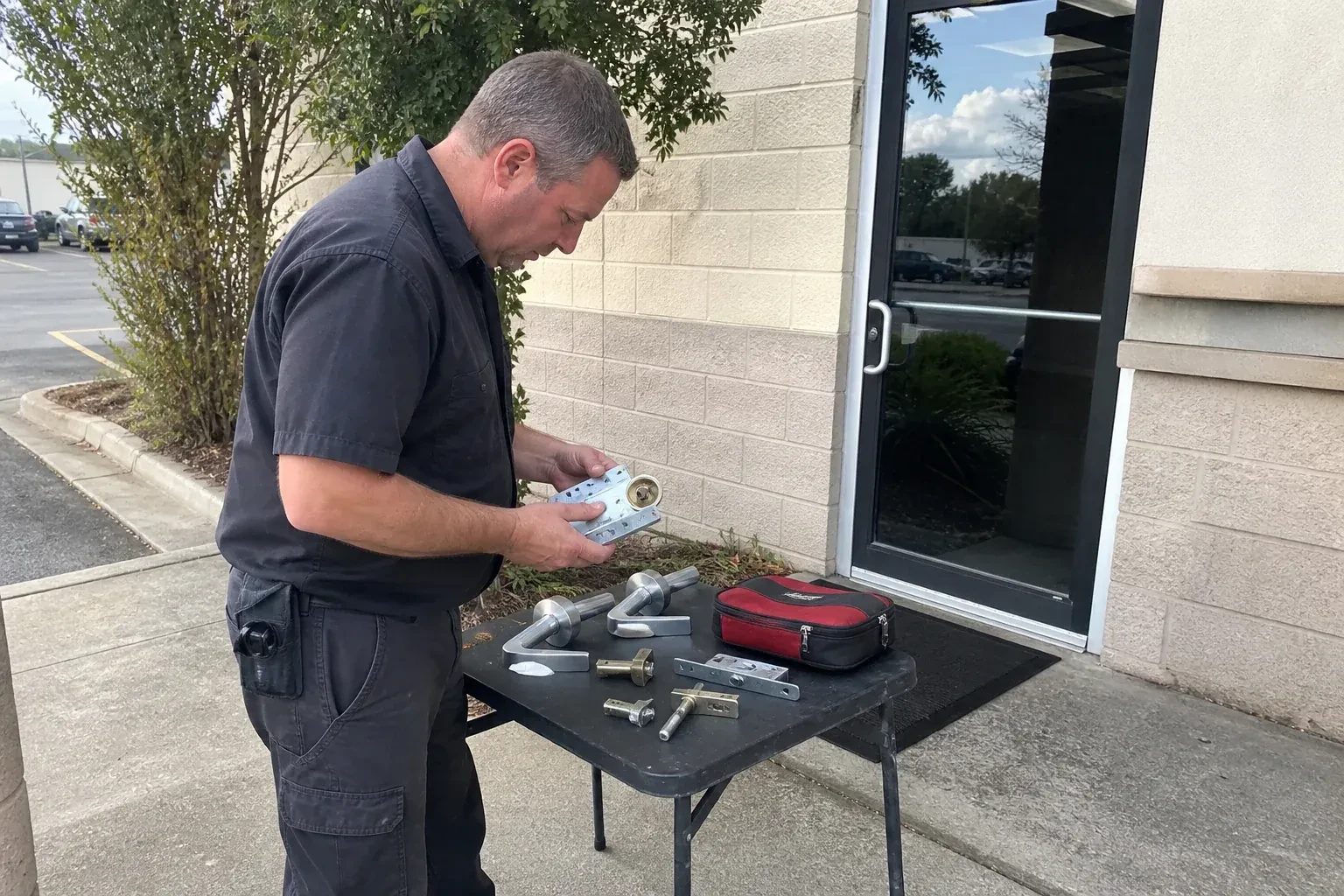
- Business Lockout ServiceAfter last night's power flicker the card reader beside the clinic door shows nothing.
- Break-In Damage Lock RepairPolice have come and gone, the occurrence number is on a sticky note, and you are standing in a cold hallway looking at a splintered frame, wondering how the house gets locked before everyone tries to sleep.
- Seized & Jammed Lock OpeningThe lock works, but only if you lean on the door with your hip while turning the key.